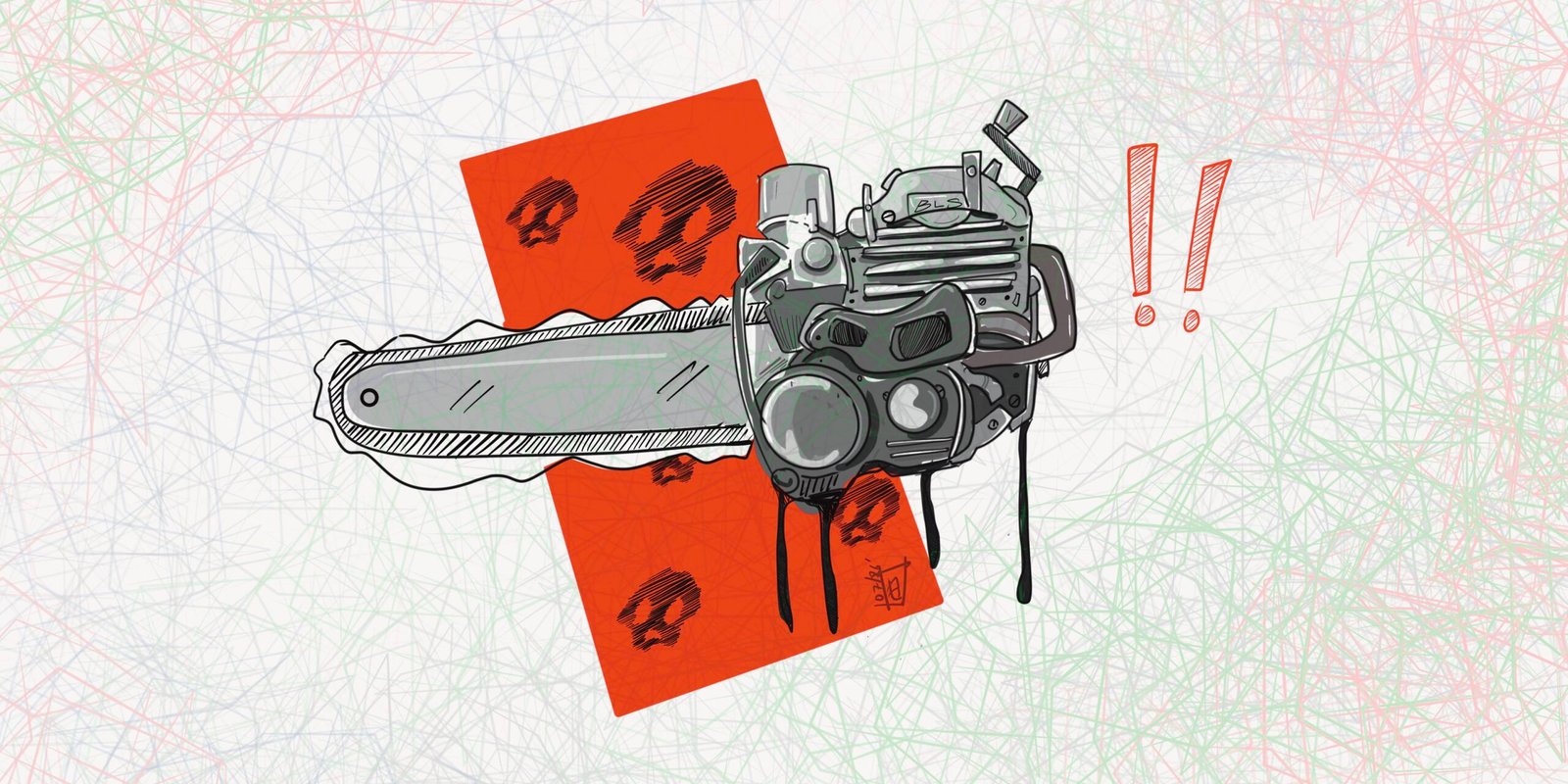
There is a particular kind of creative person who refuses to be tidy about what they love. Paul David is one of them. Known online as thecringerbreadman, the Chennai-based concept artist, illustrator, musician, and relentless world-builder has spent years letting his obsessions bleed freely into one another: dragons into lyrics, model kits into digital creatures, fantasy lore into alternative metal. On paper, the combination reads like several different careers stacked on top of each other. In practice, it is something considerably more coherent than that.
“I’d want them to understand I’m unapologetically whimsical about the things I enjoy, and I think everyone should be too.”
That line arrives early in conversation with Paul, and it sets the tone for everything that follows. His username, thecringerbreadman, is not self-deprecation. It is a statement of intent. To be “cringe” — genuinely, unguardedly enthusiastic about the things that light you up, whether those things are the lore of Warhammer 40K, the mechanical architecture of a Gundam kit, or the emotional texture of a fantasy world no one else has heard of yet — is, in Paul’s philosophy, a form of freedom.
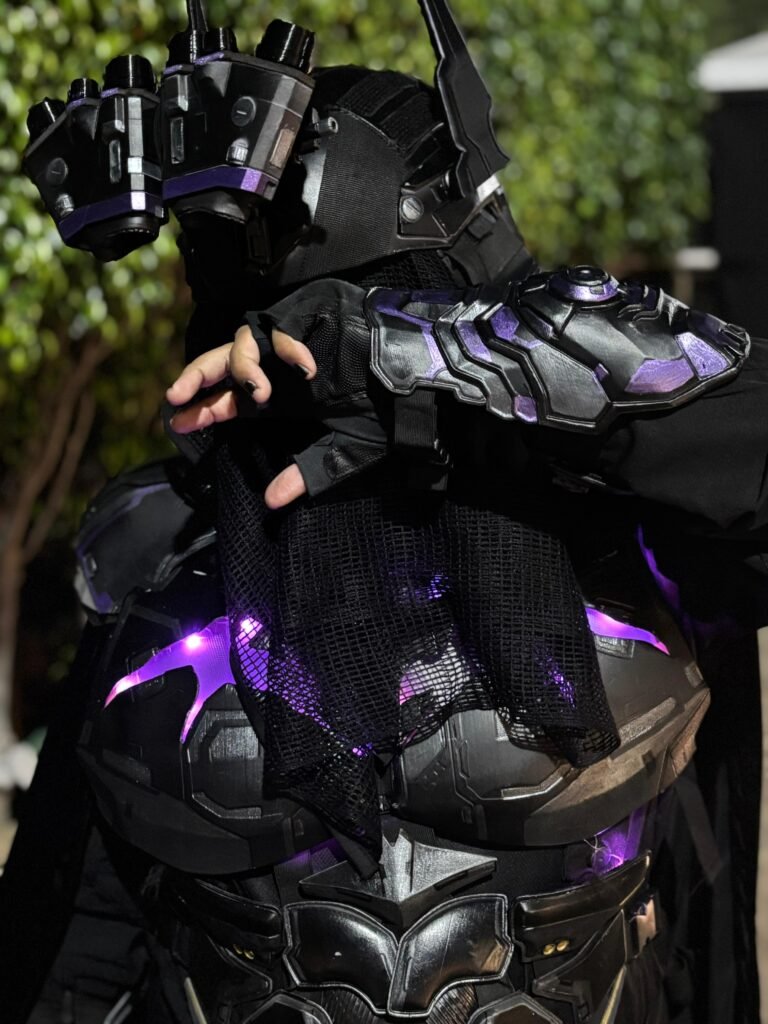
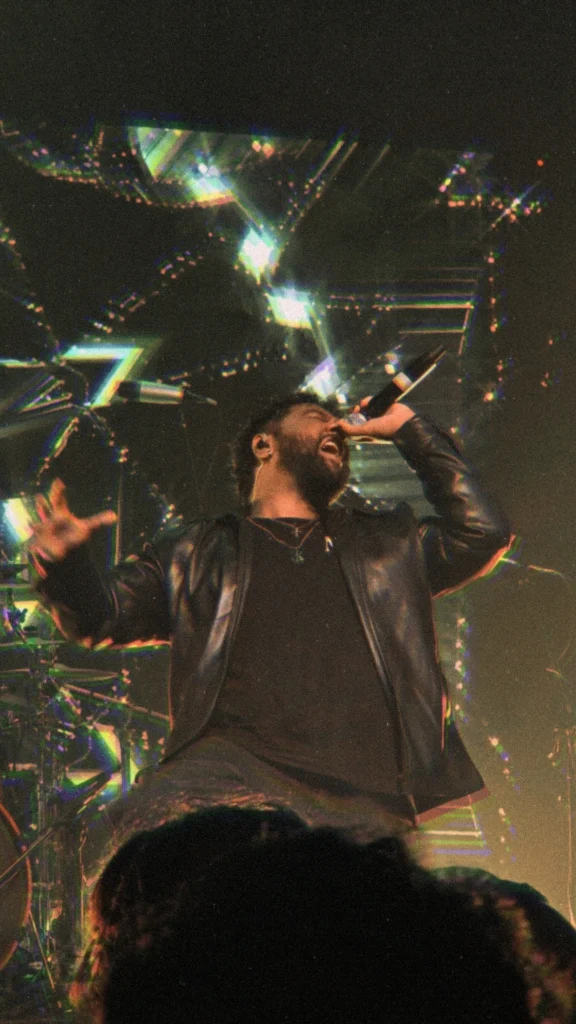
“To be cringe is to be free.”
Beneath the playfulness of that phrase sits a genuinely disciplined artist. Paul makes art almost every day, not just the polished concept work that surfaces on his feed, but the quieter, foundational kind: fundamentals, sketches, studies. “I still practice fundamentals or make simple sketches / art pieces nearly everyday aside from work,” he says. “It’s important to help keep your skills maintained at a certain level and constantly improve.” The whimsy is real. So is the work ethic behind it.
One Obsession, Many Mediums
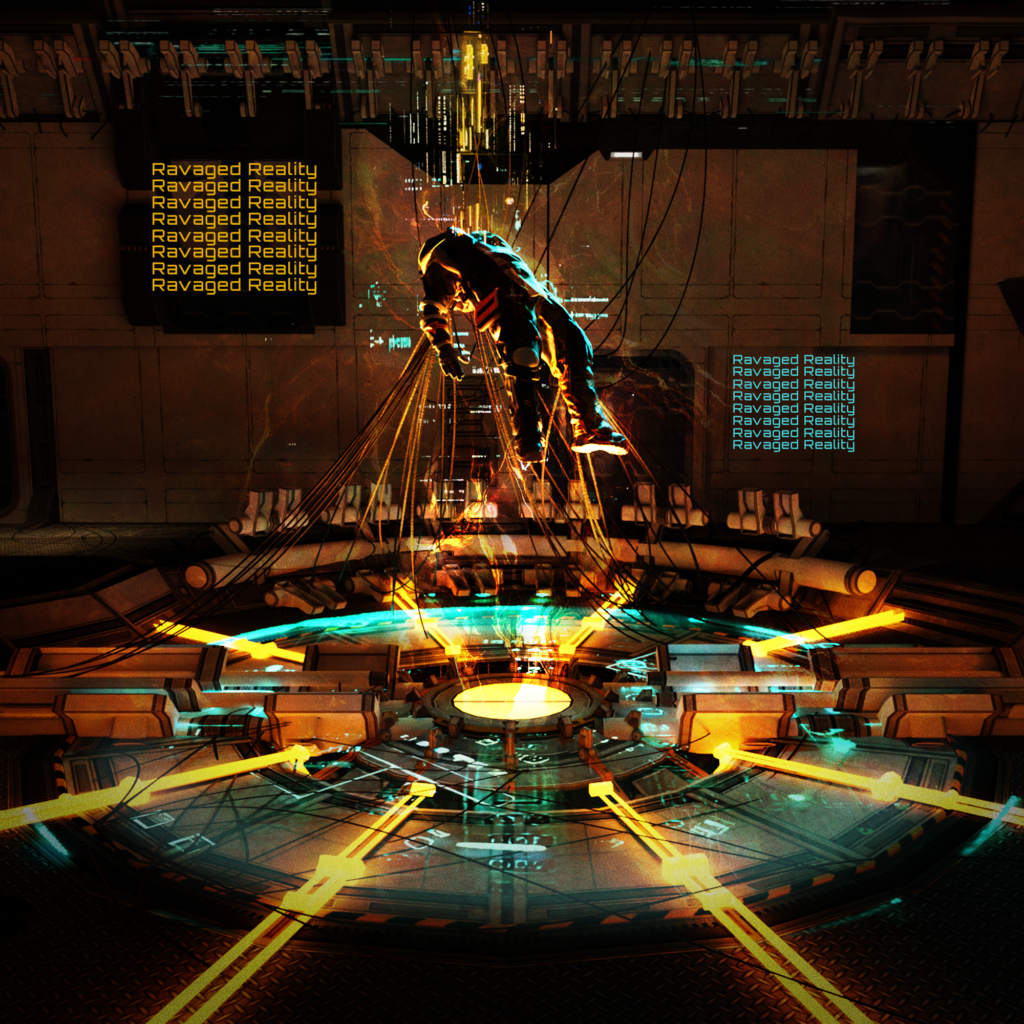
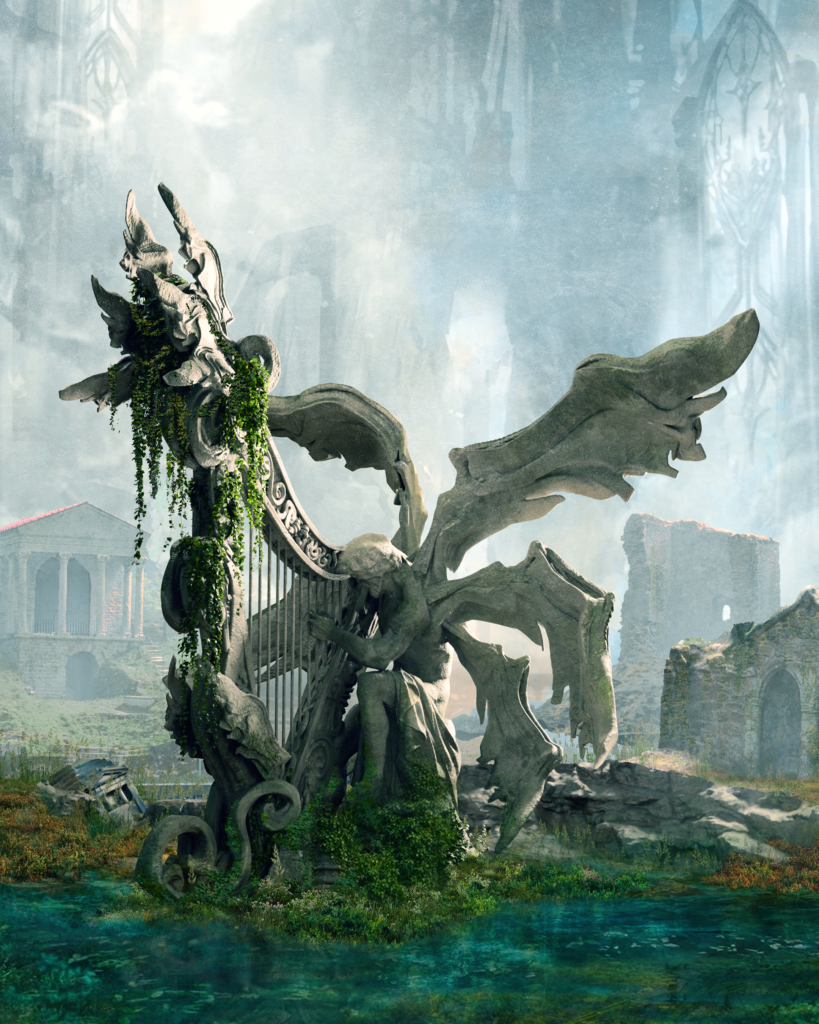
What makes Paul’s practice difficult to summarise in a single sentence is that it genuinely spans multiple disciplines: concept art, illustration, music, cosplay, physical model-building, and visual development for a band. But spending time with him makes it clear that he does not experience these as separate pursuits. They are different surfaces of the same object.
Storytelling is the connective tissue. Everything Paul creates, regardless of the medium it occupies, is ultimately an attempt to construct a world and make it feel real to someone else.
“They often go hand in hand for me personally.”
An idea, for Paul, does not stay contained. A visual concept might unlock a lyrical direction. A piece of lore might inform the silhouette of a creature design. A mood board for a song might suggest an environmental palette that feeds back into his personal illustration work. The disciplines circulate rather than compete.
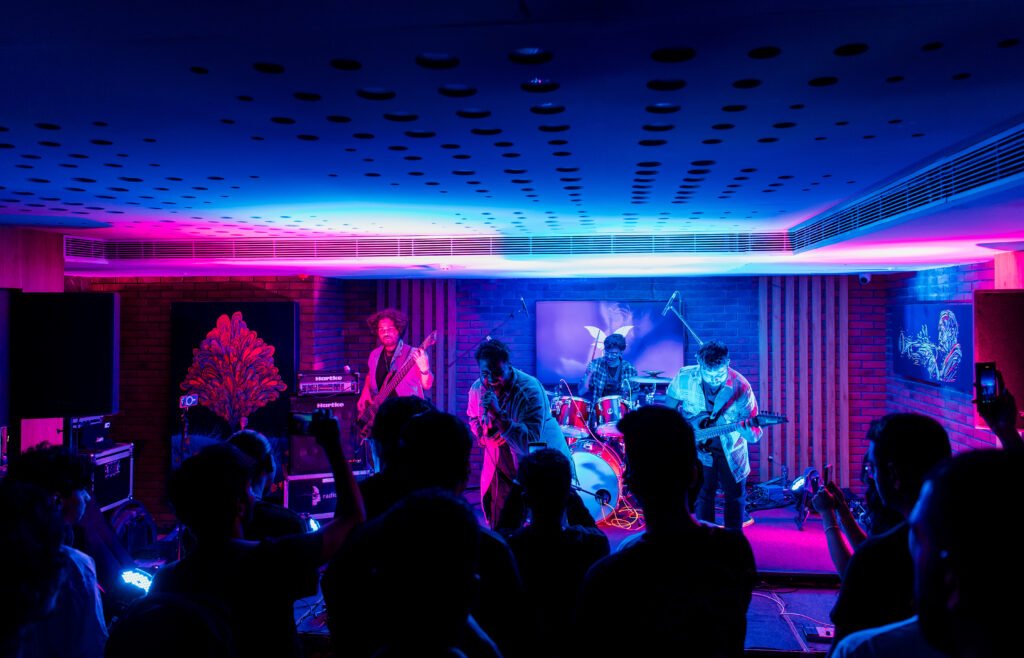
“It helps to create moodboards, sketches and simple blockouts to conceptualize the vibe, themes, and what characters, the environments, etc would look like. This in turn helps inspire even more lyrics and where the song could go.”
This is not accidental cross-pollination. It is how Paul’s creative process is structured at its core.
When The Image Writes The Song
Paul handles both vocals and visuals for thevoidwecreate, the alternative metal band he is part of. That dual role is not incidental. It is the reason the band’s creative process works the way it does.
For most bands, music arrives first and visual identity gets constructed around it afterwards. Paul’s approach collapses that sequence entirely. Lyrics and imagery develop alongside each other, each shaping the direction of the other in ways that would be difficult to achieve if they were handed off to separate people working in sequence.
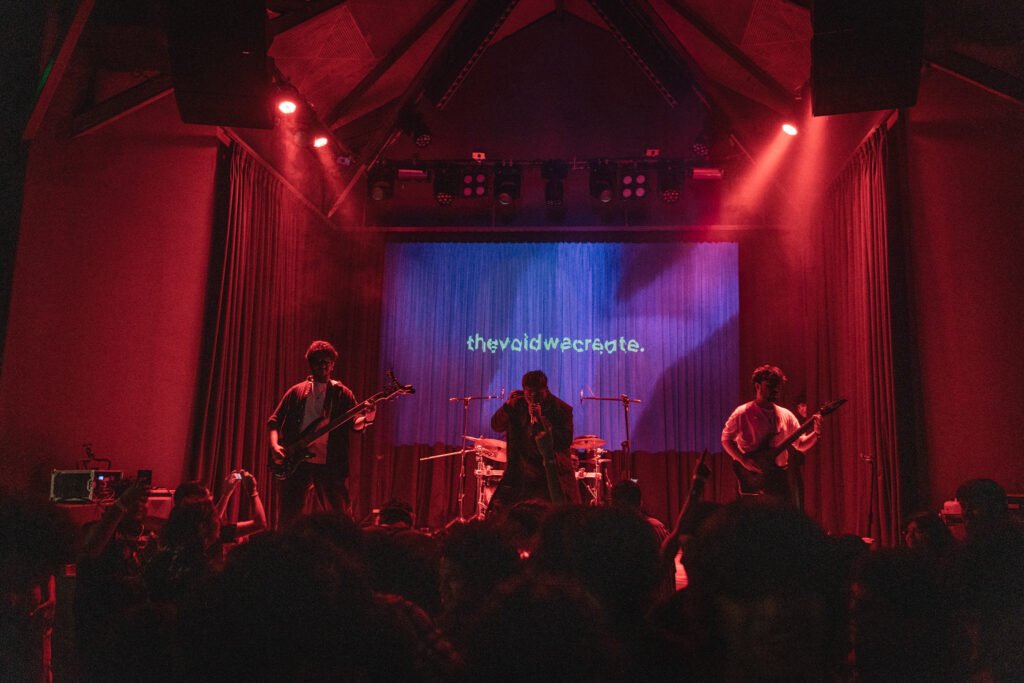
“Everything we write for tvwc is deeply personal to me. As mentioned earlier, the lyrics and vocals influence the visuals and vice versa — so they develop side by side.”
The process of sketching characters, mapping environments, and assembling visual references does not come after the music is finished. It is part of understanding what the music is trying to say. The image helps Paul locate the emotional world of a song, and that emotional world then feeds directly back into what he writes and how he sings it.

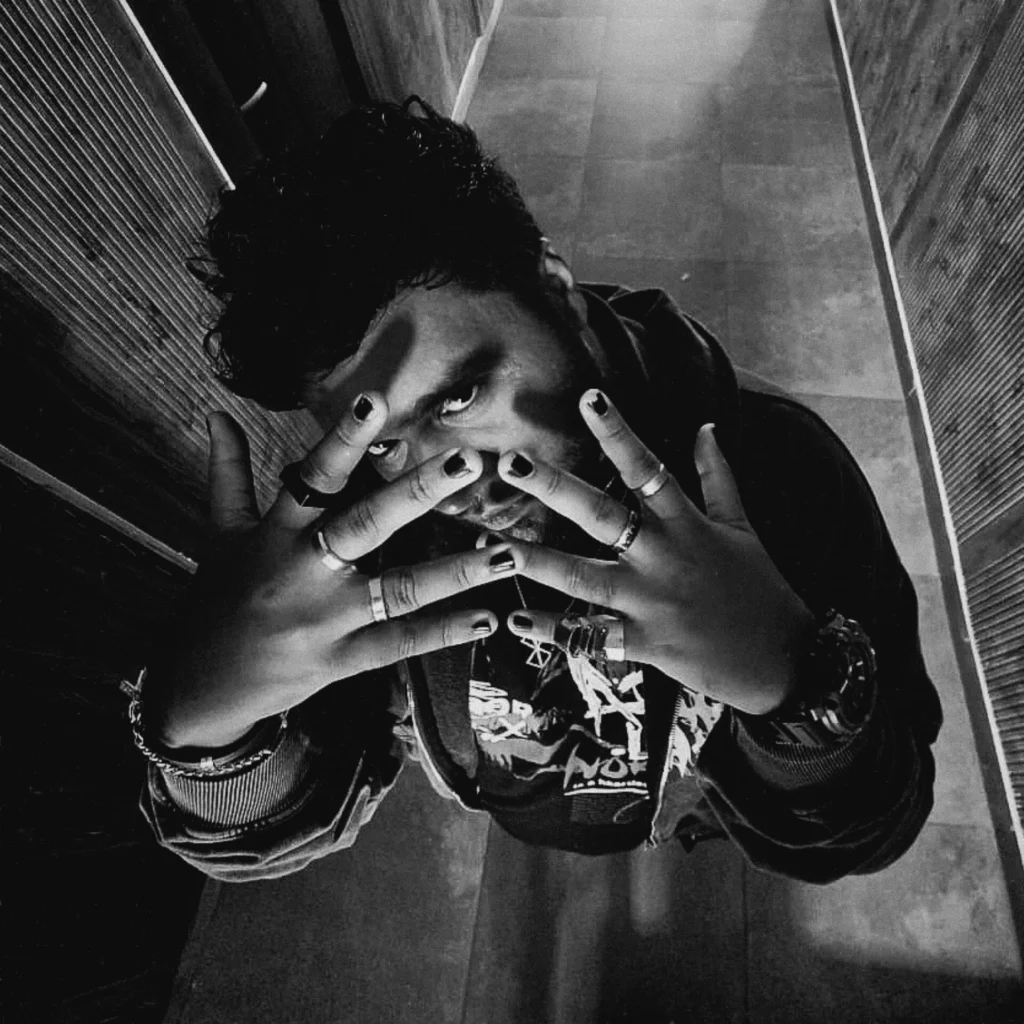
The arrangement also reflects something honest about how intensely personal this work is to him. When asked whether he could hand the visual development off to someone else, his answer is characteristically direct:
“It wouldn’t be easy for me to let go of working on that to someone else because I’d flood them endlessly with details and ideas till they got sick of me haha. So to save someone else’s sanity (and the band’s pockets) I like to handle them myself.”
Forty Minutes Still Isn’t Enough
The roots of Paul’s obsession with fictional worlds run back to school libraries and the particular, almost feverish experience of discovering a novel whose universe felt genuinely enormous.
He spent those years picking up fantasy and science-fiction novels whose titles and authors he can no longer always name, but whose worlds lodged themselves permanently in his imagination. The lore was intricate. The worldbuilding was vast. And there was, crucially, no adequate way to communicate what made these places so extraordinary to anyone who had not read them.
“There was no way to geek out about these things without grabbing someone and rambling on about abstract things for 40 minutes at a time and it’s still not enough to convey how cool it is to me.”
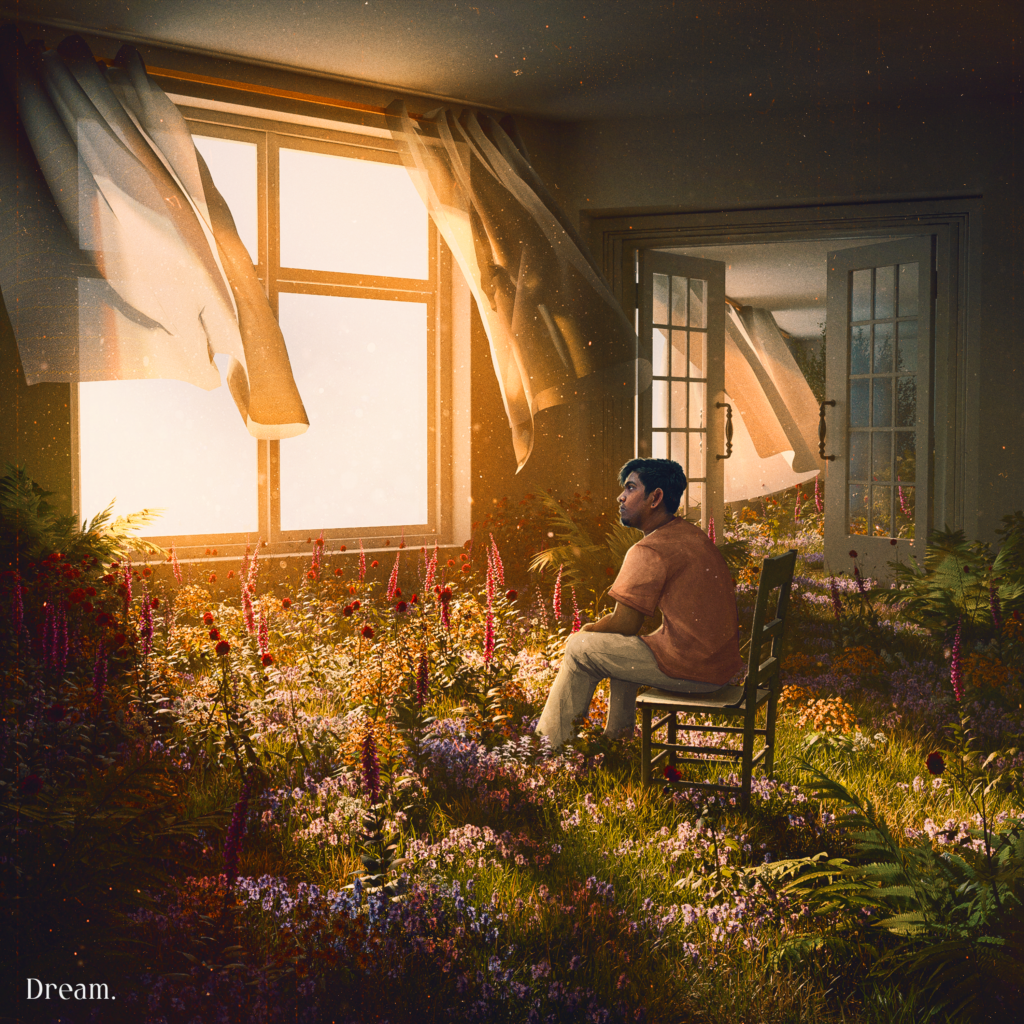
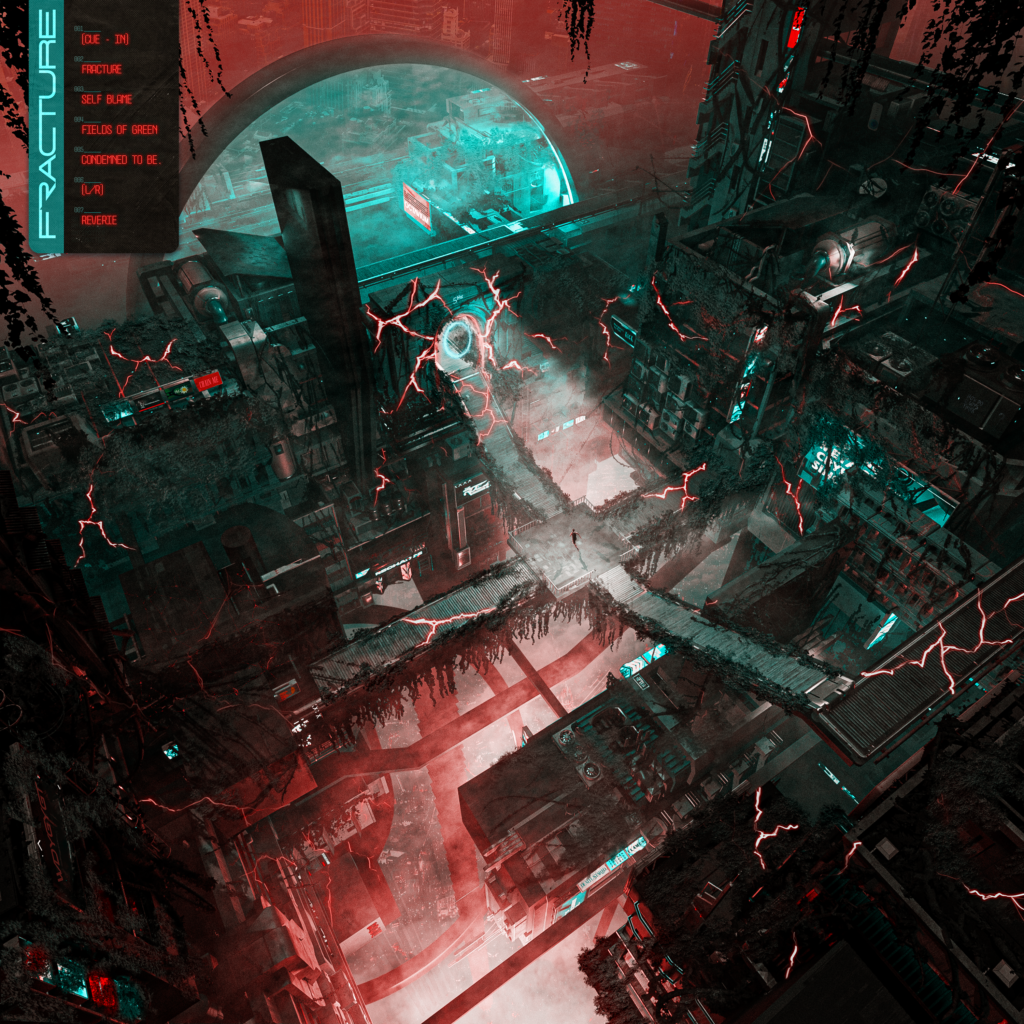
That image, grabbing someone and talking breathlessly about an imaginary world for forty minutes, knowing the whole time that you are still failing to get across what makes it special, is one of the most honest descriptions of why visual storytelling matters. Words alone have a ceiling. Even forty minutes of them.
Digital art became Paul’s answer to that ceiling. Learning it gave him a language that did not require the listener to already share his imaginative frame of reference. He could simply show them.
“Thankfully along the way I picked up digital art, and can now make artwork to showcase small sections of worldbuilding that I’ve come up with while not overwhelming the audience with giant walls of text!”
The Beauty Inside Grimdark Worlds
Paul’s personal work is drawn consistently towards a particular kind of fictional universe: vast, dark, philosophically weighty, and beautiful in ways that feel hard-won rather than decorative. Warhammer 40K, Berserk, and Elden Ring are the three he returns to most often, and what connects them is not aesthetic similarity so much as a shared quality of scale.
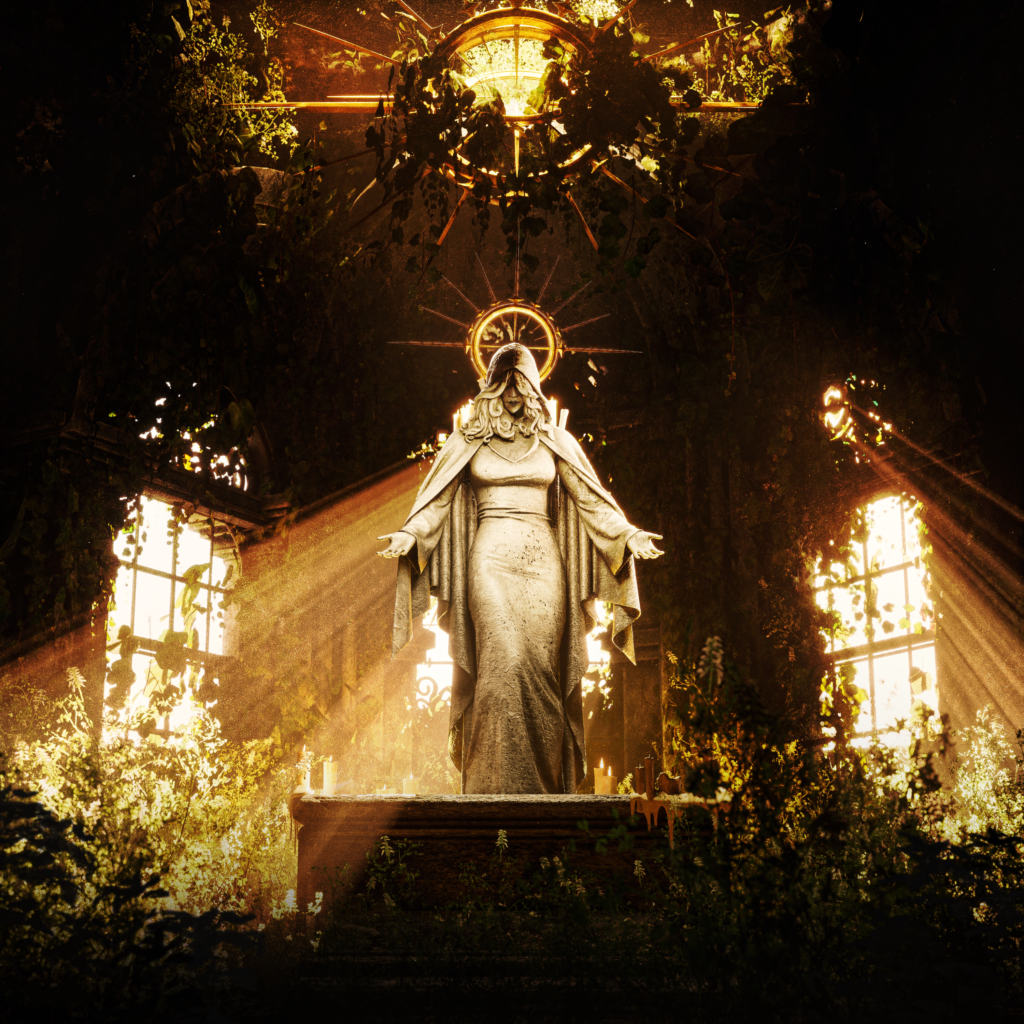
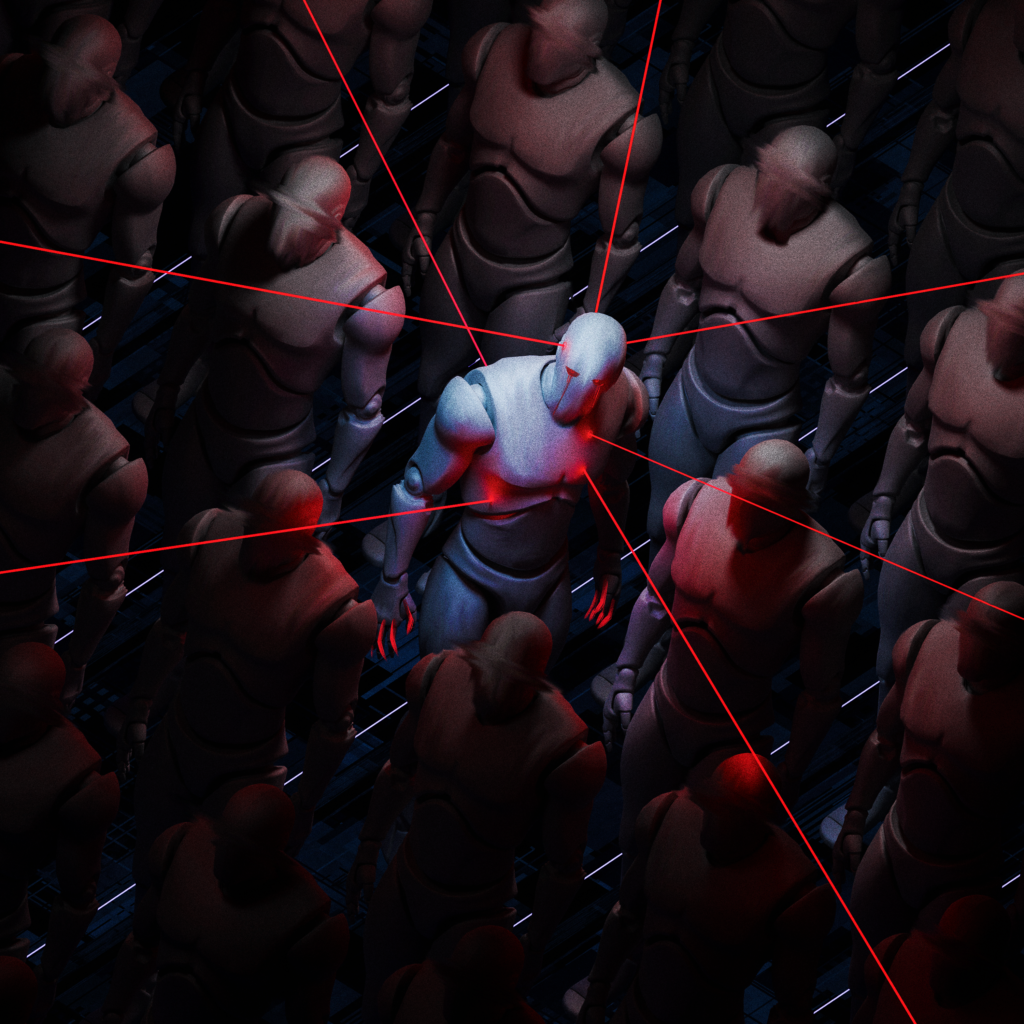
“Their lore is so vast and extensive that you will never grasp the entirety of it and will always have gaps in knowledge.”
There is something Paul finds genuinely moving about that incompleteness. The idea that a fictional world could be too large for any single person to fully know feels, to him, like a mark of seriousness. These are universes that reward study rather than consumption. He listens to lore explanations and fan theories in the background while he works, not as background noise but as genuine engagement with worlds that continue to reveal new depths.
What draws him most deeply, though, is not the darkness of these universes but the way they handle what persists within it.
“There’s another aspect of these grimdark worlds which is the indomitable human spirit. These pieces of media have really dark yet beautiful and intricate themes and aesthetics, reflected in their worldbuilding through environments, architecture, armor, equipment, character and monster designs, etc etc etc. No matter how futile or dark things may seem there’s always a glimmer of hope and humanity that strives to survive and exist.”
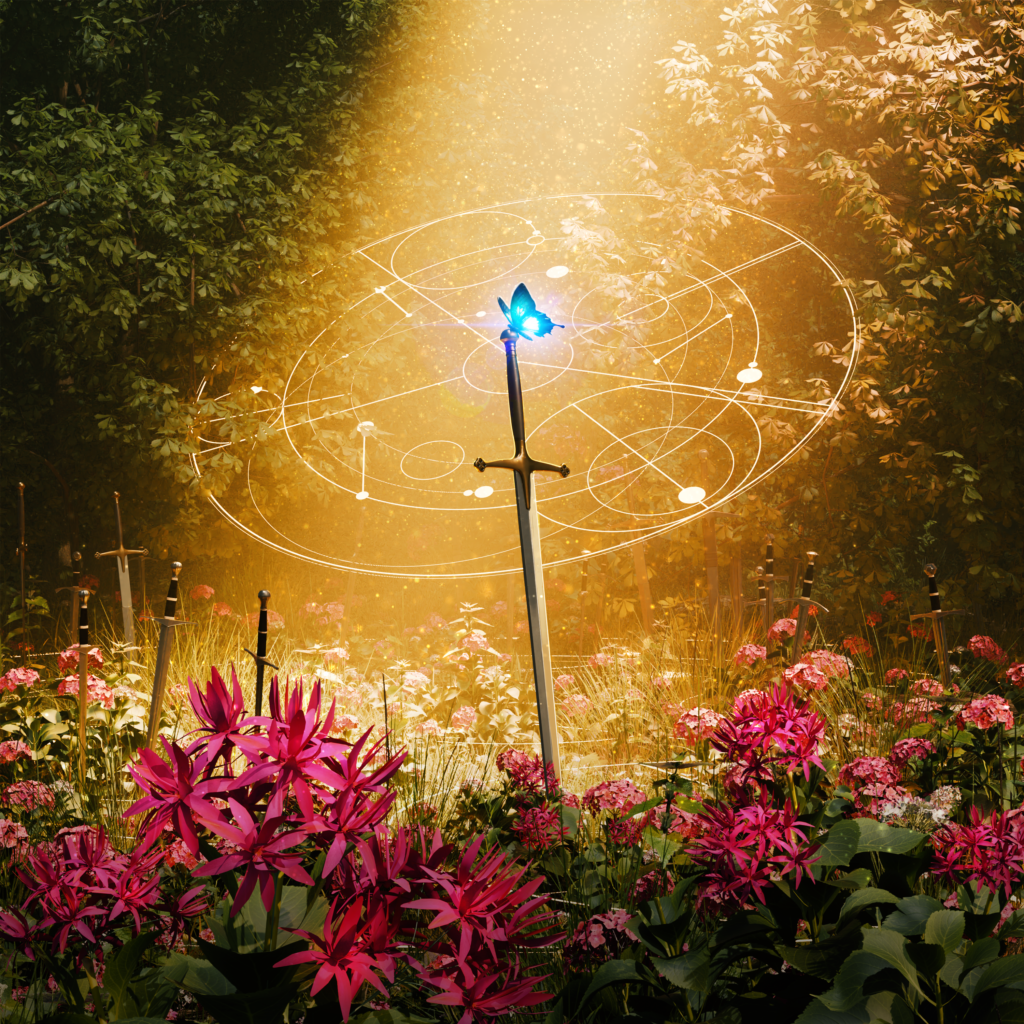
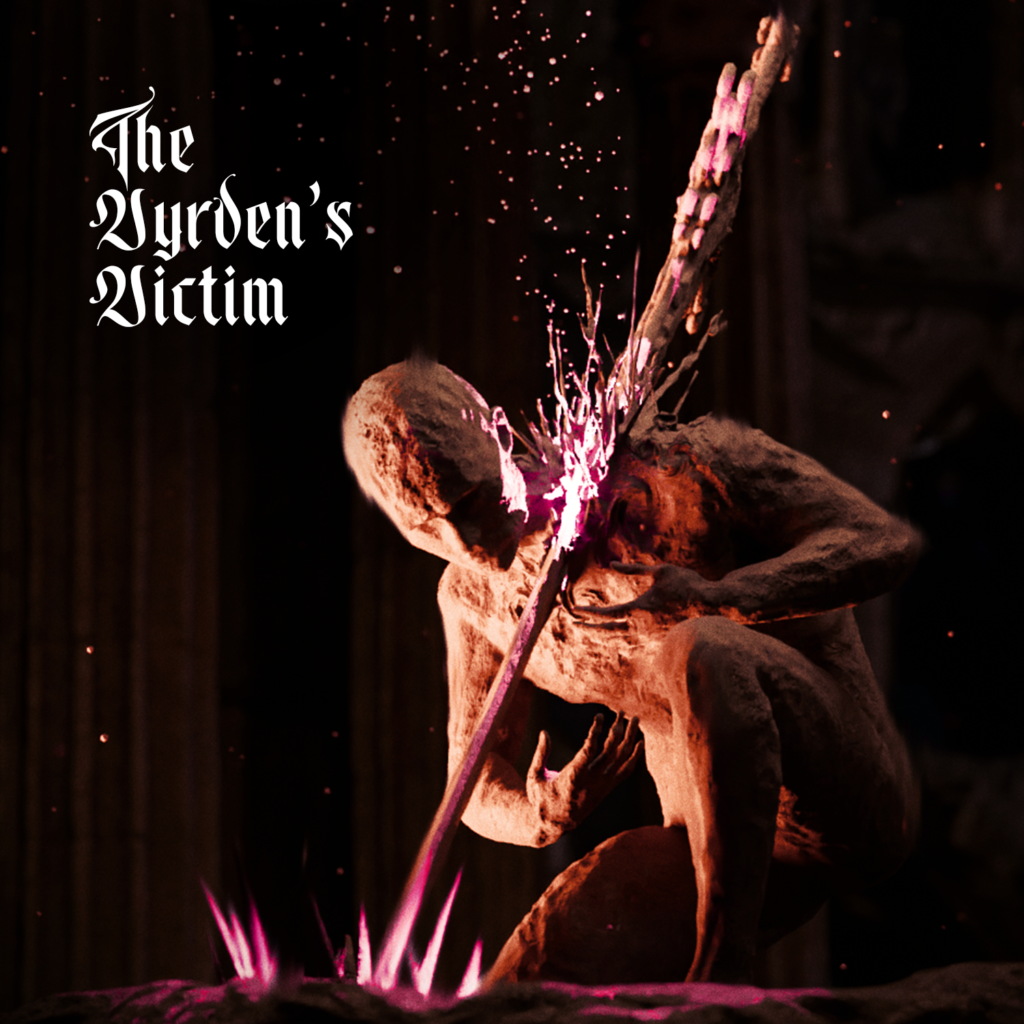
“I find that deeply moving and beautiful.”
That emotional core, the contrast between overwhelming darkness and the stubborn insistence on surviving it, shows up throughout Paul’s own creative work. The grimdark aesthetic is not just a visual influence. It is a framework for understanding what makes a fictional world feel worth caring about.
The Artists Behind The Visual Library
Paul’s imagination has been shaped by a particular constellation of writers and visual artists. On the literary side, Dan Simmons and Christopher Paolini feature prominently: Simmons as the author of the Hyperion Cantos and the Ilium/Olympos duology, Paolini as the author of Eragon. Both writers constructed fictional universes of genuine scope, and both clearly fed Paul’s appetite for lore that rewards sustained attention.
“Some creators that have influenced me would be Dan Simmons (Author of Hyperion Cantos & Ilium / Olympos), Christopher Paolini (Author of Eragon), Artists like Ian Hubert, Andre-Lang Huynh, Finnian MacManus, Adam Burn and more.”
On the visual side, Ian Hubert, Andre-Lang Huynh, Finnian MacManus, and Adam Burn represent the kinds of artists whose work accumulates in a practitioner’s imagination and becomes reference material for their own instincts. Paul describes this as a “visual library” — the storehouse of images, designs, structural solutions, and emotional textures that an artist draws upon when making decisions. Every influence absorbed adds to that library, expanding the range of what becomes possible in future work.
When Your Artwork Appears On Stage
For much of his working life, Paul’s output existed primarily on screens. Commissions, illustrations, visual development work: all of it digital, all of it experienced through a rectangle of glass. Then 2023 changed that.
A concentration of music-related projects arrived around the same time, and Paul found himself attending shows where artists he had created work for were performing live. His artwork appeared on stages. It appeared on merchandise. Physical objects, held and worn by real people in real rooms.
“I’d go to their shows and see my artwork up on their stages and merch, the feeling was unreal.”
Something shifted in that experience. Seeing digital work translated into the physical fabric of a music scene, printed, displayed, present in a space that smelled of sweat and sound, made Paul want more of it.
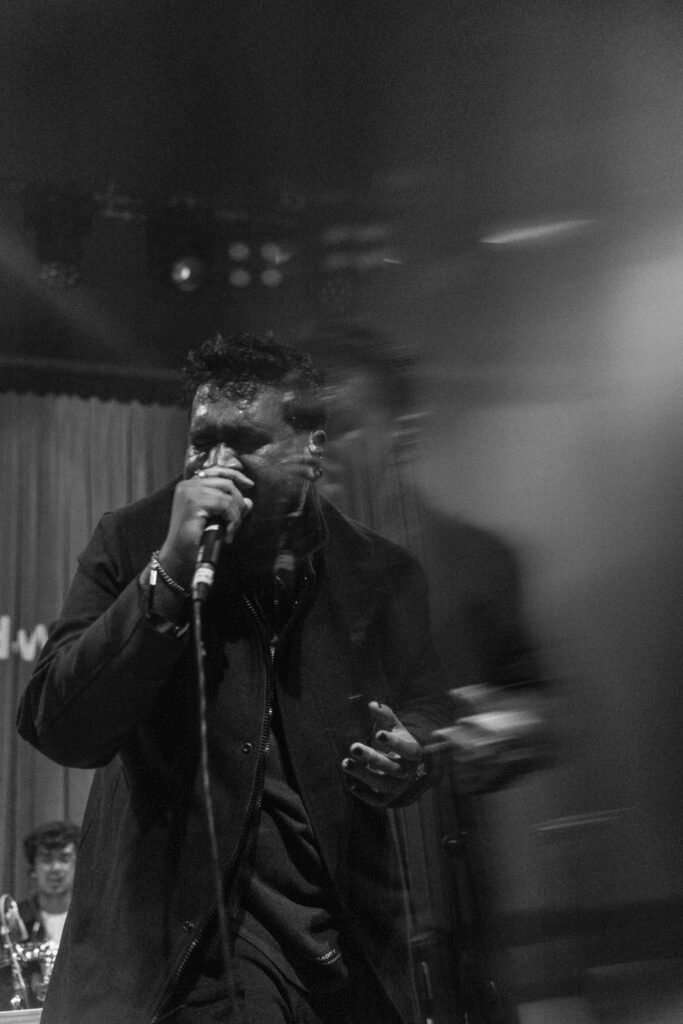
“I’ve wanted to make my work known in the music scene all the more.”
It is a telling moment of clarity for an artist whose work already moved so naturally between forms. The screen had always been a starting point. The stage confirmed that the destination was somewhere more tangible.
Hikarishima And The Creative Breakthrough
Among Paul’s personal projects, Hikarishima holds a particular place. A solarpunk world he developed and visualised, it represents a point in his practice where something clicked: where technique and vision arrived at the same level at the same time.
“There was also a personal solarpunk project I made called Hikarishima, it felt like a breakthrough of techniques and quality of work at the time.”
Paul is careful not to overstate what that breakthrough meant. It was not the moment he became the artist he wanted to be. It was the moment he could recognise, clearly and concretely, that his technical development was real and measurable. That kind of self-awareness, the ability to identify your own growth without either dismissing it or inflating it, is rarer than it sounds.
The Films That Changed Everything
Paul’s earliest creative influences arrived the way they do for most children: through cinema, and specifically through the particular electricity of watching enormous, impossible things made to feel physically real.
Jurassic Park, Godzilla ’98, and Narnia were formative in the way that certain childhood films simply are — they established that dragons and giant creatures and imagined worlds were things worth drawing, worth returning to, worth spending a life thinking about.
“When I was a little kid I grew up watching movies like Jurassic Park, Godzilla 98, Narnia and things like that so I’ve always drawn things like dragons, giant robots and whatnot.”
Then came Pacific Rim and the Bayverse Transformers films. Paul describes these not simply as films he enjoyed, but as a decisive turning point, a moment where something crystallised about what he wanted to do with his creative life.
“The turning point has to be the Pacific Rim and the Bayverse Transformers movies. I was forever changed as a person and artist, and knew for sure that I wanted to make something like that one day.”
What those films offered was proof of possibility. Enormous imagined machines and creatures, realised cinematically with enough visual conviction that you felt their weight and scale, confirmed that this kind of worldbuilding could be done — and that it was worth doing. For a teenager with a head full of fictional universes and no clear path towards making them visible, that proof mattered enormously.
Taking The World Off The Screen
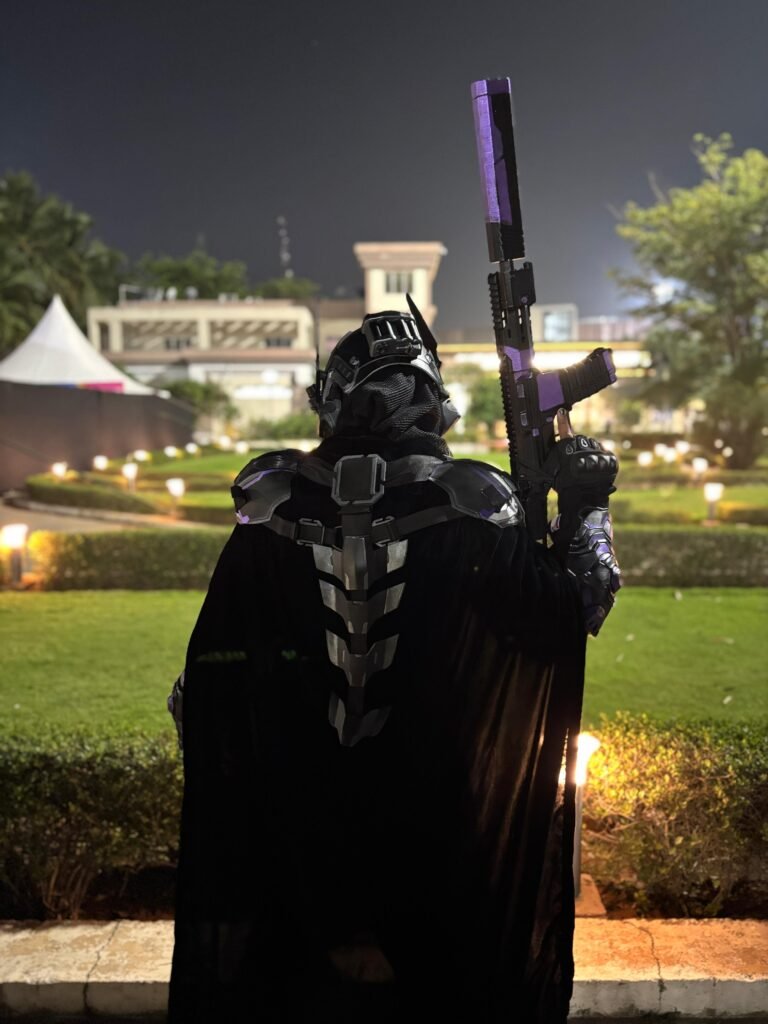
Paul’s relationship with cosplay and model-building is, in part, an extension of the same impulse that drew him to those films: the desire to make something imagined feel physically real.
“There’s an inexplicable satisfaction that comes from your digital work being made physical and tangible.”
The process of assembling a cosplay piece or a model kit is not passive. You fix pieces together, post-process surfaces, apply paint, make decisions about texture and finish. The physical object does not emerge automatically. It is constructed, with your hands, through a sequence of choices that echo the decisions Paul makes digitally every day.
“I guess the best way to put it is that I get to still experience the joy of creating something and not have to sit at my pc the entire time to do it!”
Model-building, in particular, functions for Paul as both rest and education. The meditative quality of working with physical components allows him to step back from a screen without stepping away from creative thinking.
“As for the model kits, it’s a relaxing and meditative process. I get to rest my eyes from a digital screen and at the same time learn how to build up forms, how joints, sockets and other articulation works on mechanical looking pieces. Everything lends towards building up your ‘visual library’ for future projects — and I get a cool display piece for my shelf at the end of it!”
The joints, sockets, and articulation systems of a physical model are not separate from his digital work. They feed directly back into it. Every mechanical form he handles with his hands becomes a reference he carries forward into the next creature design, the next armoured figure, the next imagined machine.
Sylvan: The World He Wants To Build
Ask Paul what he would create with unlimited creative freedom and the answer arrives not as a vague aspiration but as a fully formed world with a name, a genre, a tone, and a wish list of collaborators that reflects everything he has spent his creative life loving.
“Forgive me for how geeky this may sound.”
He need not apologise. Sylvan is a fantasy world built around elves, nature, magic, and eldritch creatures, and Paul’s vision for it is genuinely ambitious: an open-world video game alongside a long-running television series, developed in the vein of Elden Ring and Bloodborne. For the game, he would bring in Hidetaka Miyazaki and FromSoftware. For writing and production, Hideaki Anno and Guillermo del Toro. For the soundtrack, a collaboration between Mick Gordon, Christopher Larkin, and Shiro Sagisu.
“I’ve seen Mick Gordon compose mainly for more scifi kind of projects so far but it would be so cool to see how he would approach a fantasy game OST along with Christopher Larkin and Shiro Sagisu.”
Sylvan is not a fantasy collaboration list. It is the logical culmination of everything Paul has built, absorbed, and practised across every medium he has worked in. The games that shaped him, the cinema that changed him, the lore that consumed him in library aisles as a teenager, the music he writes and sings and visualises, the model kits that teach him how physical forms hold together: all of it points towards a world large enough to contain everything he cares about.
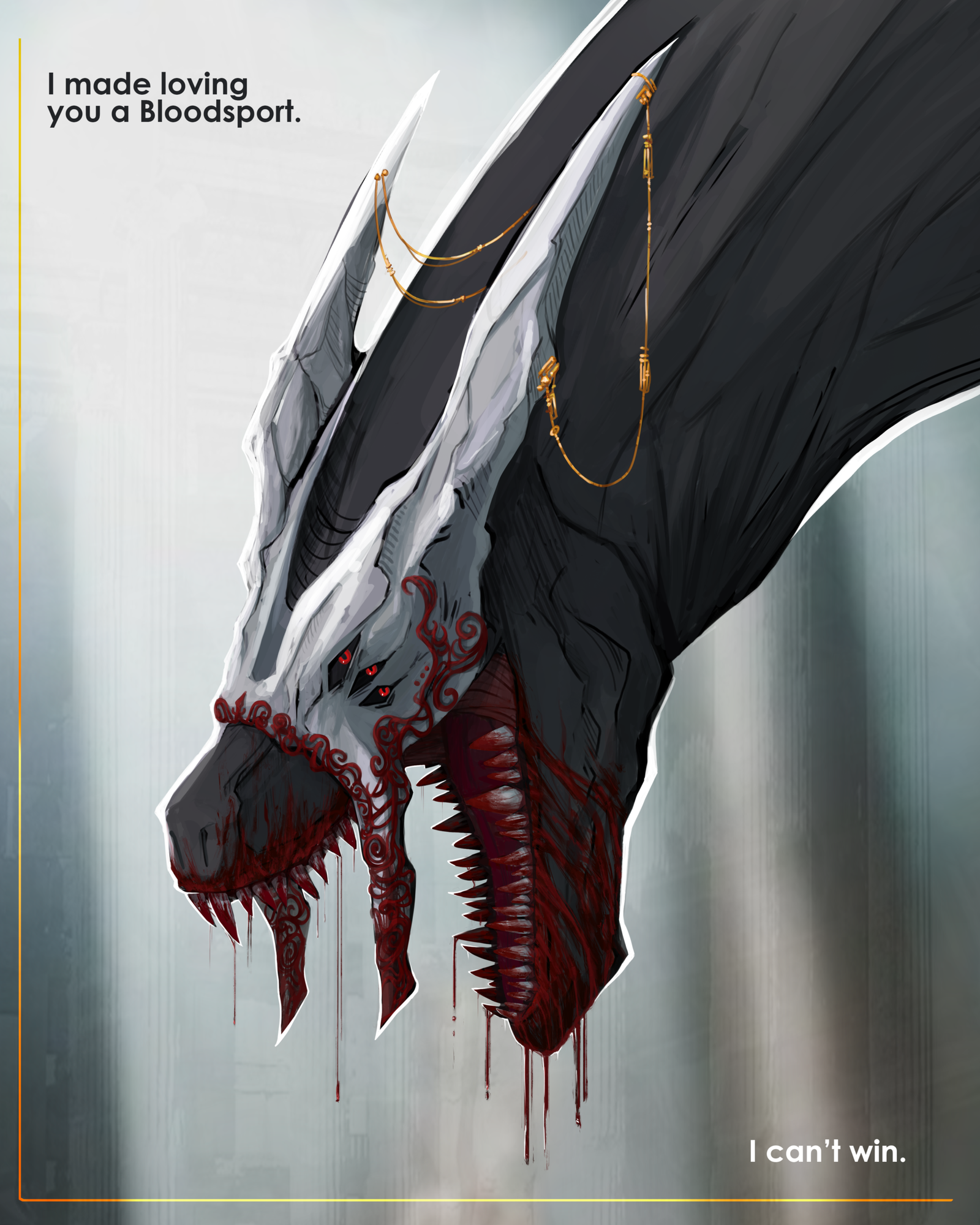
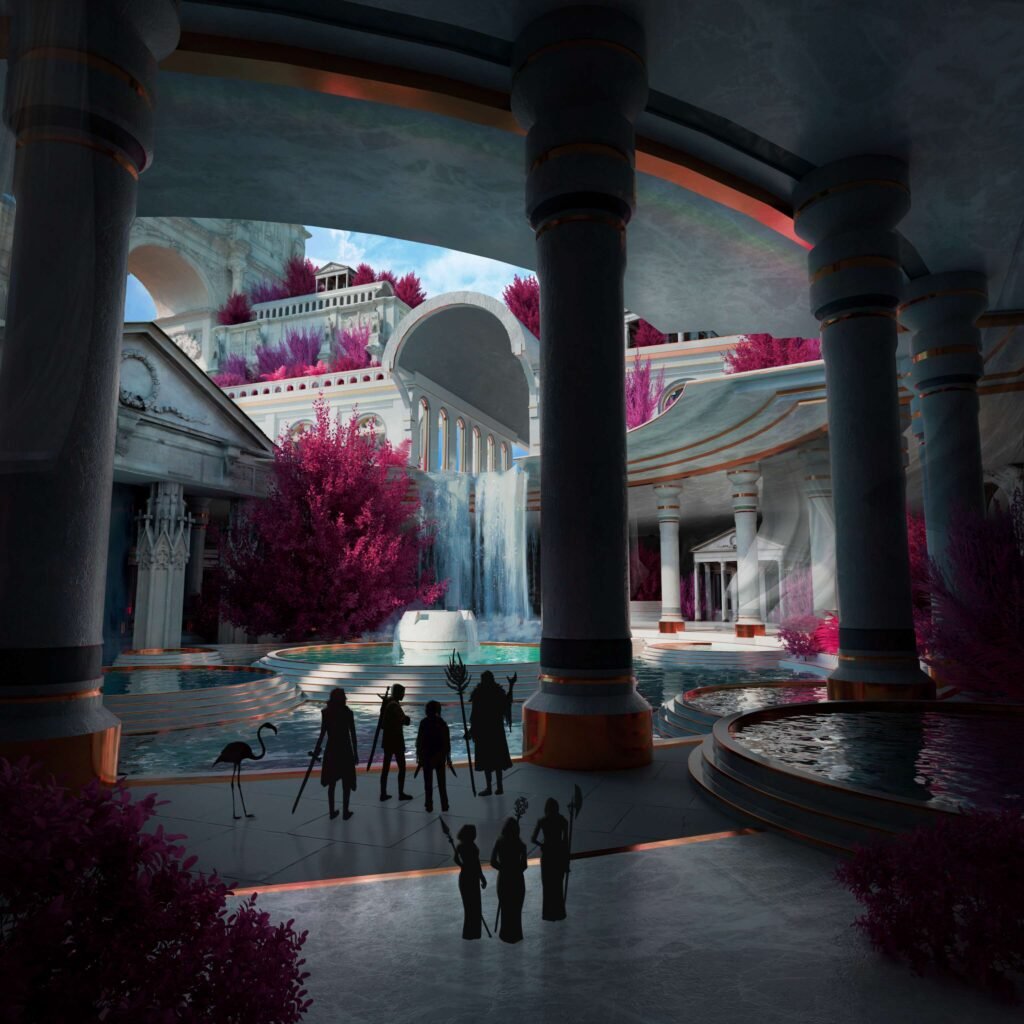
“There is a personal worldbuilding project of mine I want to flesh out one day. It’s called Sylvan, a fantasy world revolving around elves, nature, magic and eldritch creatures.”
That Sylvan does not yet exist as a game or a series is almost beside the point. The fact that Paul can describe it in this much detail, its tone, its scale, the specific creative minds he would want inside it, tells you something important about where all the other work is heading.
Never Stop Geeking Out
The child who haunted school libraries, overwhelmed by fictional worlds too rich to summarise, who wanted to grab strangers and talk for forty minutes about imaginary universes, is still very much present in Paul David’s work. He has simply found better ways to share what is in his head.
Concept art gave him a language for making fictional worlds visible without requiring a lecture. Music gave him a way to articulate their emotional register. Model-building gave him a way to hold them in his hands. Cosplay gave him a way to inhabit them. Every medium Paul has picked up has been another answer to the same question: how do you make someone else feel, even briefly, what it is like inside a world that only exists in your imagination?
His multidisciplinary practice is not the result of scattered interests or indecision. It is what happens when someone has ideas large enough that no single form can adequately contain them. The disciplines do not compete. They collaborate, the same way Paul imagines Miyazaki and del Toro and Mick Gordon might one day collaborate on Sylvan.
“I’m unapologetically whimsical about the things I enjoy, and I think everyone should be too.”
There is something quietly radical about that position. Genuine enthusiasm, the kind that makes you want to ramble for forty minutes about a fictional universe because you simply cannot help yourself, is easy to suppress. It can feel embarrassing, excessive, or at odds with the cool detachment that creative industries sometimes reward. Paul has chosen, deliberately and consistently, not to suppress it.
“To be cringe is to be free.”
What Paul’s work ultimately suggests is that staying curious, about lore, about joints and sockets, about how darkness and hope coexist in a fictional world, about what Mick Gordon might do with a fantasy soundtrack, is not a distraction from serious creative practice. It is the foundation of one.
Follow Paul David on Instagram
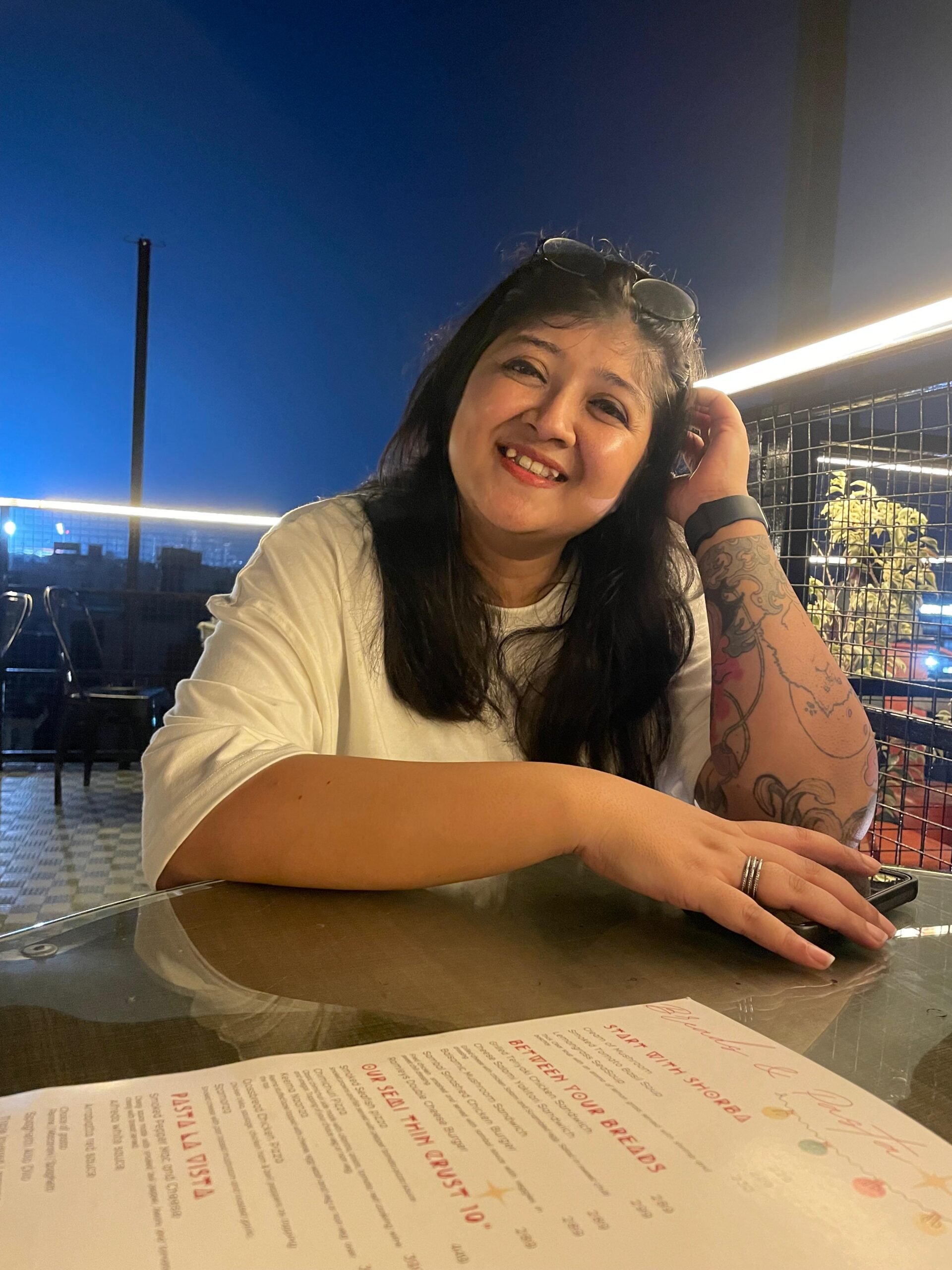
Oeshi B Lyndem is a visual artist, tattoo artist, graphic designer, and entrepreneur with a foundation in graffiti and street culture. Rooted in hands-on craft and making, her practice moves fluidly across illustration, street art, design, and experimental creative processes. With lineage from Shillong—often regarded as India’s rock capital—she carries a distinct cultural influence into her work. At Goofy Owl, she curates and leads the street and hip-hop culture segment through an intuitive, deeply creative, and entrepreneurial lens.