Amorphia: The Kerala Thrash Metal Band Taking Indian Metal to the World
From a college band in Cherthala to touring Japan and Europe, discover how Amorphia became one of India's most respected independent thrash metal acts.
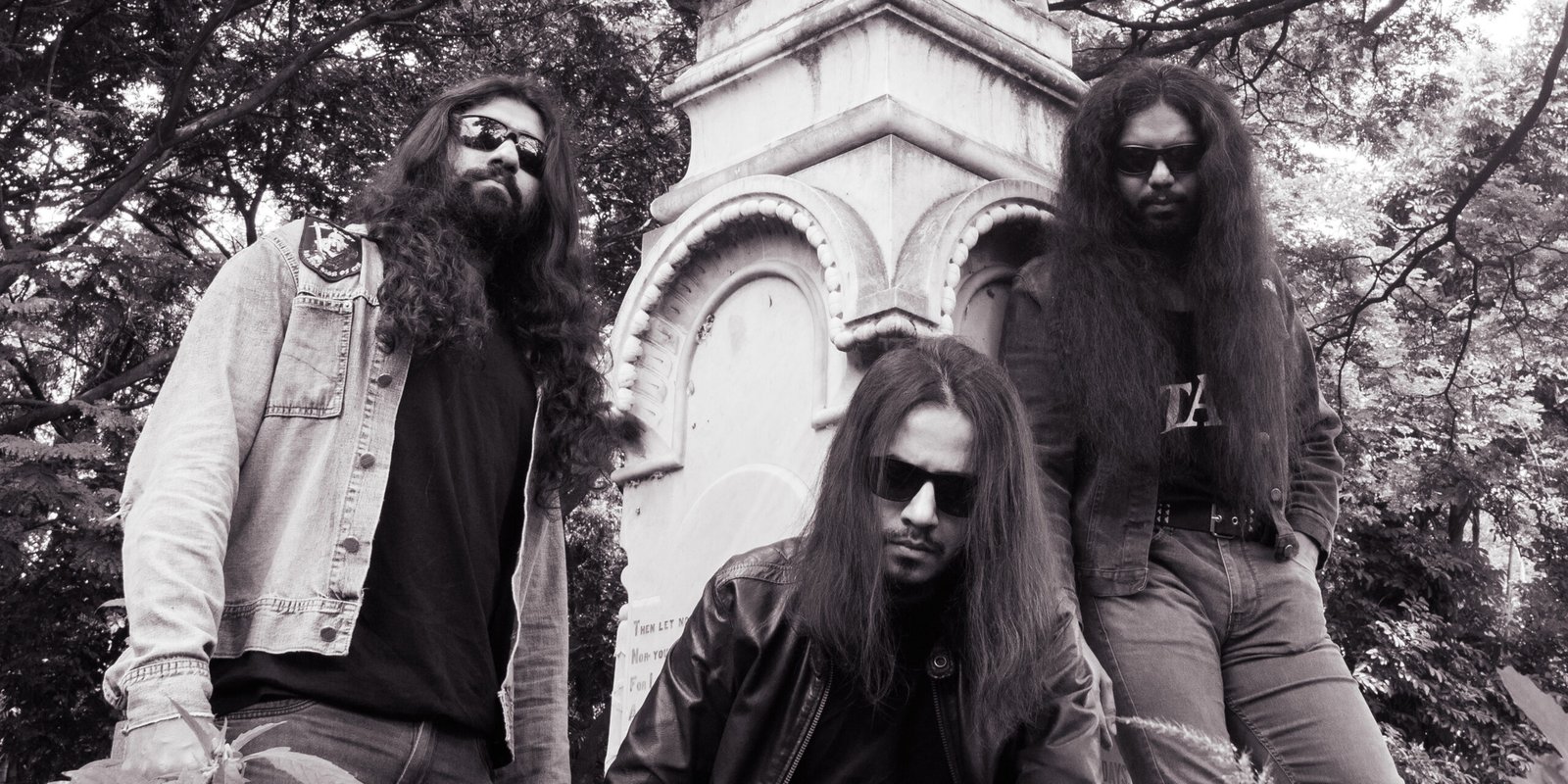
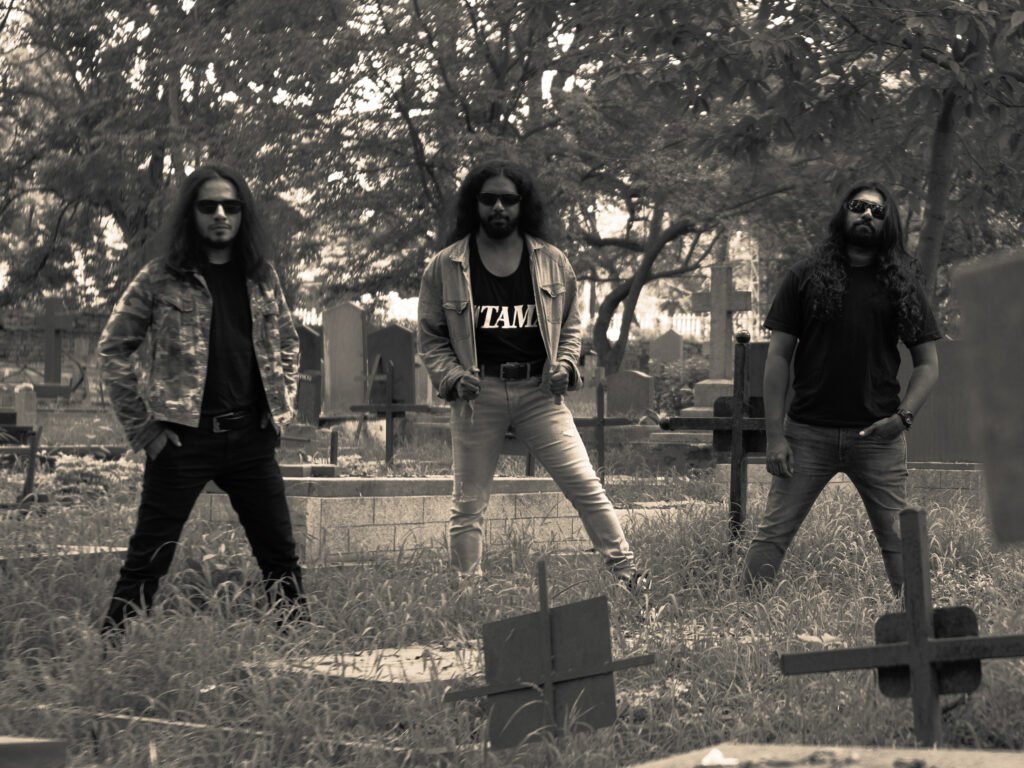
There is a particular kind of stubbornness required to play thrash metal in Kerala. Not the aggression you channel into the music, though that helps, but the quieter, more unglamorous kind. The sort that keeps a band together for over a decade without a major label, without a publicist, and without ever softening the edges to make things easier. Amorphia have that stubbornness in abundance. And it has taken them further than most people thought possible.
What began as a college band in the coastal town of Cherthala has grown into one of India’s most enduring independent metal acts. Three full-length albums. Tours across Asia, Europe, and the Middle East. Multiple runs through Japan. For a band that built everything from the ground up, on their own terms, the story of Amorphia is not just a metal story. It is a story about what happens when conviction outlasts circumstance.
From Cherthala to the World Stage
Kerala is not the first place that comes to mind when you think of thrash metal. But then, neither was San Francisco in 1981, before a generation of teenagers decided it should be. Amorphia formed in that same spirit of defiance, playing college festivals in a state where metal was still a curiosity rather than a culture.
Vasuchandran, the band’s frontman, traces the origin back to a simple beginning. He and drummer Vivek Prasad met through a mutual friend and started jamming together just for fun. They played college festivals and slowly started writing their own music. In 2014, they released their first single, which got a strong response from listeners in different places. That led to enquiries for shows outside their hometown, and from there, they just kept playing wherever they could.
The early years were formative in the way that early years always are: scrappy, energetic, and driven more by passion than by any clear sense of destination. The band grew up on the German thrash metal sound of the mid-1980s, with Sodom and Kreator serving as twin pillars of influence.
“We worship fast thrash metal,” Vasuchandran says. “Really fast thrash metal.”
That love for uncompromising, aggressive, technically demanding metal has never left them. It is baked into everything Amorphia does.
What changed over time was not the music itself but the scale of ambition behind it. In 2018, the band released their debut full-length album, which opened even more doors. Through Bandcamp, their music reached people around the world and invitations to perform at international festivals followed, including multiple shows in Japan. Playing college festivals gave way to proper tours. Regional recognition expanded into a national profile. And then, gradually, the world opened up.
The Japanese Connection
Of all the places Amorphia have performed, Japan holds a particular significance. The band has toured the country four times, and those experiences have left a clear mark on how they approach their craft and their audience.
“The respect and acceptance we’ve received from Japanese audiences is unmatched,” Vasuchandran says. “People genuinely listen, support the music, which means a lot to an independent band like ours.”
Japan has a deeply committed metal audience, one that brings a level of attentiveness and respect to live shows that is genuinely rare. For a band used to fighting for attention in a market still building its metal infrastructure, performing in front of crowds that already understood the language of the music was both validating and humbling. The tours reinforced something Amorphia had always believed: that thrash metal, played with conviction, does not require translation.
Those tours also came with another kind of education. Meeting legendary musicians they had grown up listening to left a lasting impression.
“As fans, it was surreal to meet them in person,” Vasuchandran reflects. “What made it even more special was realising how humble and down to earth they are, and having them appreciate and support our music. Those experiences have been a huge motivation for us and reminded us that no matter how far you go, staying humble is just as important as making great music.”
Audience connection, perseverance, and a willingness to put the music ahead of personal ego are values that run through everything the band has built. International touring has a way of testing those values. Amorphia passed.
Three Albums, Three Worlds
A band’s discography is often its most honest autobiography, and Amorphia’s three full-length records tell a story of a group that refuses to repeat itself conceptually, even while remaining musically consistent.
Arms to Death, the debut, is what Vasuchandran describes as a fictional concept record combining themes of war and blasphemy, while also looking at how war affects people, society, and the world. Merciless Strike took a completely different direction, drawing inspiration from UFOs, aliens, and human experimentation, making it more of a sci-fi concept album. Then came Lethal Dose, which turned the focus toward something much more grounded: the injustices in today’s medical system and the darker side of healthcare.
“It’s probably our most socially driven record so far,” he says.
Vasuchandran is candid about where his personal preference sits. “I like our second album, Merciless Strike, a little more than Lethal Dose. But Lethal Dose will always be a special record for us because of everything we learned while making it.” The record was also the most challenging to produce. Unlike previous releases, it was recorded entirely in an analogue way. “If you listen closely, you can really hear the warmth and character of the sound compared to our earlier albums.” It was also the first Amorphia album to sell out completely.
“We don’t like repeating ourselves,” he adds. “So every album has its own identity and story.”
What is striking about the discography is precisely this pattern. Each album explores entirely different lyrical and thematic territory while remaining unmistakably Amorphia. That is harder to pull off than it sounds. Many bands either chase sonic variety at the expense of identity, or cling to identity so tightly they stop growing. Amorphia have managed to hold both in balance, and it shows.
On the Indian Metal Scene
Vasuchandran speaks about the Indian metal scene with the measured perspective of someone who has watched it transform over a long period of time. The changes have been significant. A growing emphasis on original music rather than covers. A more professional approach to touring, recording, and releasing material. And, critically, a broader international appetite for what Indian metal bands are doing.
“One of the biggest improvements is that more bands are finally focusing on releasing original music instead of just playing covers or doing random live shows,” he says. “That’s what really builds a band’s identity. People want music. They want albums and songs they can keep coming back to.”
But he is equally direct about the challenges that remain. “Commitment is still one of the biggest challenges. Every member needs to be equally dedicated to the band. A lot of good bands break up over small arguments or minor issues, and that’s unfortunate because building something meaningful takes years of patience and consistency.”
For bands looking beyond India’s borders, his advice is straightforward.
“Keep writing, keep recording, and keep releasing music. We’re living in the age of social media and the internet, where your music can reach people anywhere in the world. Keep improving, keep learning as musicians, and don’t give up if things don’t happen overnight. If you’re consistent and honest with what you create, people will eventually discover your music.”
It is a lesson Amorphia has both preached and practised.
What Independence Actually Means
There is a tendency to romanticise artistic independence. The reality is rather more complicated. Remaining unsigned and self-directed throughout a career means handling logistics that a label would otherwise absorb. It means making hard decisions about budgets, touring schedules, and recording without a support system behind you. It means that when things go wrong, there is no one else to blame.
Vasuchandran does not shy away from that reality.
“Every tour, every album, and every big decision comes with risks, but that’s part of the journey.”
What keeps the band grounded through those risks is the network of trust they have built over the years. “Once your music reaches the right people, everything becomes a little easier. You start building genuine connections, and that opens doors for touring, collaborations, and future releases. We’ve been fortunate to have experienced people around us who are always willing to give us the right advice when we need it.”
But he is clear that no external support replaces the internal drive.
“No one can do the work for you. You need the courage to keep pushing forward, even when you have no idea what’s going to happen next.”
Amorphia have navigated all of this without compromising their artistic vision. They have recorded on their own terms, toured internationally under their own steam, and built an audience that knows exactly what the band stands for. That is not a small achievement. In a scene where many bands dissolve under the pressure of going it alone, their longevity is its own kind of statement.
“Don’t compromise your vision just to follow trends,” Vasuchandran says. “If you stay true to what you believe in and keep putting in the work, people will eventually connect with your music. That’s how you build a loyal audience.”
Looking Ahead
The ambition has not diminished. New music is in progress. Touring plans continue to take shape. And with 2027 firmly in their sights, the band is gearing up for what Vasuchandran describes as the next chapter.
“We have new music in the works, tour plans taking shape, and a few exciting announcements that we’ll be sharing soon,” he says. “Our goal has always been to keep growing without compromising. So people can definitely expect more music, more live shows, and hopefully more international touring. We’re really looking forward to what 2027 has in store, and we can’t wait to share the next chapter of Amorphia with everyone.”
That trajectory, from a college band in Cherthala to an internationally recognised act with a body of work spanning more than a decade, is a genuinely remarkable one. It did not happen because of industry support or calculated positioning. It happened because a group of musicians from Kerala decided that their version of thrash metal was worth fighting for, and never stopped fighting.
Amorphia are one of India’s most important independent metal bands not simply because of how long they have lasted, but because of how much they have achieved on their own terms. In an era of algorithmic shortcuts and genre-blurring for reach, that kind of uncompromising commitment to a vision is increasingly rare. It is also, as it turns out, exactly what takes a band to the world.
The next chapter is coming. Given everything that has come before it, there is every reason to pay attention.
Lubdhak Biswas is a musician, entrepreneur and a tattoo artist based out of Kolkata (India).
He documents underground culture at the crossroads of tattooing and music.
His work focuses on craft, tools, ethics and the real working realities of creative industries.