Most objects are designed to be consumed. Very few are designed to feel personal.
We navigate a hyper-curated landscape where everything is mass-produced. The clothes we wear, the bags we carry, and the shoes we walk in are often identical to those owned by millions of other people. Yet, there is a deep, underlying human desire to stand out. We seek ways to attach our own stories to the things we own. Customization has become a powerful form of self-expression, allowing everyday objects to transform into extensions of our own personality.
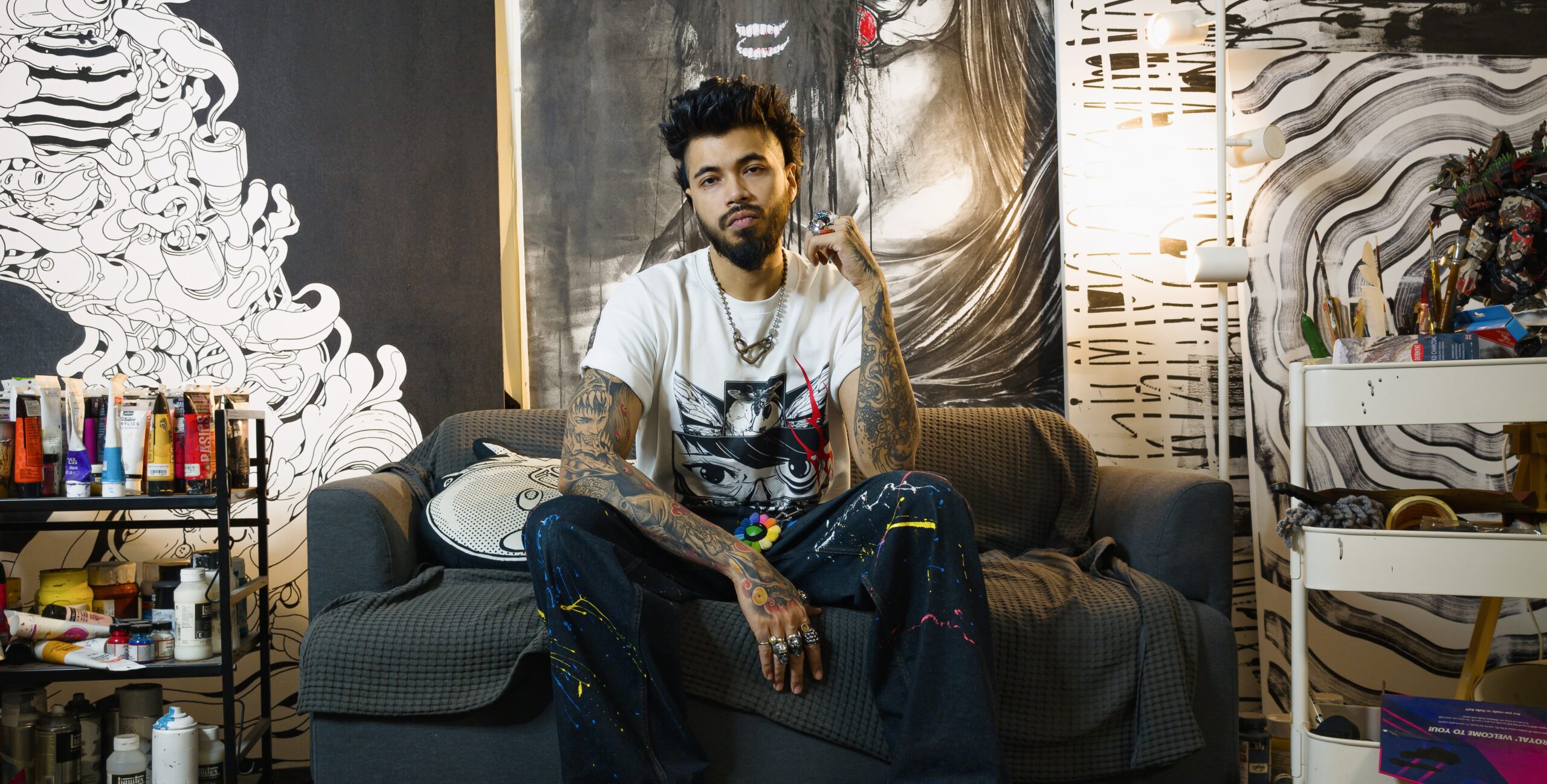
When you look at the work of Eric Fraser, you start to see exactly how this transformation happens. He takes ordinary surfaces and turns them into highly emotional, deeply individualized artifacts. His process offers a fascinating lens into why we care so much about making things our own.
Beyond Labels
When we look at someone who creates across multiple disciplines, we often try to place them in a neat box. Are they a painter? A designer? A photographer? We seek labels because they are easy to understand. However, true creativity is usually much larger than the specific medium attached to it.
When asked how he defines his own practice, Eric keeps it simple and open.
“The common line between the two to describe me would be a creative individual, although i categorise photography to be an art form of its own.”
This mindset allows him to move fluidly between different formats without feeling restricted by the expectations of a single industry.
Why Customization Matters
People want objects that feel emotionally theirs. We do not just buy things for their utility; we buy them to reflect our internal identity to the external world. Eric taps directly into this desire when he approaches his work.
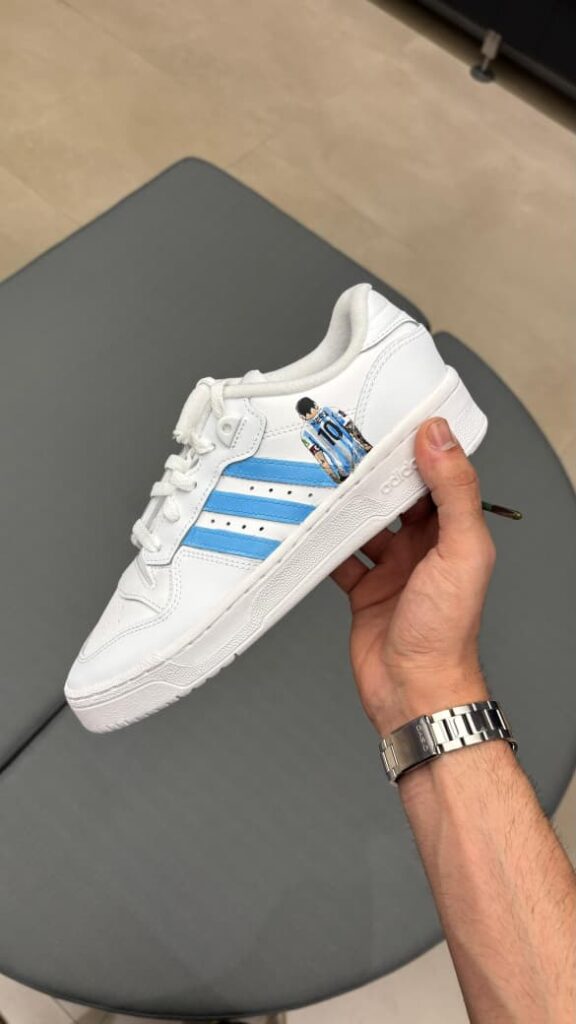
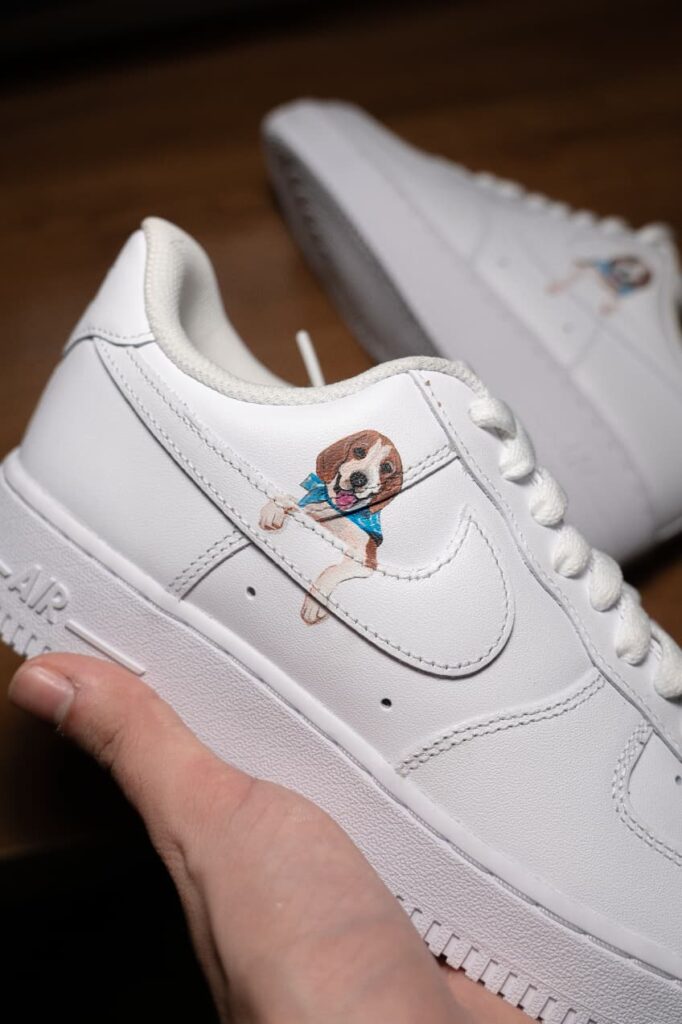
“The concept of customisation came from the idea of personalizing products and making each product unique to others out there,” he explains. “I always wanted to have something accessible but also unique to my own identity.”
This desire for uniqueness is what drives the modern customization movement. We are constantly searching for ways to rewrite the narrative of mass production.
Turning Objects Into Expression
Art changes depending on where it lives. A painting on a gallery wall commands a very different type of attention than a mural on a city street or a design painted across a pair of sneakers.
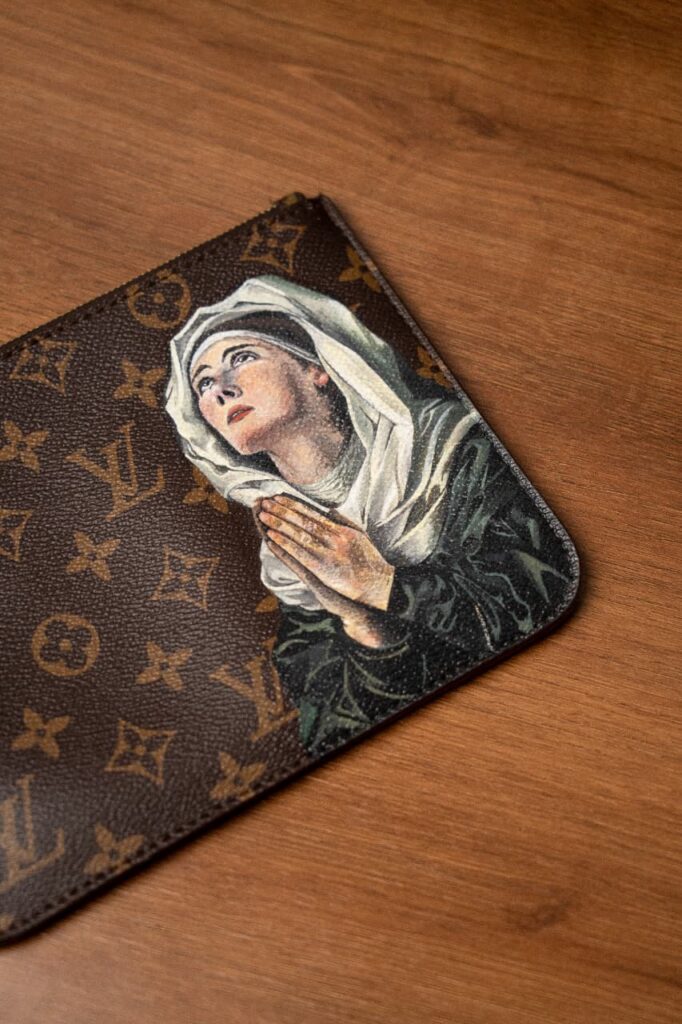
Eric’s portfolio spans across luxury pieces, cars, and wearable items. What connects these wildly different canvases is the underlying human perspective.
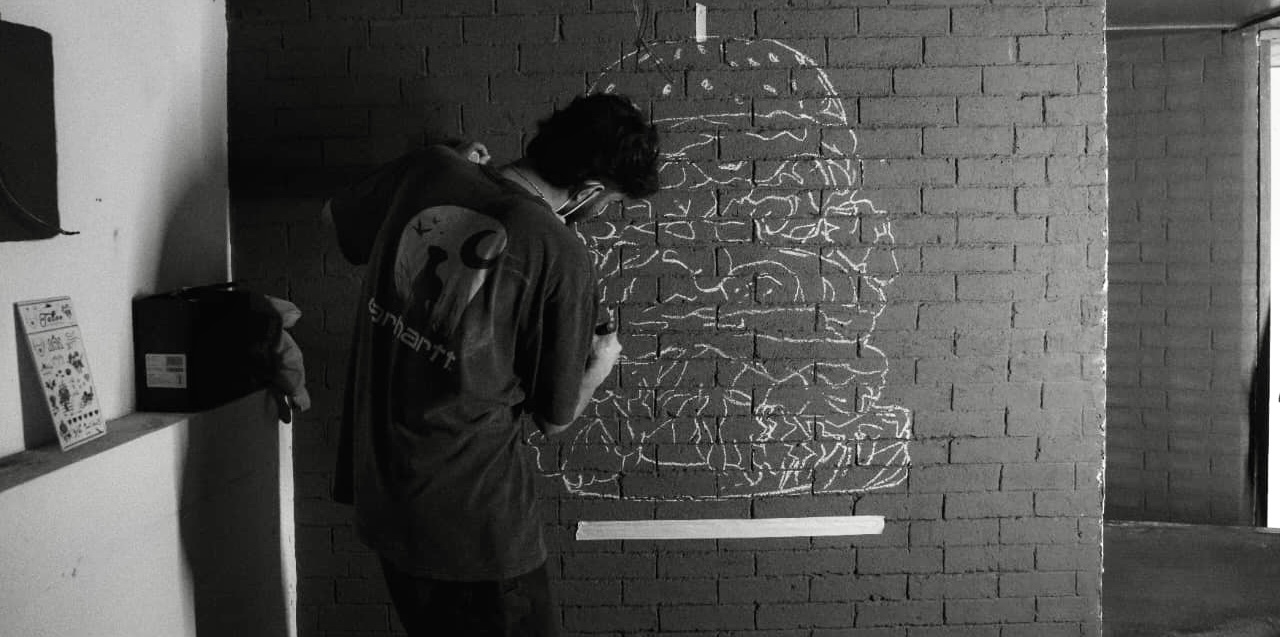
“It is a form of self-expression that reflects how an individual perceives the world,” he shares. “Whether through murals, portable products, or decorative art pieces, each creation conveys a distinct perspective and communicates how it wishes to be experienced. The ability to transform large-scale products into unique, personalized one off products is what unifies these forms for me, creating a meaningful connection between creator and audience.”
The Process Behind Personalization
Customization is collaboration, not just decoration. An artist cannot simply project their own vision onto an object that belongs to someone else without understanding the owner’s intent.
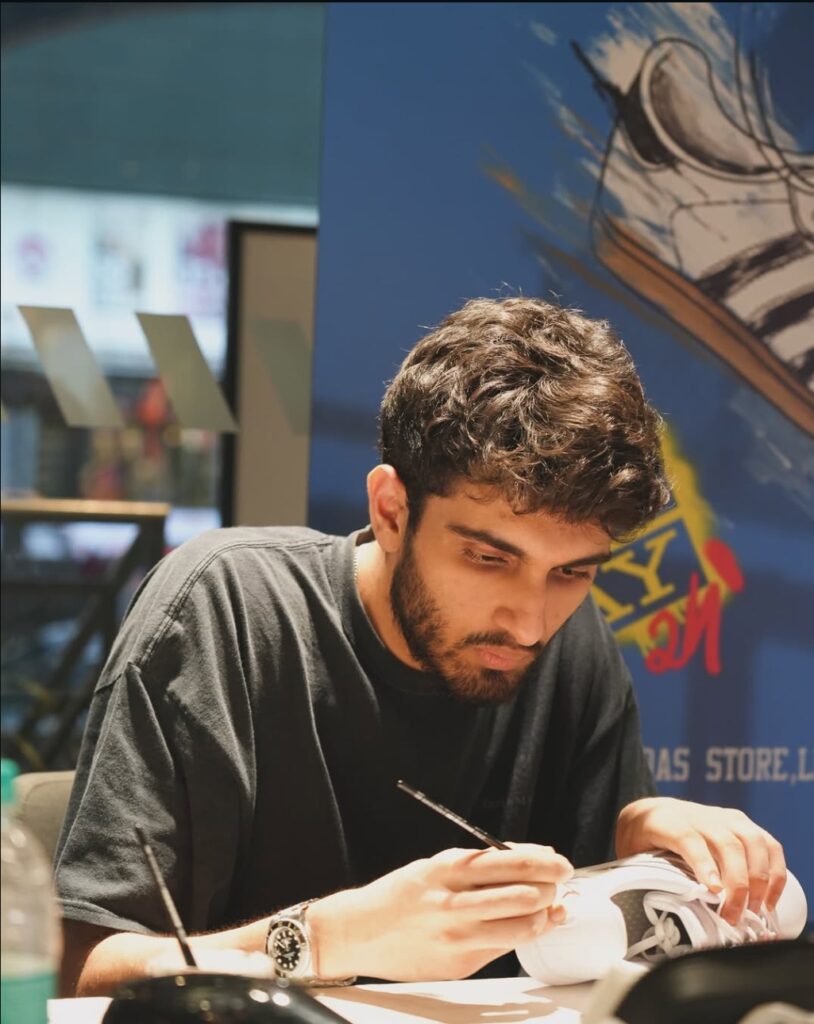
To make a piece truly resonate, there must be an active dialogue. The artist has to translate the client’s vague emotions and preferences into a tangible visual language.
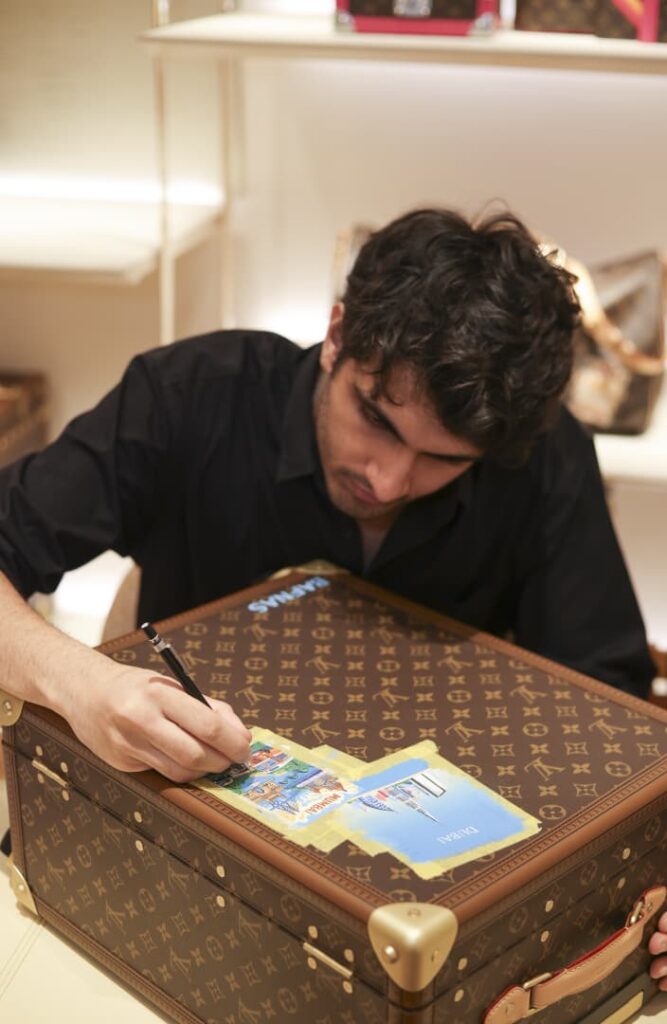
“The process ideally begins with me discussing with the client and trying to visualise the outcome that they envision, through rendering and refferencing from what they like, to the details they would want to incorporate within the said artwork, all the way to execution of the final artwork.”
Pressure, Precision, and Luxury
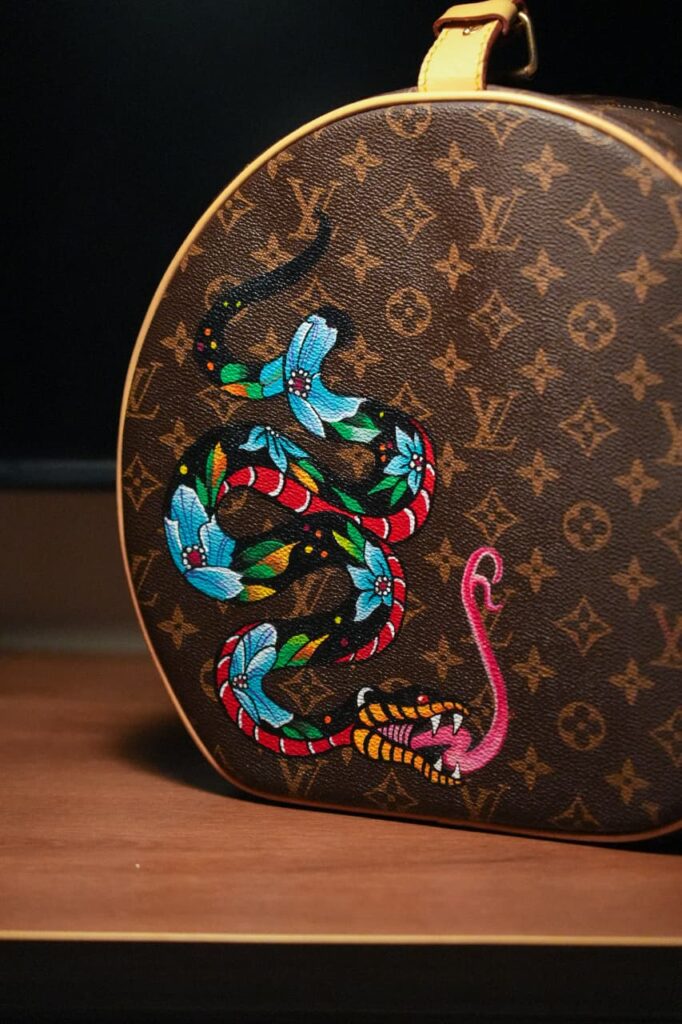
Craftsmanship becomes incredibly difficult when precision meets intense pressure. Working with premium brands demands a flawless finish. The artist has to respect the original integrity of the item while adding a completely new layer of value.
When discussing the most difficult surfaces he has worked on, Eric points to the high-stakes environment of premium collaborations.
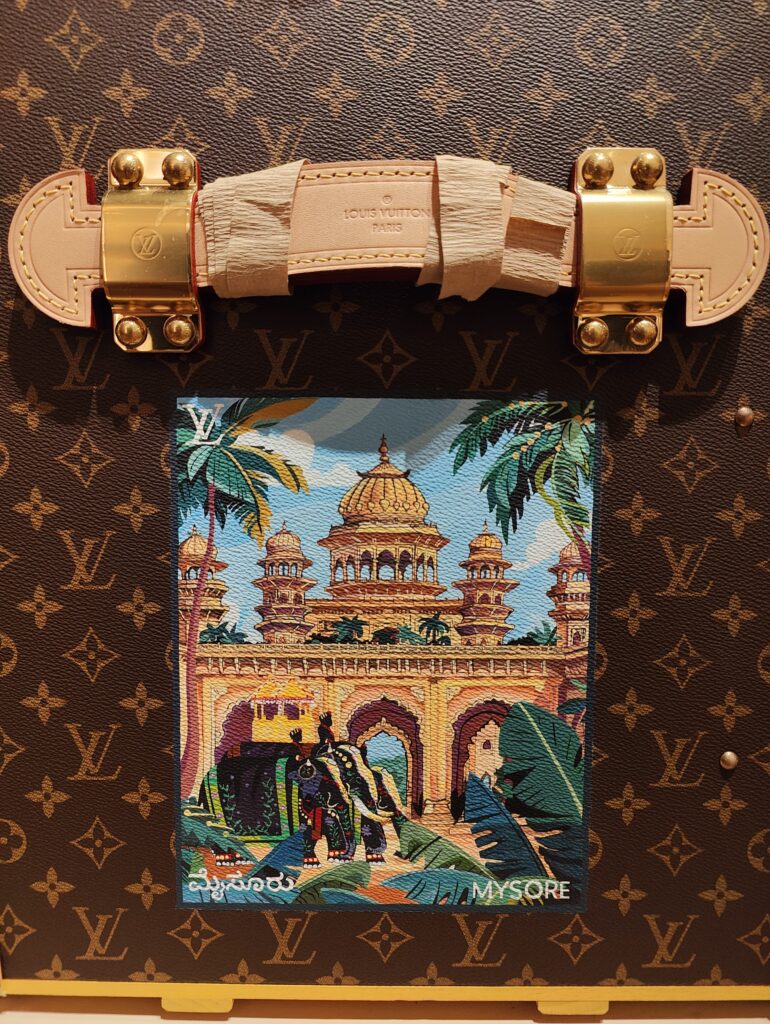
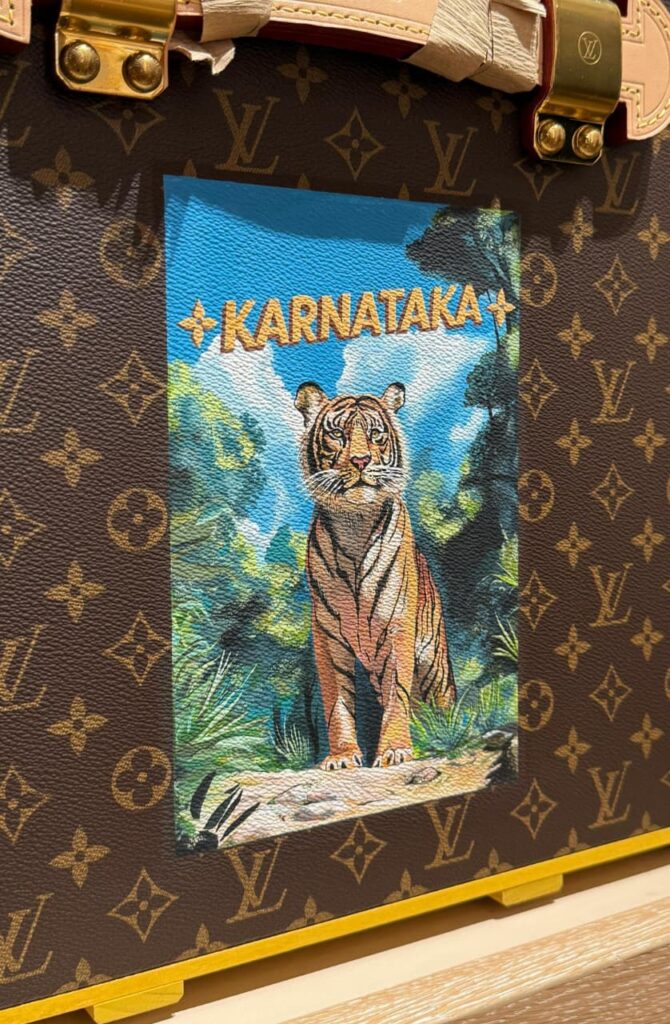
“It had to be hand painted personalization on luxury products/trunks within a set deadline for the clients, the challenging part is finished everything within a deadline and maintaining the finesse and intricacy of the artwork to match the highest standard of the brand”
Reinventing Creativity Through New Styles
Creative growth often comes from discomfort. If you only ever do what you are already good at, your work eventually becomes stagnant.
True artists force themselves into unfamiliar territories. They study new techniques and apply different visual languages to their existing foundation.
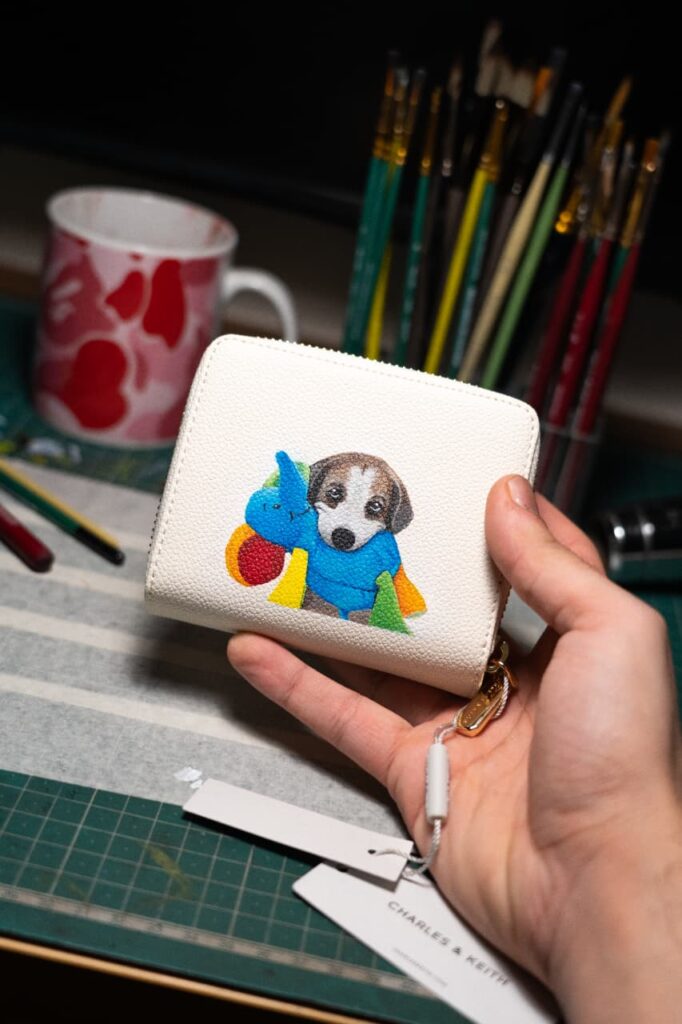
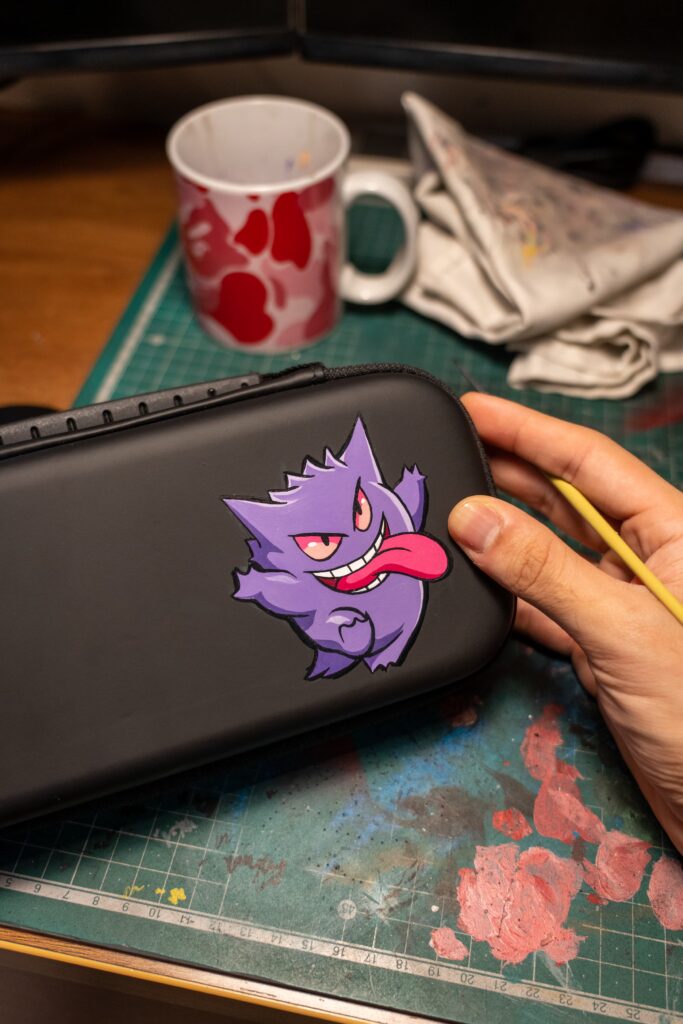
“Every time I try a new style of art that I haven’t done before it pushes me to explore newer ways i could express my creativity from artworks of realism to animated to graffiti to caricature,” Eric notes.
Staying Original in a Saturated Space
Originality is often about perspective, not just invention. As the customization space grows more crowded, simply painting on a jacket or a shoe is no longer enough to stand out.
The way an artist frames their work determines who will ultimately connect with it. Presentation shapes perception.
“I try to keep my style of creating art quite distinct but moreover the portrayal of my art is something that I have worked on for years,” he explains. “I believe that the way a product or artwork is presented plays a crucial role in reaching the appropriate audience. those who share a similar visual sensibility and perspective, thereby enabling a more meaningful connection with the right audience.”
Building Connection Through Design
The way a piece is presented dictates the emotional response it will receive. We do not just look at art; we interact with the atmosphere surrounding it.
When aesthetics are carefully curated, they act as a magnet. They draw in individuals who see the world through a similar lens. People connect deeply with designs that reflect their own internal landscapes. They are searching for a visual echo of their own thoughts and feelings.
Redefining Success
In a digital landscape obsessed with metrics, it is incredibly easy to confuse visibility with actual success. We often measure our worth by the volume of attention we receive.

However, for creatives who are deeply grounded in their practice, creative freedom matters far more than simply being seen.
When asked what success looks like to him right now, Eric answers with absolute clarity.
“It’s the ability to create freely while leaving a positive but lasting impression of the viewer”
The Brands That Shaped His Imagination
The strongest companies create an emotional identity, rather than just selling functional products. They build a culture that people actively want to belong to.
Eric draws inspiration from companies that mastered this cultural integration. He mentions Vans, BMW, Raybans, and NewEra as early influences. “All the brands I looked up to as a child which focused on creating a connection that goes beyond the functional benefits of a product.”
These names do not just represent transportation or clothing. They represent specific lifestyles, subcultures, and attitudes.
Where Creativity Is Moving Next
The future of art relies on physical interaction rather than passive observation. People want to touch, use, and live with the art they love. They want it to be a functional part of their daily routine.
Eric is currently looking toward this intersection of aesthetics and utility. “Product design and creating artsy yet functional products is something I’m experimenting with.”
The Final Proof of Identity
We spend so much time searching for genuine ways to express ourselves. We curate our spaces and select our garments with immense care, hoping that these choices will silently communicate who we are to the rest of the world.
Through the lens of customized art, we see the profound depth of this human habit. It is not just about aesthetics or showing off a rare item. It is about a deeper search for authenticity in a mass-produced society.
Maybe the reason people personalize objects is simple: we all want proof that something around us reflects who we are.
Follow Eric Fraser on Instagram

Yohaan Joseph is a 23-year-old creative shaped by experiments and unconventional ideas. Each episode in his life is shaped by sheer enthusiasm. Though not a writer by profession, he is drawn to stories and the people who carry them. His journals in this magazine reflects a simple philosophy : the right question can reveal something extraordinary.