Progress doesn’t always look like moving forward. Sometimes it looks like falling, again and again, until something finally clicks.
We often think of growth as a straight line. We expect each day to yield a better result than the last. But anyone who has dedicated their life to a physical craft knows that reality operates differently. True mastery demands patience. It requires you to sit with your failures and accept them as part of the process.
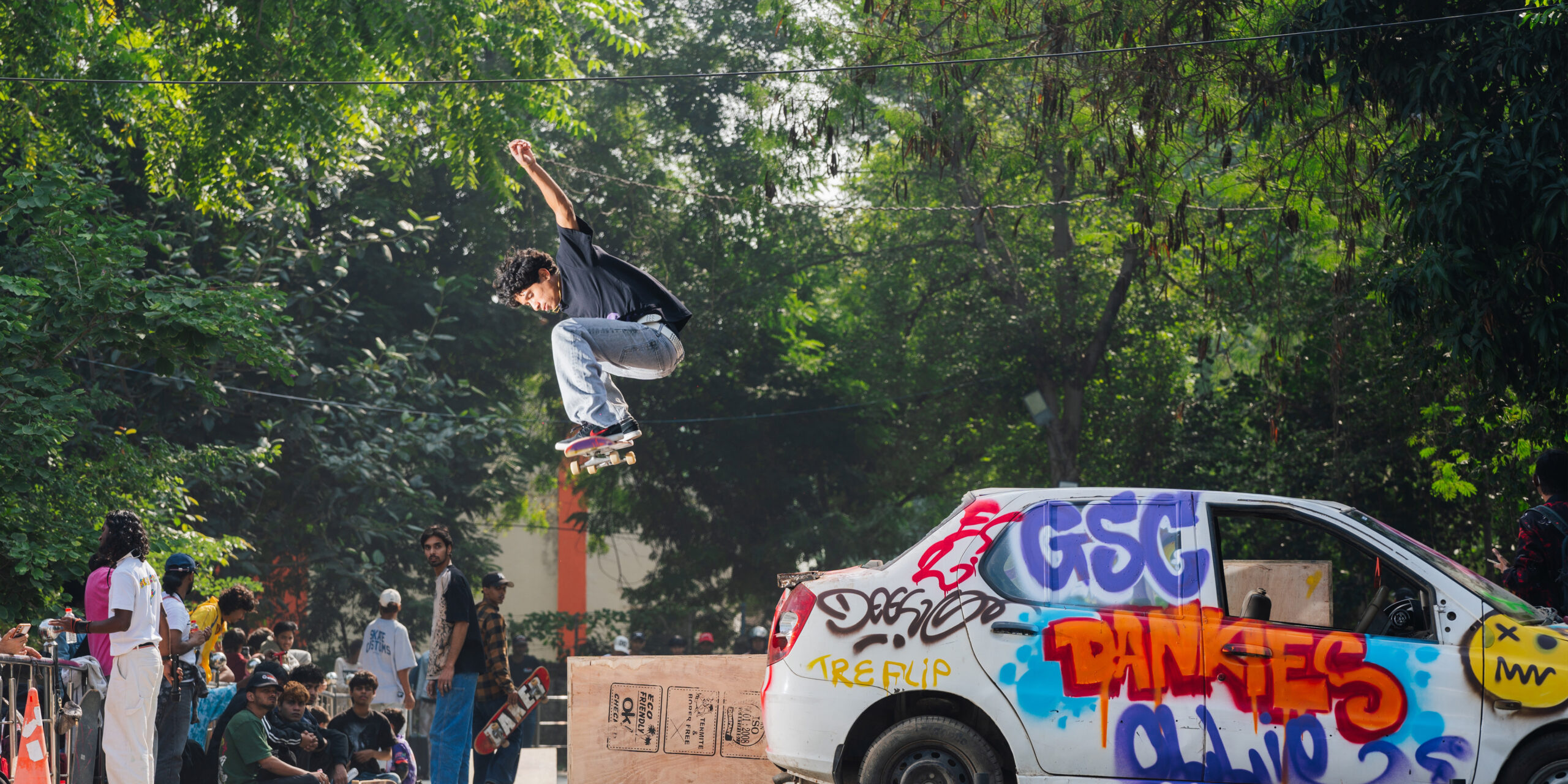
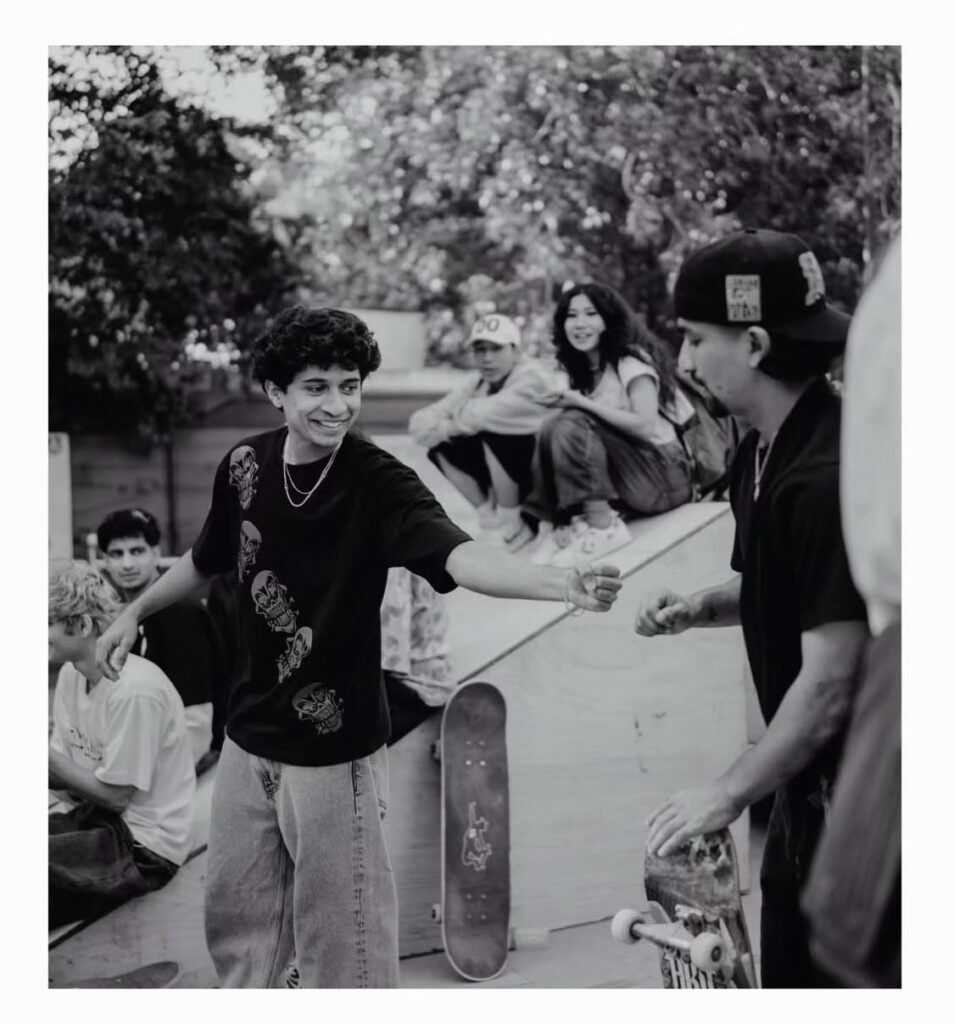
This is the hidden reality of skateboarding. Behind every clean trick posted online are countless hours of frustration. It is a culture built on concrete and persistence. You fall down, you get back up, and you try again. It strips away your ego and forces you to confront your own mental barriers.
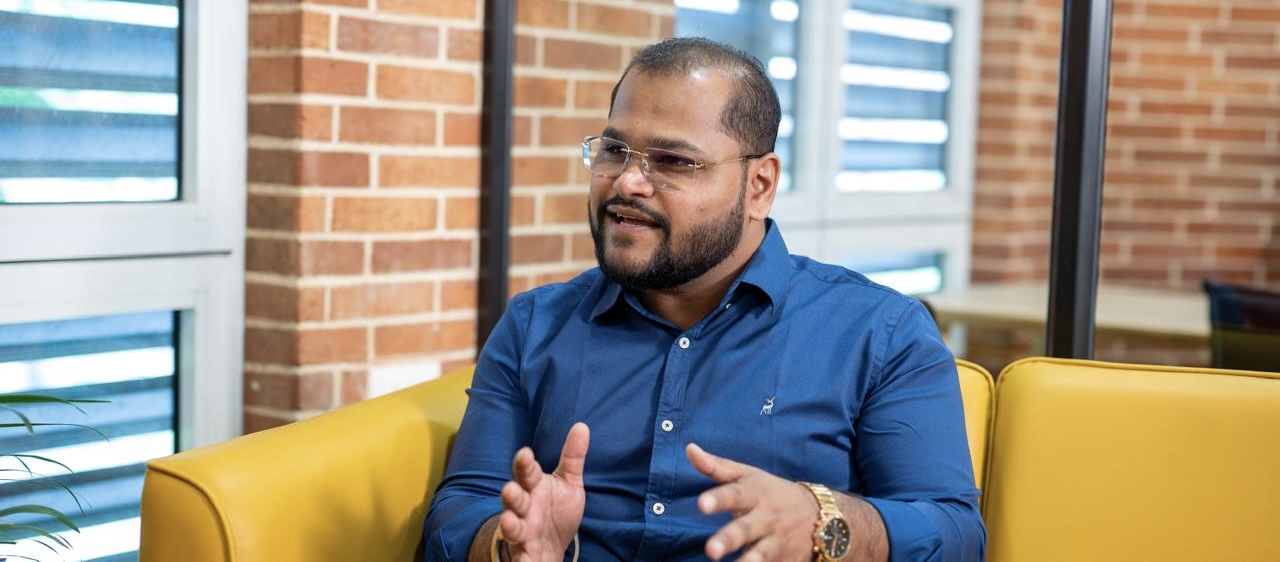
Eventually, the sport stops being something you do and becomes a part of who you are. This is exactly what happened to Yashodhan Patil. His journey reflects the quiet, internal battle that every skater faces. It is a story about finding your authentic voice, navigating pressure, and learning how to build a life around the thing you love.
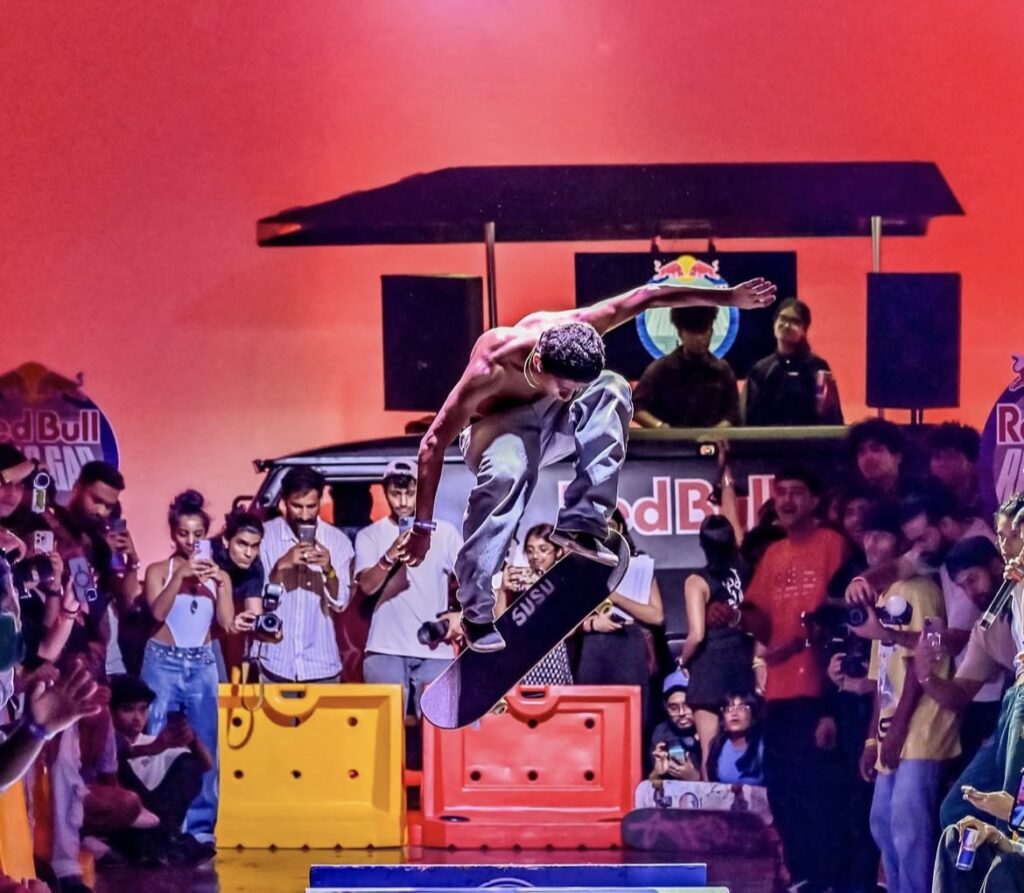
When a Hobby Becomes Identity
We all want to find a place where we belong. We start hobbies hoping they will spark a deeper passion. For most of us, those interests fade as life gets busy. For a rare few, the hobby consumes them entirely.
The transition from a casual interest to a core piece of your identity rarely happens overnight. Yet, there is usually a distinct moment when the outside world finally recognizes your dedication.
“The first time i got sponsored by a skate brand is when skateboarding became a part of my identity”
Validation from the outside world often solidifies how we see ourselves. It bridges the gap between who we think we are and who the world tells us we are.
The Reality of Starting
Before the sponsorships and the recognition, the work is quiet. The early days of any creative or physical pursuit are rarely glamorous.
You spend hours repeating the same basic motions. You fight against your own lack of coordination. But there is a raw beauty in that beginning phase. The stakes are low, and the joy of a minor breakthrough feels massive.
“Early days of skating looked like, slow progress, long sessions with my friends, but early days of skating were alot more fun compared to the days right now”
As you get better, the expectations grow. The pure joy of a slow afternoon session often gets replaced by the heavy pressure to perform. The struggle shifts from learning the basics to managing the weight of your own potential.
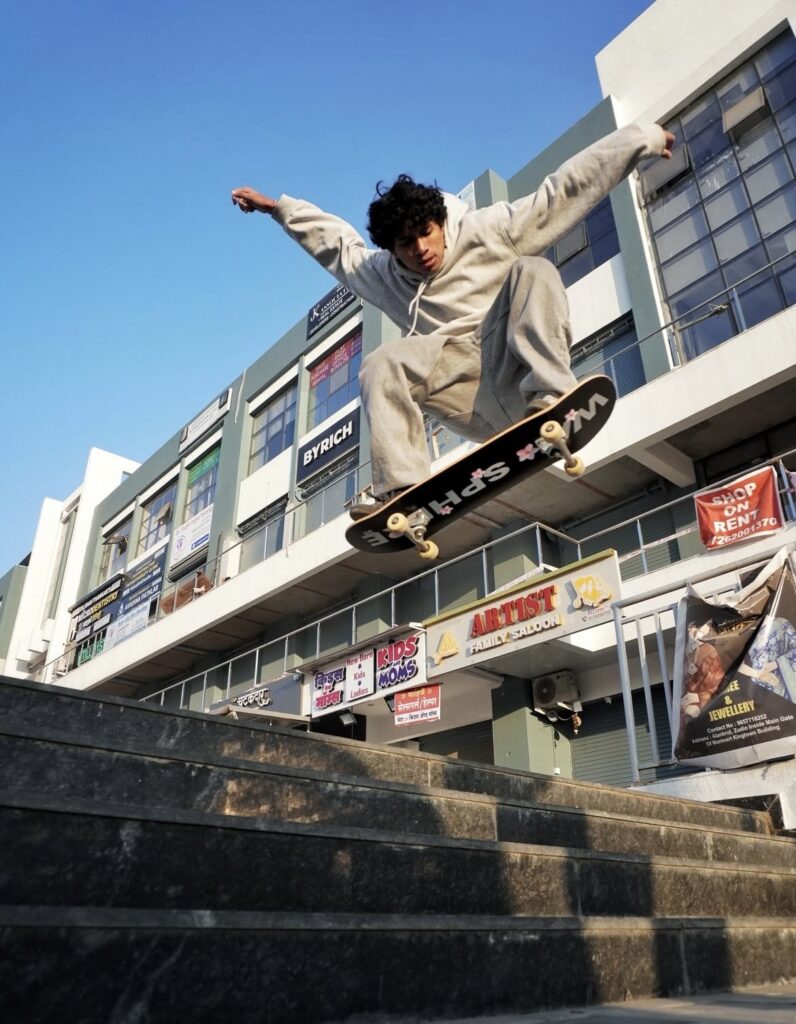
What Keeps You Going
Frustration is a filter. It separates the people who like the idea of a culture from those who actually want to live it. When you hit a wall, you need a reason to keep pushing.
For Yashodhan, that reason was always community and visual inspiration.
Watching others achieve what seems impossible shifts your perspective. It proves that the barrier can be broken. Combining that inspiration with a group of friends who share your obsession creates a safety net. You fall, they fall, and you all figure it out together. Community is the ultimate antidote to frustration.
Style Isn’t Learned
We spend so much time searching for our authentic voice. We curate our feeds and study our idols, hoping to absorb some of their magic.
But true style cannot be copied. It has to be uncovered.
“Ever since i stepped on a board I have had my own trick selection and style and never really tried to copy anyone else’s style”
Your identity is present from the very first day. It shows up in the tricks you choose to learn and the way your body naturally moves. The goal is not to look like someone else. The goal is to remove the hesitation so you can finally look like yourself.
Why Streets Matter
Skateparks are designed for success. The ramps are smooth, the angles are calculated, and the environment is controlled. The streets are entirely different.
The streets do not care if you land your trick.
“Streets have always given tough challenges to skate the spot the way it is and not give any reasons, most important is committing to every single try even tho its not as easy as skating in the skatepark”
Riding in the street forces you to adapt. You have to navigate cracked pavement, terrible angles, and unpredictable obstacles. This difficulty builds a resilient mindset. It teaches you how to stop looking for excuses and start working with whatever is in front of you.
Risk Is a Calculation
Every time you step onto a board, you are making a choice to accept risk. But that risk is rarely blind.
Fear is a natural response to danger. The way you manage that fear determines your ceiling. You have to analyze the environment and make a calculated decision.
“Most important is the run up and the landing of the spot, and I personally like skating stairs so as long as the run up and landing is long enough, im good to go”
Preparation defeats fear. If you understand the variables, you can quiet the panic in your mind. You just need enough space to start and a clear place to land.
Breaking Mental Barriers
Physical limits are often just mental limits in disguise. Your body is usually capable of much more than your brain allows it to do.
The moment you realize your fear is an illusion is the moment you unlock your true potential.
“Yes, there have been many times that i have pushed past my limits, it happens every time i realise that “its all in my head””
Skateboarding is a mental game played on a physical board. You have to convince yourself that the impossible is just a sequence of movements you haven’t mastered yet.
From Fun to Responsibility
Turning a passion into a career is a delicate process. The thing that used to be your escape suddenly becomes your job.
The dynamic fundamentally changes.
“Before it was just a hobby and like a thing I used to do in my free time, now i think of it more like my career and a very important part of my life, skateboarding now is my first priority without any doubt and with sponsors and competitions i have coming up i have to keep working hard and give skateboarding all my time and attention”
Passion becomes pressure. You have to show up even when the initial inspiration fades. It requires a deep level of maturity to protect your love for the sport while carrying the weight of professional responsibility.
Redefining Progress
We live in a culture obsessed with the new. We constantly want to see the next big trick or the next viral moment.
But true progression is much quieter.
“Progression to me not only means learning new tricks but getting consistent at tricks even if they are basic tricks or just tricks you know”
Mastery is more important than novelty. Doing the basics with absolute control shows a much deeper understanding of the craft. Consistency is the quiet hallmark of a true professional.
The Kind of Skater That Lasts
Longevity in any culture requires balance. You cannot just take from the scene. You have to give something back.
“I have always wanted to become an all round skateboarder, someone who skates all obstacles and someone who trains and prepares seriously for some competitions and has fun while skating with friends and at some jams and small skateboarding events, and more importantly a skater who gives back to the community with whatever i have”
The people who last are the ones who respect the entire ecosystem. They train hard, they cherish their friendships, and they lift up the next generation.
The Decision to Try Again
In the end, skateboarding isn’t about the trick.
It’s about the moment you decide to try again.
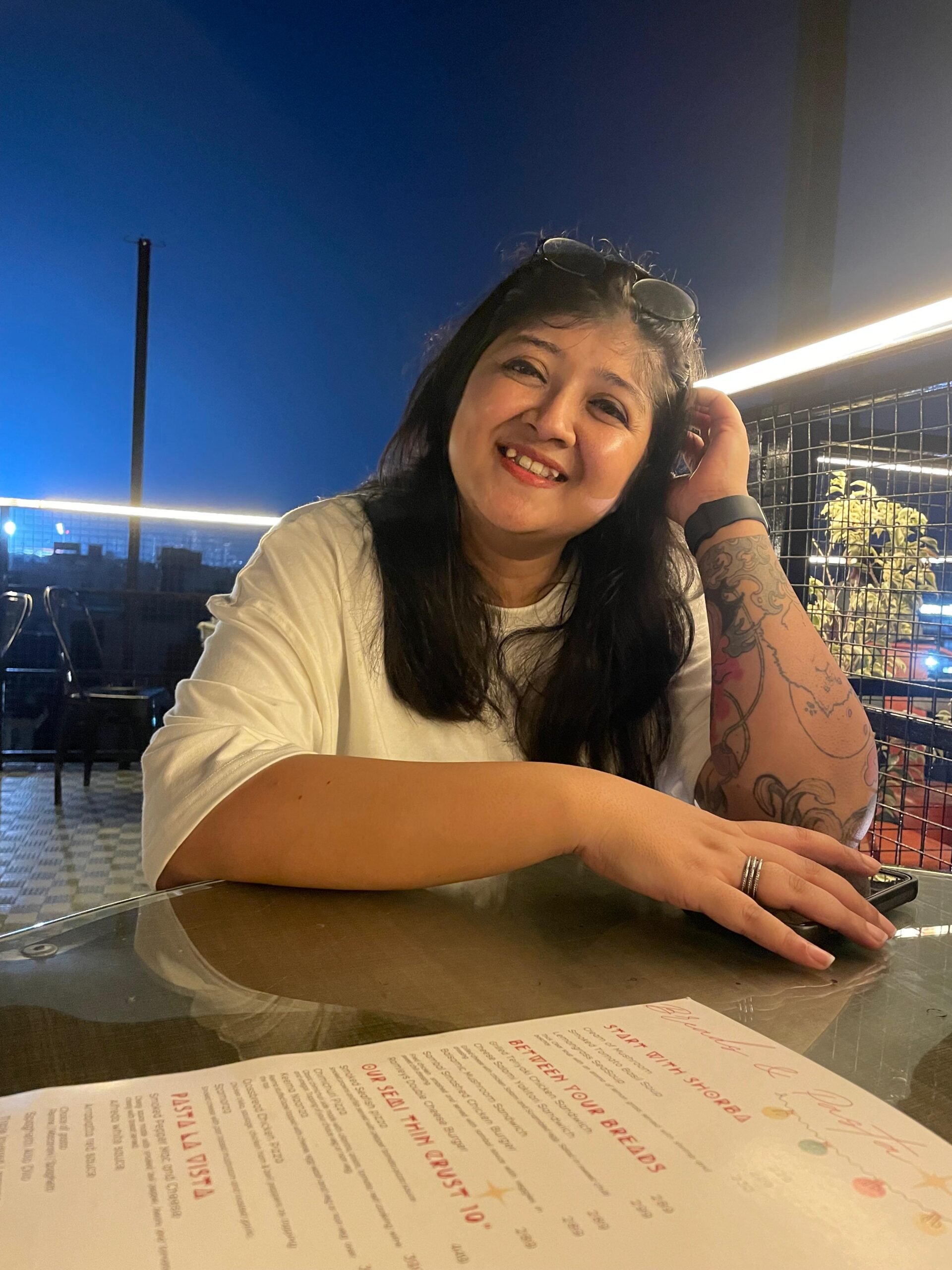
Oeshi B Lyndem is a visual artist, tattoo artist, graphic designer, and entrepreneur with a foundation in graffiti and street culture. Rooted in hands-on craft and making, her practice moves fluidly across illustration, street art, design, and experimental creative processes. With lineage from Shillong—often regarded as India’s rock capital—she carries a distinct cultural influence into her work. At Goofy Owl, she curates and leads the street and hip-hop culture segment through an intuitive, deeply creative, and entrepreneurial lens.