We spend so much of our time trying to fit our lives into perfect, curated squares on a screen. We filter our thoughts, suppress our wilder instincts, and quietly navigate the heavy lifestyle pressure that tells us to simply blend in. But deep down, many of us are actively searching for a spark. We want to feel something authentic. We want to know what happens when we stop asking for permission and start claiming our own space in the world.
For Selwyn, a foundational graffiti artist from the misty, music-drenched hills of Shillong, that spark arrived with freezing fingers and a massive adrenaline rush.
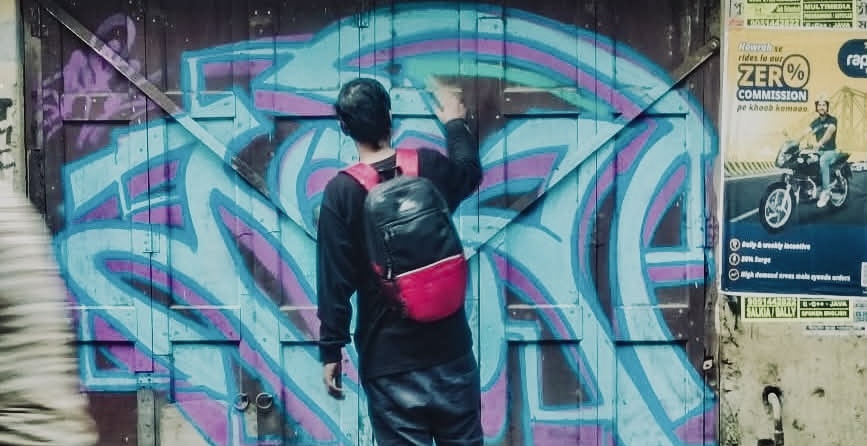
It was the winter of 2012. Selwyn and his friend REMS decided to hit a local school wall. The air was biting, but the physical thrill of the moment eclipsed the cold. When they finished their pieces, they instantly had to sprint away to avoid the cops. Looking back, Selwyn realizes that moment shifted something deep inside him. It felt entirely different from sketching quietly in a bedroom. Suddenly, their lives felt like they mattered more than just finishing the art. They were alive.
We recently sat down with Selwyn to explore his fascinating journey of self-discovery. From drawing school projects for friends to navigating the impermanence of street art, his story is a raw, powerful reminder of why we must all find our authentic voice. If you are trying to break out of a monotonous routine and unlock your true potential, Selwyn’s philosophy on art, culture, and courage will deeply inspire you.
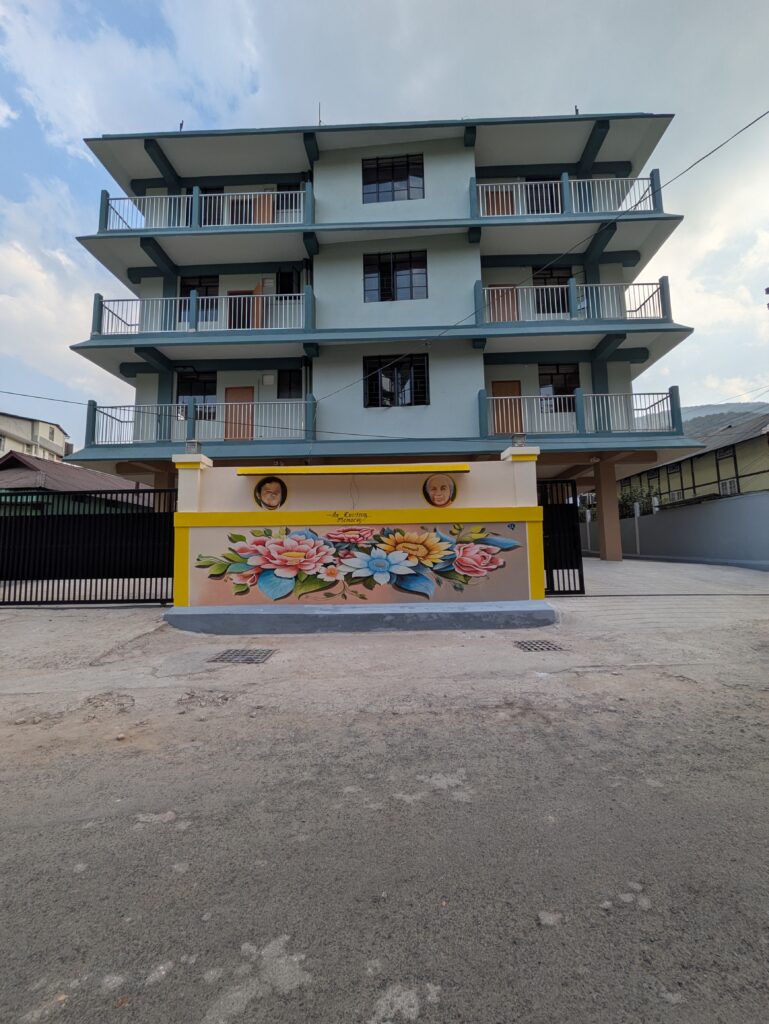
The Organic Spark Before the Internet
When we think of graffiti, we instantly think of rebellion. We picture anti-establishment slogans and aggressive lettering. But for Selwyn, the pull toward the wall was far more organic and innocent.
If you trace his roots back to the years between 2010 and 2012, you will not find a teenager furiously plotting a cultural revolution. You will find a kid helping his friends with their homework. During those years, Shillong had very limited access to the internet. Instead of scrolling for inspiration, Selwyn became the go-to artist for his peers. His friends would ask him to draw the diagrams for their science and moral science projects.
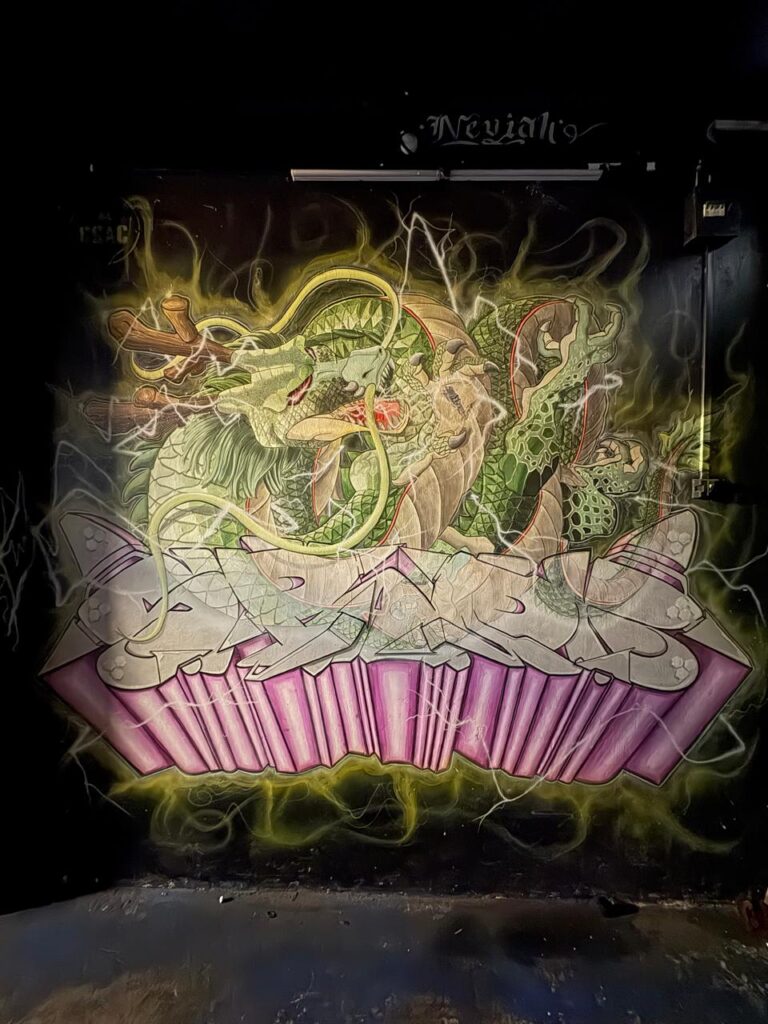
Around the same time, these friends started introducing him to the booming world of hip-hop music. They brought him physical album covers, showcasing the bold, unapologetic art that defined the genre. That visual and musical collision pulled him in completely. It was not about vandalism; it was about the mesmerizing power of expression. He wanted to recreate that energy with his own hands.
Painting the Blank Canvas of the Rock Capital
Shillong is widely celebrated as the rock and roll capital of India. It has a rich, thumping musical legacy. But visually, the streets used to tell a different story. When Selwyn first started looking at the walls of his city, they were essentially blank.
“With just a few tags around the city by STIG, Shillong was simple,” Selwyn recalls. The concept of creating art in the public eye was completely foreign to the local community. The early days of painting in Shillong required massive emotional resilience. Many local artists could not even imagine that painting was possible outside the safe confines of a bedroom, an institution, or an organized workshop.
Stepping outside with a spray can brought a heavy wave of fear and judgment. When you do something that has never been done in your community, people will naturally stare. But by pushing past that initial discomfort, Selwyn carved out a space not just for himself, but for every artist who followed in his footsteps.
The Ripple Effect of a Small Hill Station
The environment you create in heavily dictates the art you produce. For a graffiti artist, the city itself becomes a vital collaborator. Selwyn notes that his process always comes down to three crucial factors: location, location, location.
The spot they pick directly influences the impact of the piece. Because Shillong is a relatively small, tight-knit hill station, everyone knows everyone. A massive piece of graffiti does not just fade into the background noise like it might in a sprawling metropolis. It demands attention.
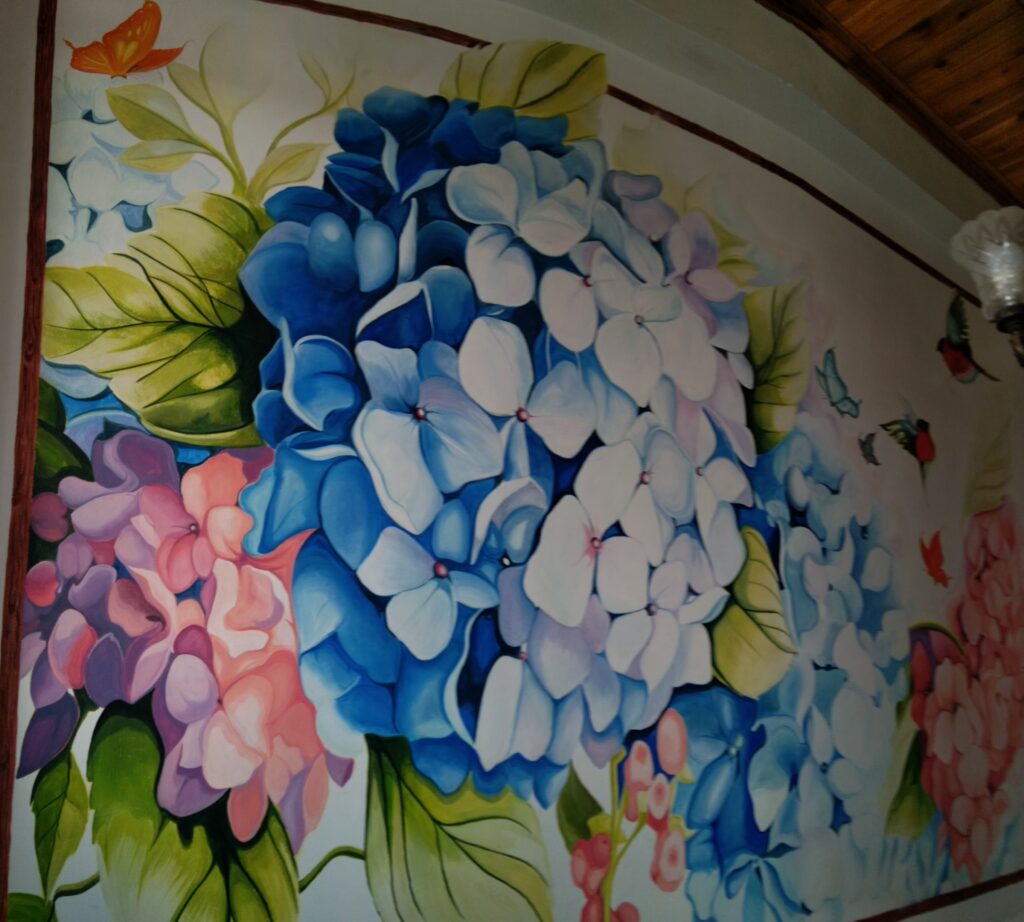
When Selwyn paints, a beautiful community interaction takes place. Passersby stop and ask questions. They want to know who did it. They ask, “Can we join you?” or confess, “I’ve been thinking the same but never had the courage to do it.”
This creates a profound ripple effect across the city. By simply taking up space and doing the work publicly, Selwyn gives other quietly creative souls the permission to explore their own passions. He invites them to connect with like-minded souls and join the journey of self-discovery.
The Physicality of a Larger-Than-Life Canvas
Why trade a comfortable desk for a rough, dirty concrete wall? For Selwyn, the answer is incredibly simple: it makes you feel alive.
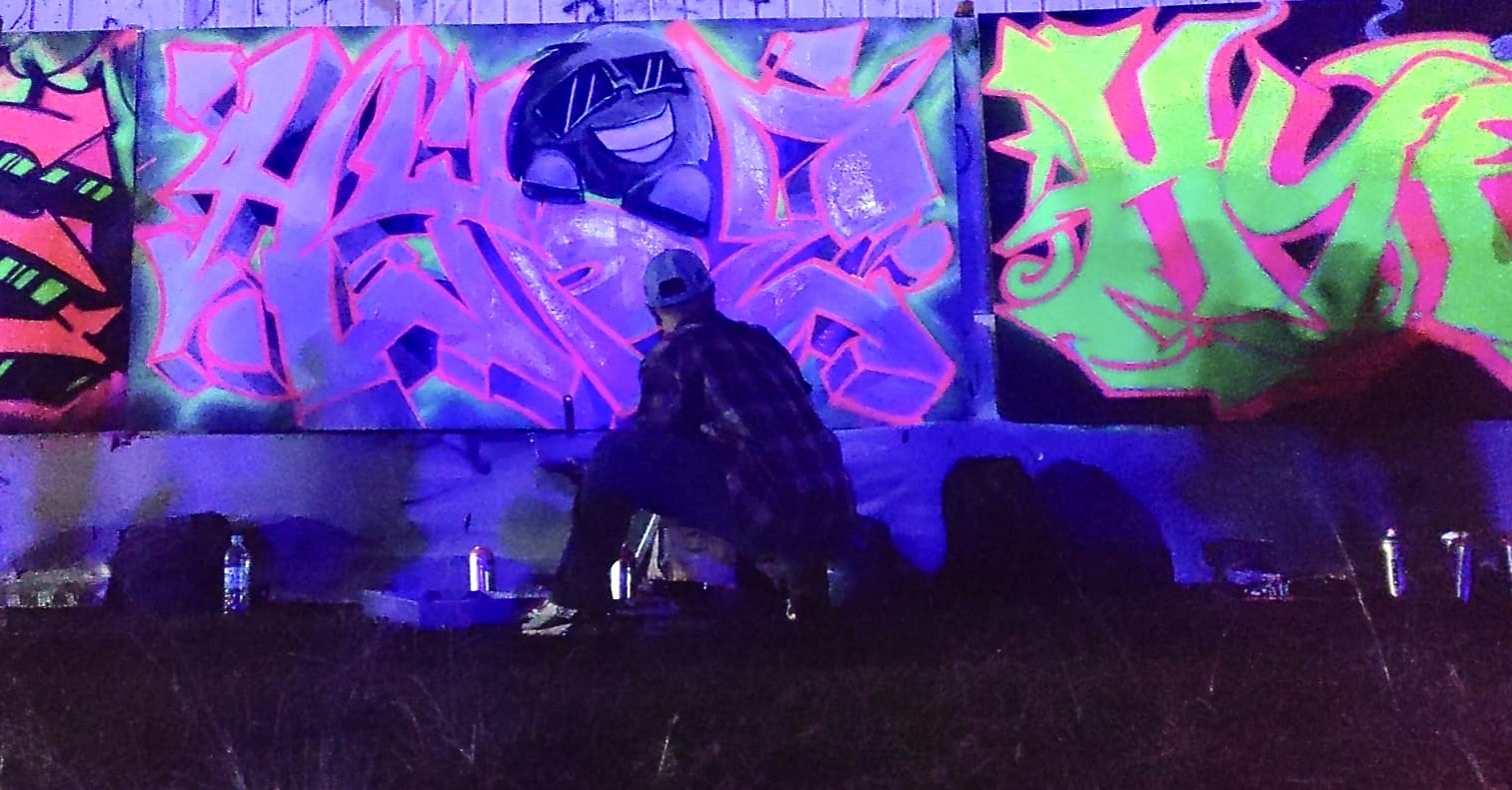
We live in an era where most of our work happens while hunched over laptops and glowing screens. But time spent on a wall is a whole-body utility. You are stretching, climbing, crouching, and moving dynamically for six to nine hours at a time. The canvas is literally larger than life.
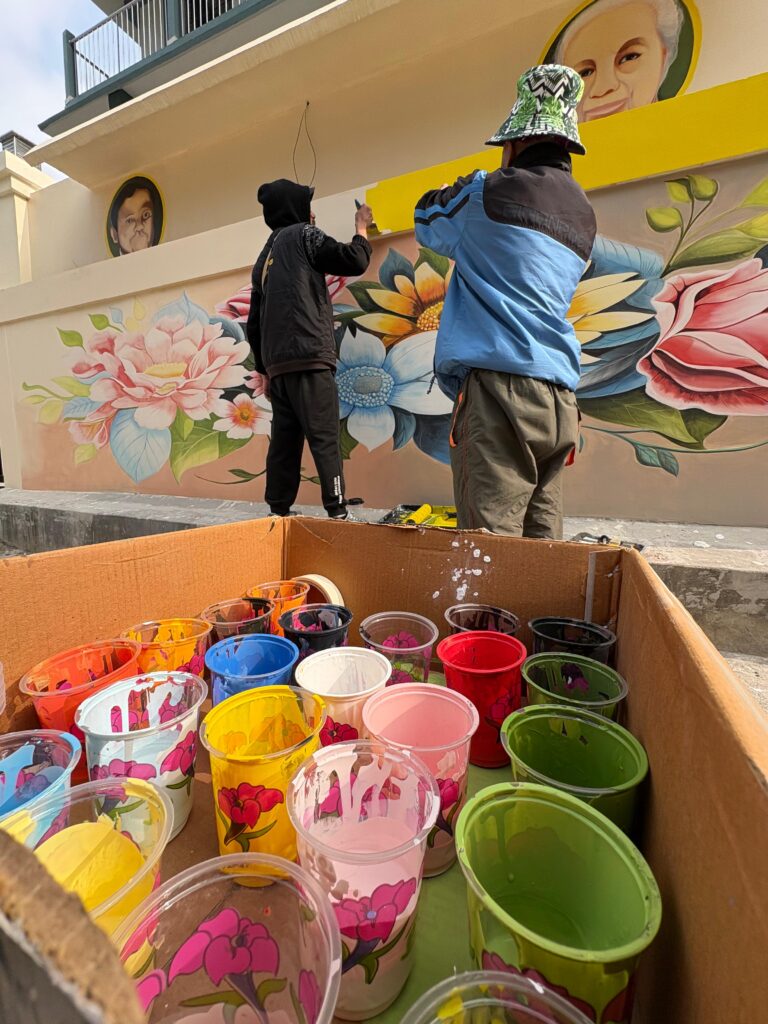
This intense physicality rips you out of your daily routine. Furthermore, it completely shatters the isolation of the modern artist. Being out in the open allows Selwyn to interact with people as he works, actively sharing his journey and real-time experience with his city.
Embracing the Fade: The Power of Impermanence
One of the hardest concepts for any creator to accept is the destruction of their work. Graffiti is inherently temporary. It gets scrubbed off, aggressively painted over, or simply ignored as the city evolves. How does an artist build a relationship with a craft that is guaranteed to disappear?
Selwyn’s perspective on this impermanence is a masterclass in emotional freedom.
“I do a new one,” he states simply. “A better one. The next piece is the next step. Keep moving forward.”
He understands that things naturally fade with time. Nothing is permanent in this world, not even the artist himself. Instead of clinging to the past or mourning a lost mural, he uses the temporary nature of graffiti as a mirror for his inner self. The art shapes how he projects his identity outside of his own mind. When one piece vanishes, it simply clears the runway for his next evolution.
Rooted in Ancestral Courage
As graffiti slowly becomes more accepted and aestheticized by mainstream culture, it runs the risk of losing its raw edge. Many street art scenes eventually become heavily commercialized. When asked what parts of the culture he feels strongly about protecting, Selwyn points directly back to his roots.
He believes the secret lies in staying disciplined and fiercely original to your personal craft and cultural beliefs. He draws massive inspiration from his heritage, specifically citing the Khasi teaching: Mait sha phrang khlur Ka ri.
This phrase roughly translates to moving ahead with courage, bravery, and wit.
For Selwyn, authenticity is not a trend; it is a profound cultural responsibility. He believes that if every artist individually follows this path of bravery and originality, the culture protects itself naturally. They carry the belief that their ancestors are looking after them and guiding their hands. It perfectly blends the raw rebellion of hip-hop with the deep, grounding roots of indigenous wisdom.
The Hunt for Freedom
There are no massive paychecks waiting at the end of most graffiti sessions. There are no glamorous award ceremonies. So, what keeps an artist going back to the concrete, night after night?
“The Hunt!” Selwyn declares. “The feeling of freedom.”
He actively seeks out the sight of a good-looking wall in a prime location. He wants to inject color into the midst of all the daily chaos, the corporate monopoly, and the monotonous work cycles that drain our collective energy.
His art is ultimately a gift to the people. He paints to share, to inspire, and to trigger a new way of thinking. He wants to implant an idea into the minds of the people walking past his walls. In his eyes, art is not just decoration. Art is a vital weapon for the next evolution of artists.
If you are feeling trapped by the expectations of a hyper-curated society, take a moment to absorb Selwyn’s mindset. Stop worrying about permanence. Stop seeking validation from the crowd. Grab whatever tools you have, find your own blank wall, and move forward with absolute courage.
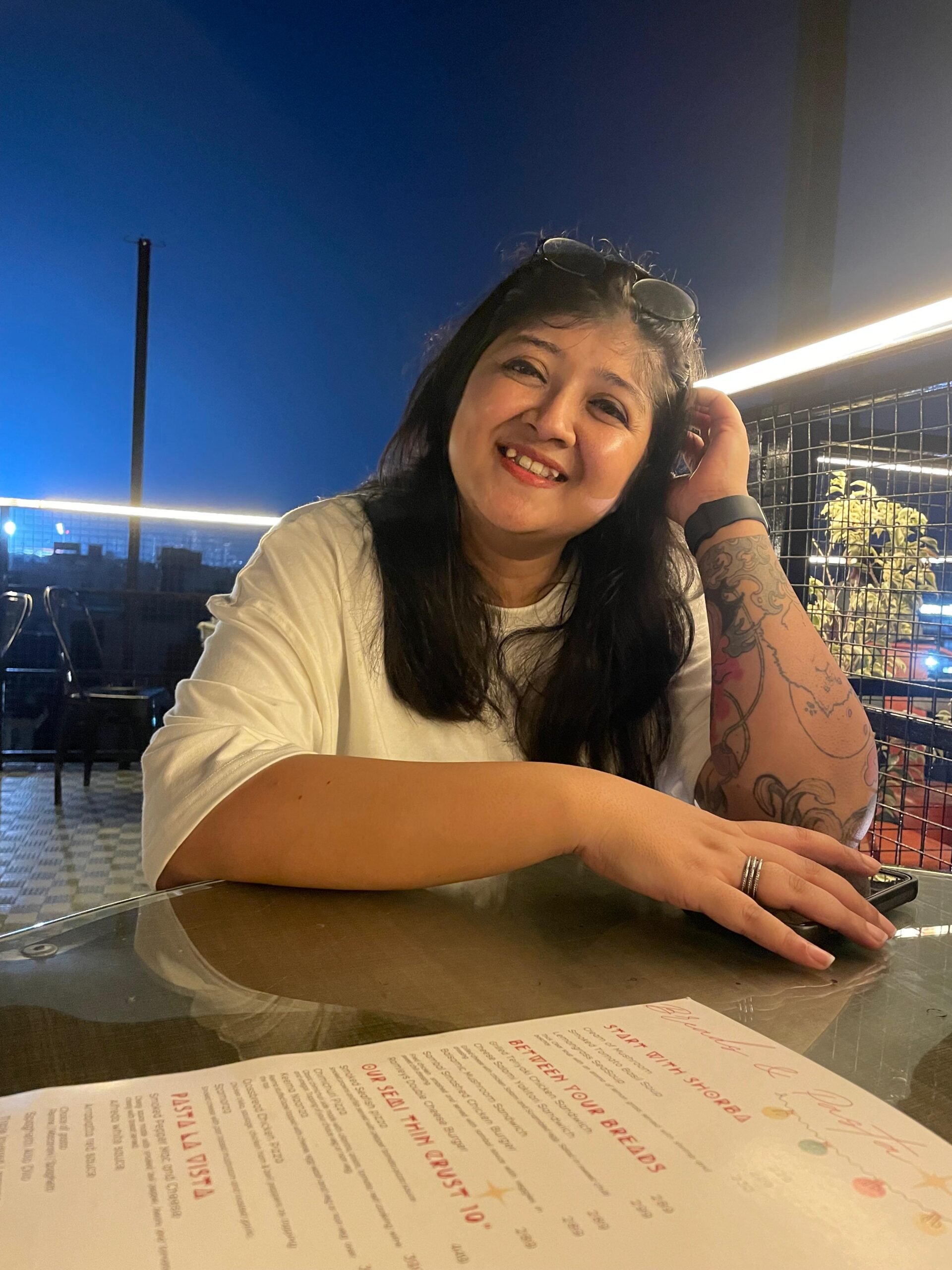
Oeshi B Lyndem is a visual artist, tattoo artist, graphic designer, and entrepreneur with a foundation in graffiti and street culture. Rooted in hands-on craft and making, her practice moves fluidly across illustration, street art, design, and experimental creative processes. With lineage from Shillong—often regarded as India’s rock capital—she carries a distinct cultural influence into her work. At Goofy Owl, she curates and leads the street and hip-hop culture segment through an intuitive, deeply creative, and entrepreneurial lens.