We all crave spaces where we can simply exist without pretending to be someone else. We spend so much energy trying to fit into predefined molds, searching for a spark that makes us feel alive. But what happens when the space you need does not even exist yet? What do you do when the culture you want to belong to has not been built in your country?
You build it yourself.
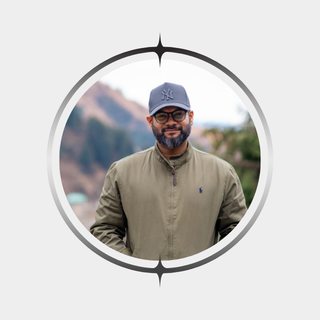
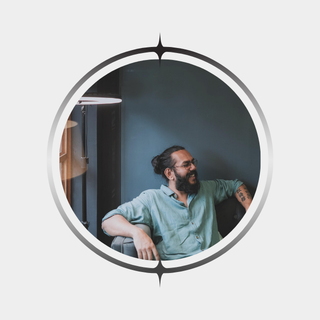
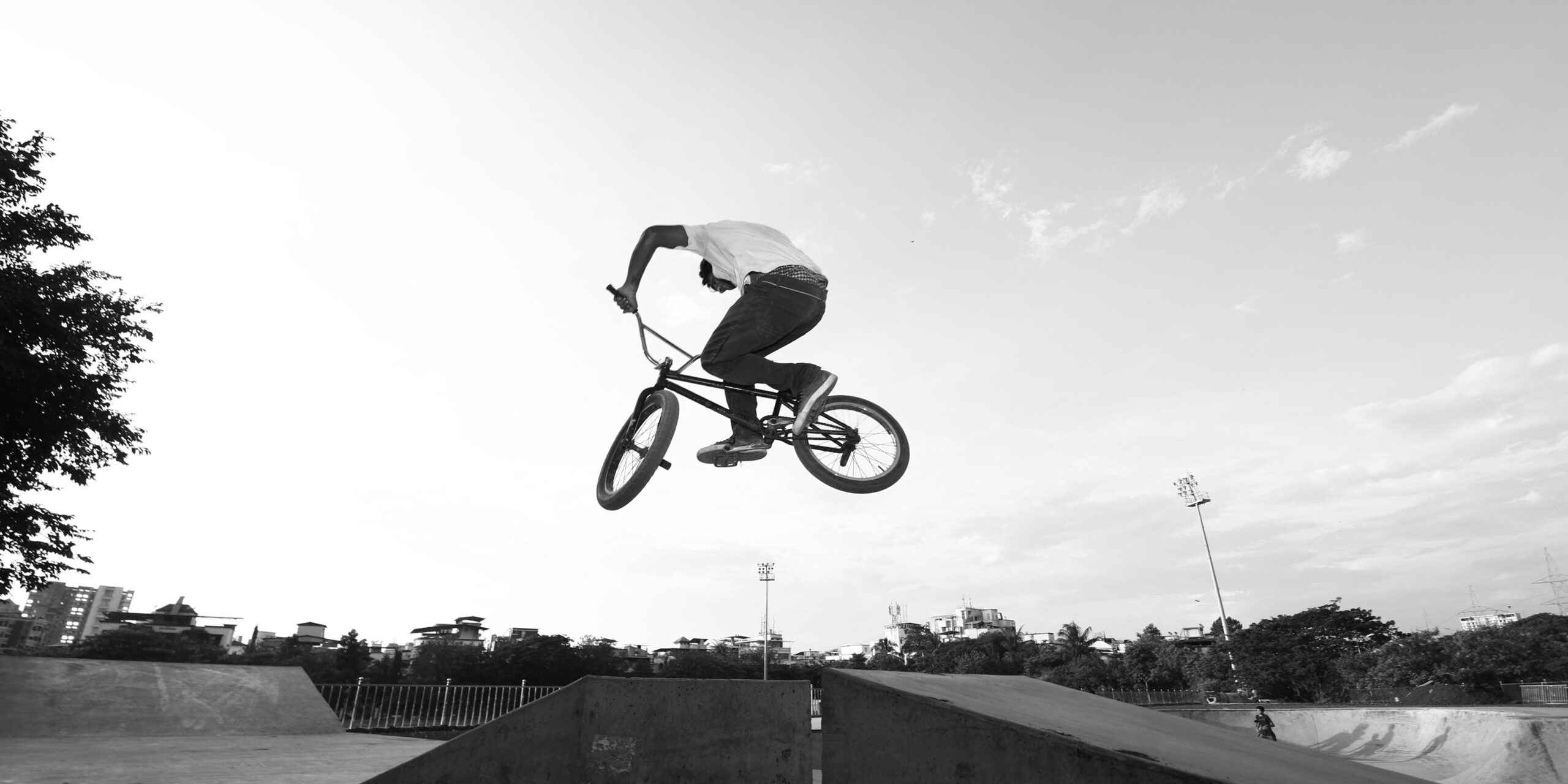
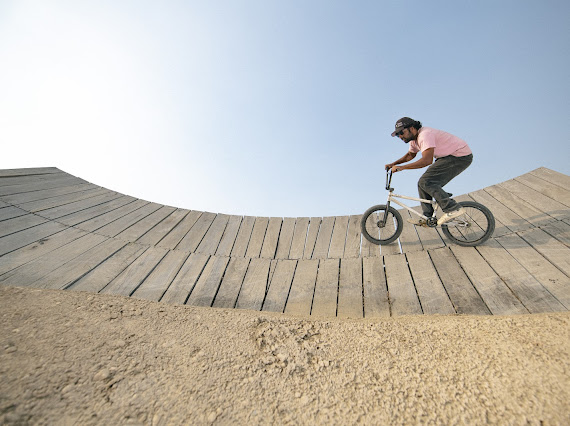
For Dhroov Rajpal, a BMX rider and skatepark designer with over fourteen years of experience, waiting around was never an option. Long before extreme sports became trendy social media aesthetics, Dhroov was out on the streets of Mumbai, figuring out how to keep his bike—and his passion—intact.
We sat down with Dhroov to trace his incredible journey from the gritty, DIY days of Indian BMX to his current role building the country’s most vital action sports infrastructure with 100 Ramps Skateparks and Krut pumptracks. If you are trying to find your authentic voice and wondering what it takes to build a life around what you love, you will be inspired by his real stories of resilience and community.
Scraping By in the Golden Age of Street Riding
Imagine trying to master a sport when you cannot even buy the basic equipment. Back in 2010, the Indian action sports scene was practically non-existent. There were no polished skateparks. There were no online stores delivering pristine bike parts to your doorstep in two days.
Getting your hands on a BMX bike was a massive hurdle. Dhroov remembers this era vividly. The entire community gravitated toward Gear – The Bike Shop in Bandra, Mumbai, owned by Rahul Mulani. Mulani was one of the few seniors bringing bikes into the country, holding the fragile, emerging community together.
When the bikes finally arrived, the next question immediately hit them: Where do we ride?
“So we took on the streets,” Dhroov recalls. “We practiced on roads, pavements, and anything that looked like a stunt could be pulled there.” This raw approach meant frequent run-ins with the authorities, ending up in police chowkis for supposed vandalism.
Maintaining the bikes required intense creativity. When parts broke, you could not just order replacements. If you needed grips, you bought cheap plastic ones from a local market and wrapped them in cloth or rubber tubes. If your tires popped, you bought local tubes and dealt with a puncture every two minutes. It was incredibly crude, but it built a deeply rooted foundation. The struggle forced them to appreciate every single moment they spent on their bikes.
Finding Freedom and a Real Tribe
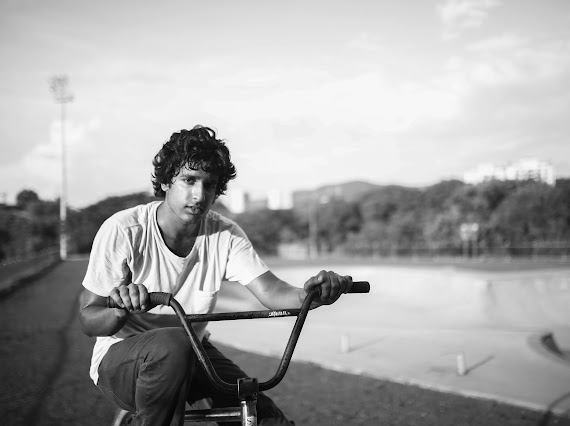
When you navigate self-worth as a teenager, finding a community that truly understands you changes your entire trajectory. For Dhroov, that turning point came at thirteen years old when he joined the Mascot BMX crew.
“You could imagine what it would mean for a 13-year-old child,” he shares. “It was freedom on levels I could not express even at home. I did not have the means to even understand that I was living in the golden age.”
Riding with a team of individuals who shared his exact obsession for street riding provided a profound sense of belonging. They learned by mimicking what they saw in international YouTube videos. They visualized obstacles, figured out the physics through trial and error, and slowly developed their own unique styles.
Beyond just learning technical tricks, BMX offered Dhroov something much deeper. “It’s freedom beyond apprehension,” he explains. “It gave me the confidence and the capability to face this world with a huge smile.” It was never just about landing a trick. It was about the music, the culture, the shared struggle, and connecting with like-minded souls who shared his unyielding obsession.
Designing the Dream: From 100 Ramps to Krut Pumptracks
As Dhroov grew, so did the Indian scene. Down south, collectives like Holystoked were pushing for accessible skateboarding spaces. This movement eventually birthed 100 Ramps, the skatepark construction company responsible for building over 95 percent of the skateparks in India today.
In 2016, Dhroov met Shakenbake, the chief operating officer and lead craftsman of 100 Ramps Skateparks. When offered a job, Dhroov accepted without hesitation. The cause felt entirely real and full of purpose.
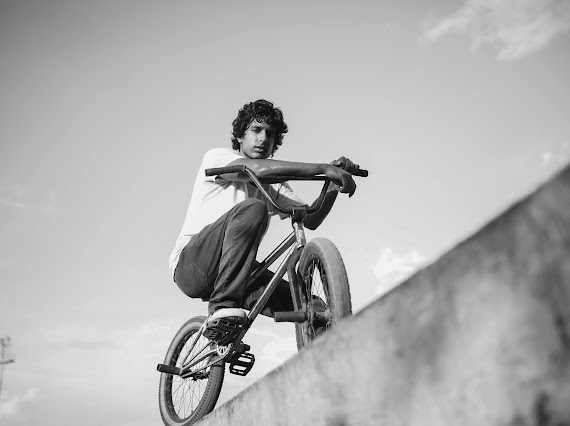
Today, Dhroov gets to build the exact parks he used to watch enviously on YouTube as a kid. Working under the leadership of CEO Darius Bharucha, the team shoulders the immense weight of progressing the country’s action sports infrastructure.
It is also a deeply personal mission. After his father passed away six years ago, Dhroov had to step up to put food on the table for his family. Thanks to his fiercely supportive mother, he was able to do so while working a job he genuinely loves.
Now, he is expanding his horizons by building pump tracks with Krut pumptracks, introducing a completely new category of riding to India. “The child in me is satisfied every day knowing I am exactly doing what I wanted to,” he says. He took his passion and turned it into a tangible legacy.
Navigating the Noise of Social Media Clout
While the physical infrastructure in India has drastically improved, the cultural shift has introduced new frustrations. Today, kids can buy a bike online and head to a local skatepark within a 100-kilometer radius. But this accessibility has fostered a strange sense of entitlement.
For Dhroov, the monetization of Instagram reels and TikTok dramatically altered the vibe of the community. “Every BMX rider now wants to have reels on their page as a certification,” he notes. “People forget that fake flex, mediocre skills, and your dream of making money and fame don’t create communities.”
Designing skateparks for this new generation is often stressful. Younger riders frequently demand complex, mainstream designs, sometimes taking to social media to complain if a park does not meet their exact aesthetic expectations. Dont forget, It is fun to build things yourself that you find interesting and you know will fit to your style. And even in a bad design there are always some things that you can do to have fun.
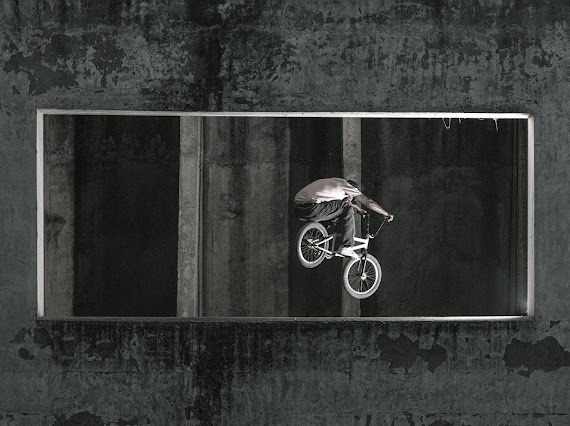
Yet, Dhroov remains grounded. He knows that true progression is not measured in viral views. The early days of filming full-length video tapes set a real standard of riding. Those tapes were historical documents that riders used to genuinely evolve. While the landscape is changing, the core truth remains: it is the audacity of an ambitious human that actually moves things forward.
The Legacy of a Real Rider: Rules for the Next Generation
Despite the cultural shifts, Dhroov refuses to give up on the sport or act like he is doing the scene a favor. He views his work as a privilege. Watching excited children thank their parents for bringing them to a park he built brings him a profound joy that transcends personal achievement.
For the younger riders stepping into a scene that is vastly different from the one he started in, Dhroov offers a powerful blueprint to unlock your true potential:
Rule 1: Have immense amounts of fun.
Never lose sight of why you picked up the bike or the board in the first place. Joy is the ultimate fuel.
Rule 2: Do not let people tell you what you cannot do.
Be entirely original. Work on the things that come naturally to you instead of blindly following the current trend.
Rule 3: Be nice to everyone.
It does not matter how good your skills get. Nobody owes you anything for getting better at your craft. Stay humble.
Rule 4: Do not push other people away.
Dhroov admits he made this mistake when he was younger, feeling like he was too cool for others. “Don’t make that mistake,” he urges. “You’re literally just a little human in a universe bigger than life. Be nice and let people experience the beauty of the sport.”
Dhroov Rajpal proves that authentic living requires grit, patience, and a willingness to build the table when you are not given a seat. Whether you ride a bike, paint canvases, or write code, his journey reminds us all to ditch the fake flex and focus on creating something that actually lasts.
Follow Dhroov on Instagram
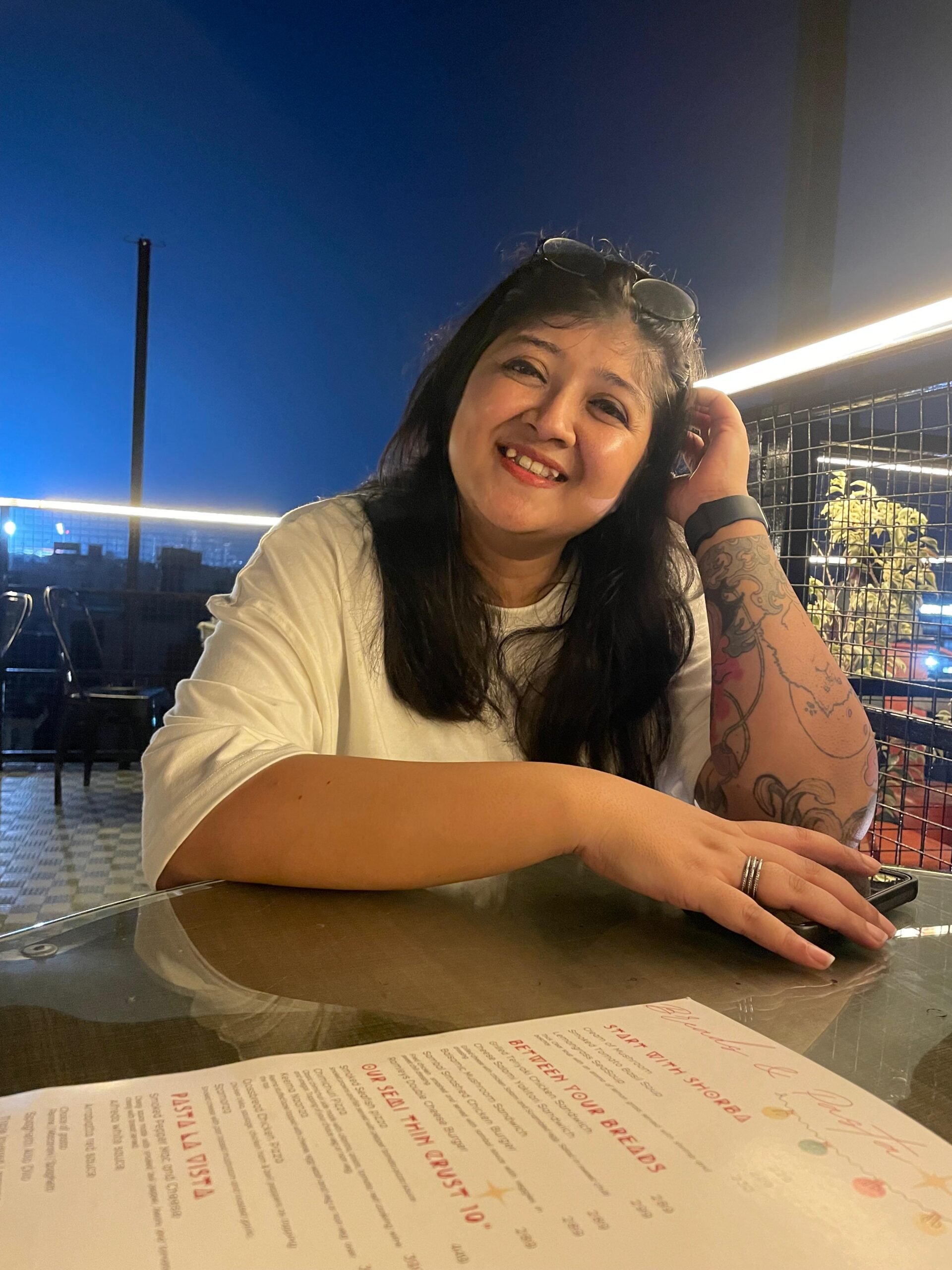
Oeshi B Lyndem is a visual artist, tattoo artist, graphic designer, and entrepreneur with a foundation in graffiti and street culture. Rooted in hands-on craft and making, her practice moves fluidly across illustration, street art, design, and experimental creative processes. With lineage from Shillong—often regarded as India’s rock capital—she carries a distinct cultural influence into her work. At Goofy Owl, she curates and leads the street and hip-hop culture segment through an intuitive, deeply creative, and entrepreneurial lens.