It’s a funny thing, the way life happens. Some people plan their careers with surgical precision, mapping out every step from intern to CEO. And then there are people like Omair. He never planned to be a visual storyteller, a filmmaker, or a photographer. He just wanted to skate.
What started with dropping out of engineering to be near a skatepark in Bangalore has snowballed into a decade-long career built on intuition, patience, and a deep-seated love for documenting the subcultures that thrive in the shadows. Omair’s work, from high-adrenaline base-jumping films to intimate portraits of graffiti artists, is a testament to the power of following what fascinates you. His story is a masterclass in how the most authentic paths are often the ones we never intended to walk.

Finding a Story in a Skate Park
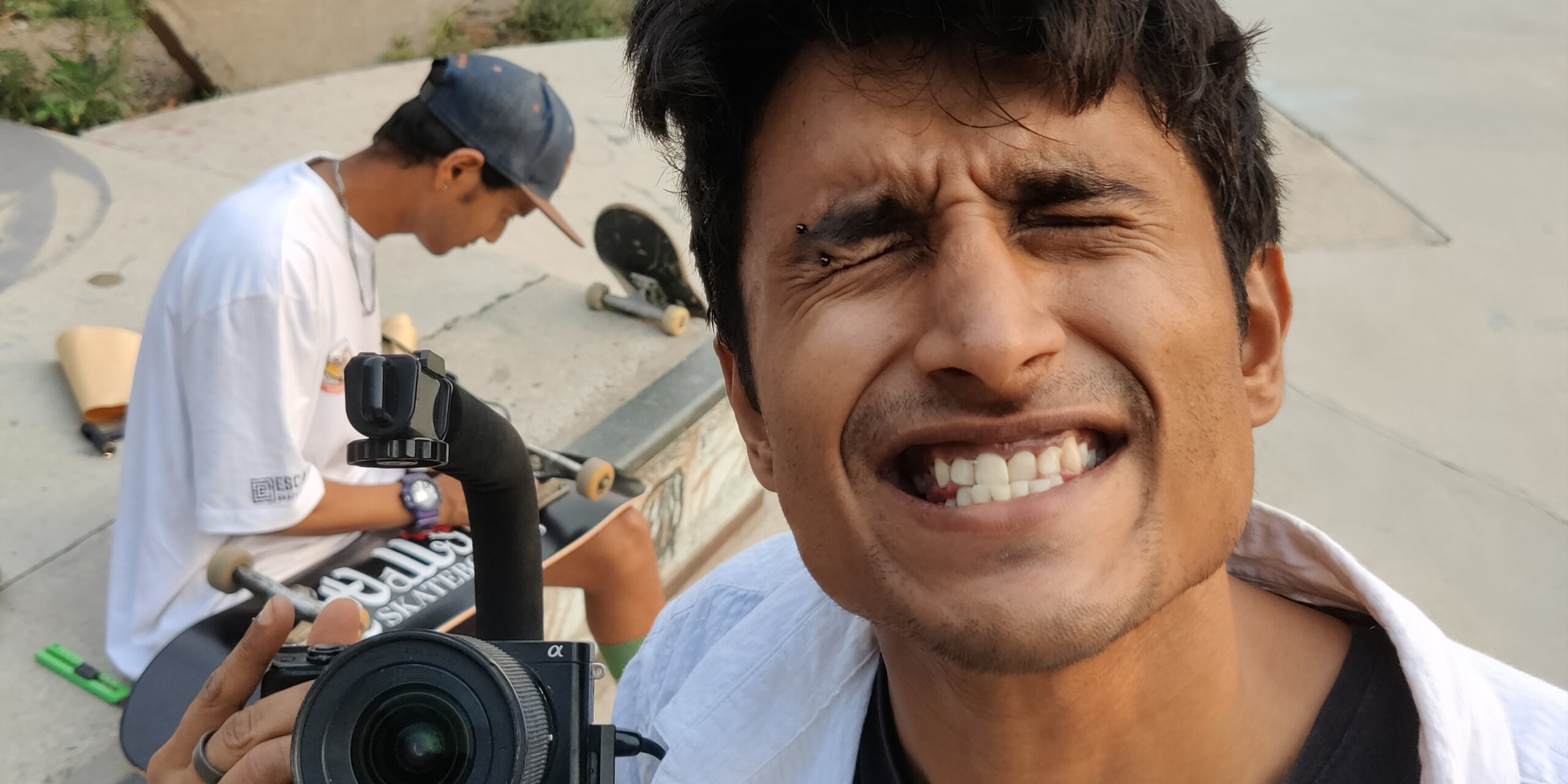
“I never planned to be a visual storyteller,” Omair admits. The journey began organically. He was a kid taking photos on his brother’s phone. He was a teenager who fell in love with skateboarding, a culture so intertwined with video that making a “video part” is like a musician releasing an album. This concept of a video part—a 4 to 12-minute compilation of a skater’s hardest tricks and gnarliest spots, filmed over months or even years—became his film school.
Skateboarding taught him everything. It taught him patience. “Sometimes just to get a 10-second clip, you have to battle out for like four hours, sometimes days,” he explains. It sharpened his senses, teaching him to see the world in frames, lines, and potential spots. Most importantly, it gave him a community and a way into the stories he was meant to tell.
“Reading a lot also helps,” he says. Being a voracious consumer of books has helped him see the world from different perspective. His senses broadened when he became a sponge for information and the evolution slowly trickled down his creative entity.
His process for choosing subjects remains as intuitive today as it was then. “It just needs to fascinate me,” he says. It doesn’t have to be an adventure sport. It could be music, art, or just an individual with a spark. If it makes him feel something, he’ll follow it. Luckily, in the small, interconnected underground scenes of India, everyone knows everyone. A fascination can quickly turn into a friendship, and a friendship can turn into a film.
The Responsibility of the Lens
Documenting high-risk subjects, like base jumpers or graffiti artists painting train panels, comes with a unique set of responsibilities. You’re not just an observer; you’re part of the moment’s delicate psychological ecosystem.
“A lot of people who are doing it are scared,” Omair notes. “So if you’re scared too when you’re trying to scare them off, it’s not a good thing to be around.” His role, as he sees it, is to be a source of positive, motivating energy. He trusts the skill of the people he’s filming and encourages them, but he’s also mindful of the line between pushing for a great clip and pushing someone too far. It’s a balance of saying “you got this” while also being ready to say, “we can come back tomorrow.”

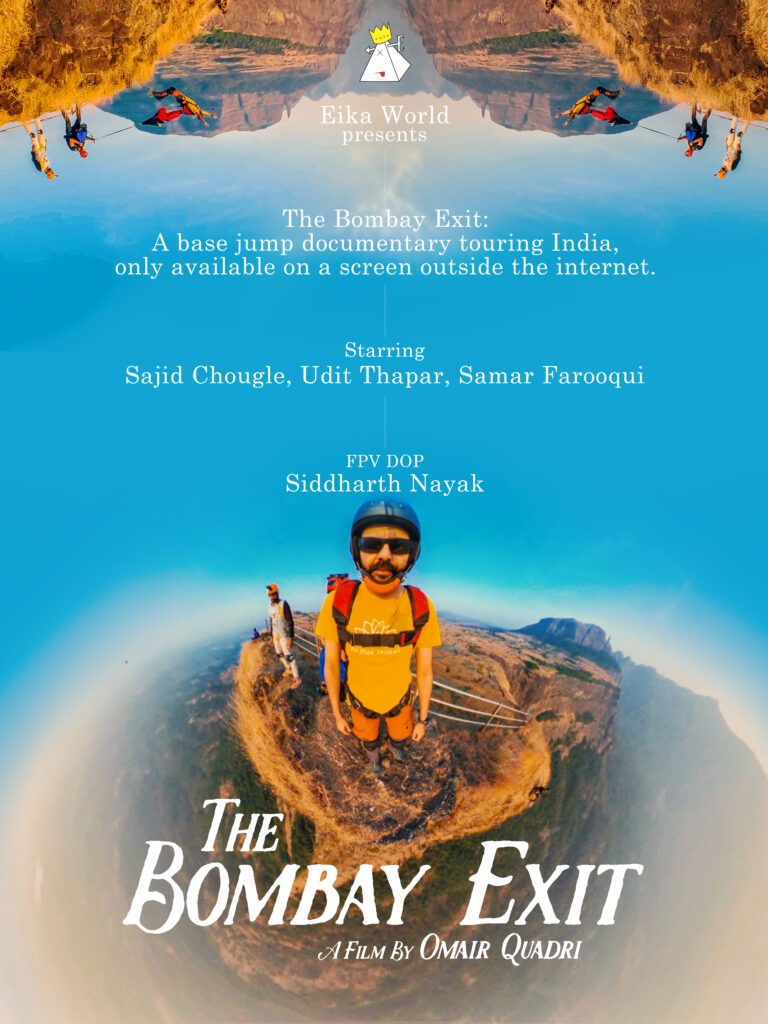
Being a skater himself provides an invaluable bridge of trust. “They know I understand,” he says. He gets the struggle, the repetition, and the physical and mental toll. This shared understanding allows his subjects to feel more comfortable, knowing the person behind the camera isn’t just there for a cool shot but is invested in the culture and the process.
It can be a curse, though. When he’s at a skate session, wanting to skate himself but seeing a friend land a crazy new trick, he has to make a choice. “If you film them, you’re going to lose all your warm-up,” he complains playfully. It’s the eternal dilemma of the participant-observer.
The Evolution of a Craftsman
Over ten years, Omair’s process has both stayed the same and been completely transformed. The core is unchanged: follow the feeling, document what’s real, and have fun. But the craft has become more refined. “My films used to be really crunchy,” he laughs. “Now it’s more polished.”
His projects have also grown in scale and ambition. What used to be films made in a few months, or even a week, are now year-long endeavors. He’s focusing more on creating tangible, offline experiences. His first photobook, a collection of images from 2017 to 2023, is set to release soon. It marks a personal milestone as the first product he’s ever put out for sale under his Eika World brand.
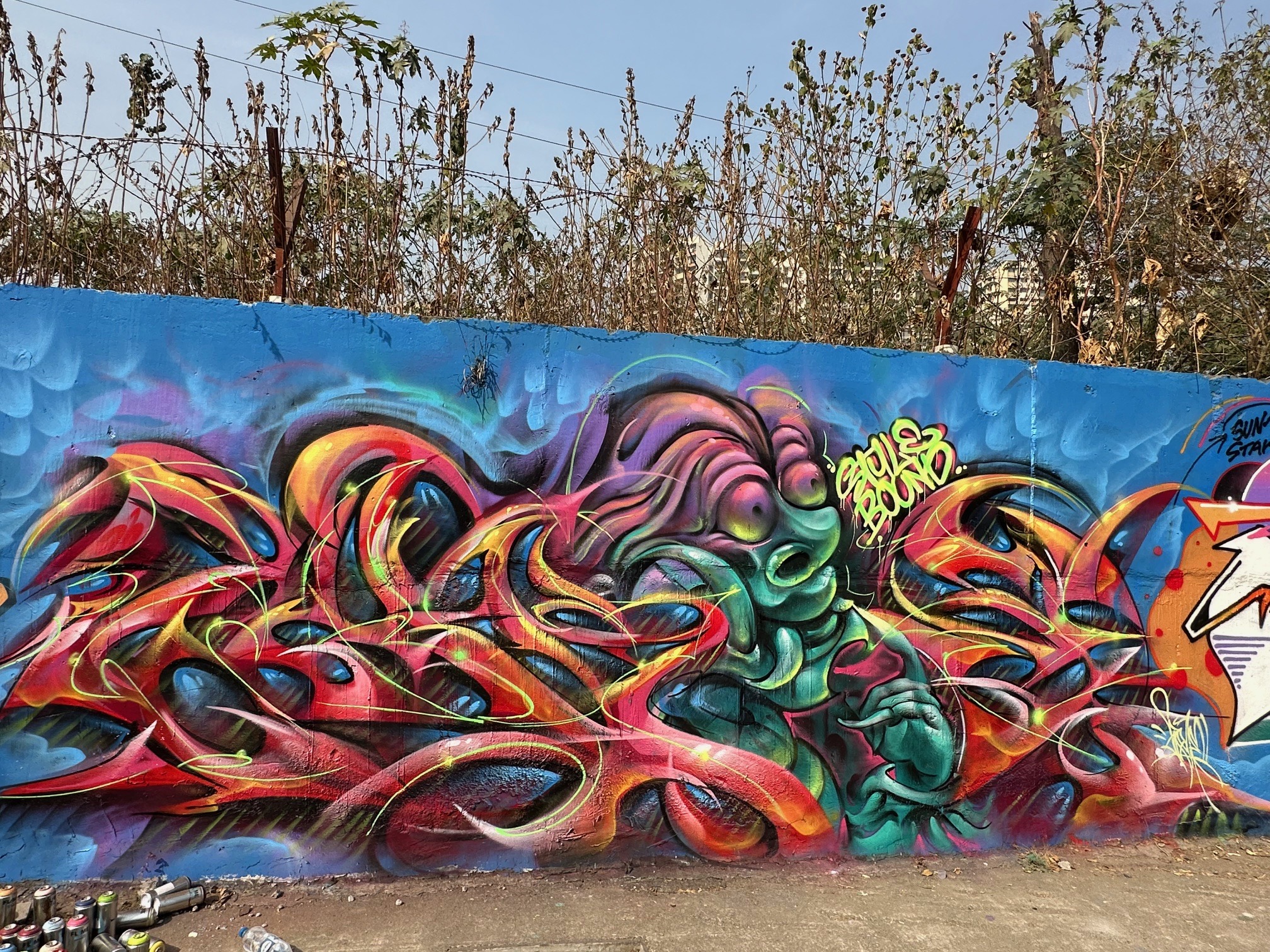
He’s also deep into his first full-length documentary, a project that has taken him on a seven-month tour across India with two of graffiti’s most compelling figures, EPOC and KOMA.

“Watching them work is just like magic,” he says, his voice filled with genuine awe. “They move with such confidence and authority with their tools… they create such beautiful masterpieces. It fascinates me so much.” He believes this graffiti documentary is his best work yet, a culmination of his love for documenting artists who are masters of their craft. “It started with a quite a hectic and wild india tour for 7-8 months and now we are more thoughtful of the missions. We might film it for another year.” he concludes.
How does he know when a project is truly finished? “You know it in your heart,” he says. But that doesn’t stop him from making “way too many versions” of everything. He might finish a blueprint for a book or a film quickly, but then spend a year tweaking it, creating 20 or 30 different iterations until it feels undeniably right. “One night you’re like, ‘bro, this is it. This is fucking amazing.’ Next morning you’re like, ‘ah, no.'”
This obsessive, joyful process of building a story piece by piece is his favorite part. It’s where the magic happens. Omair’s journey is a powerful reminder that you don’t need a five-year plan to build a meaningful life. Sometimes, all you need to do is pick up a camera, find something you love, and follow the fun.
Follow Eika World on Instagram
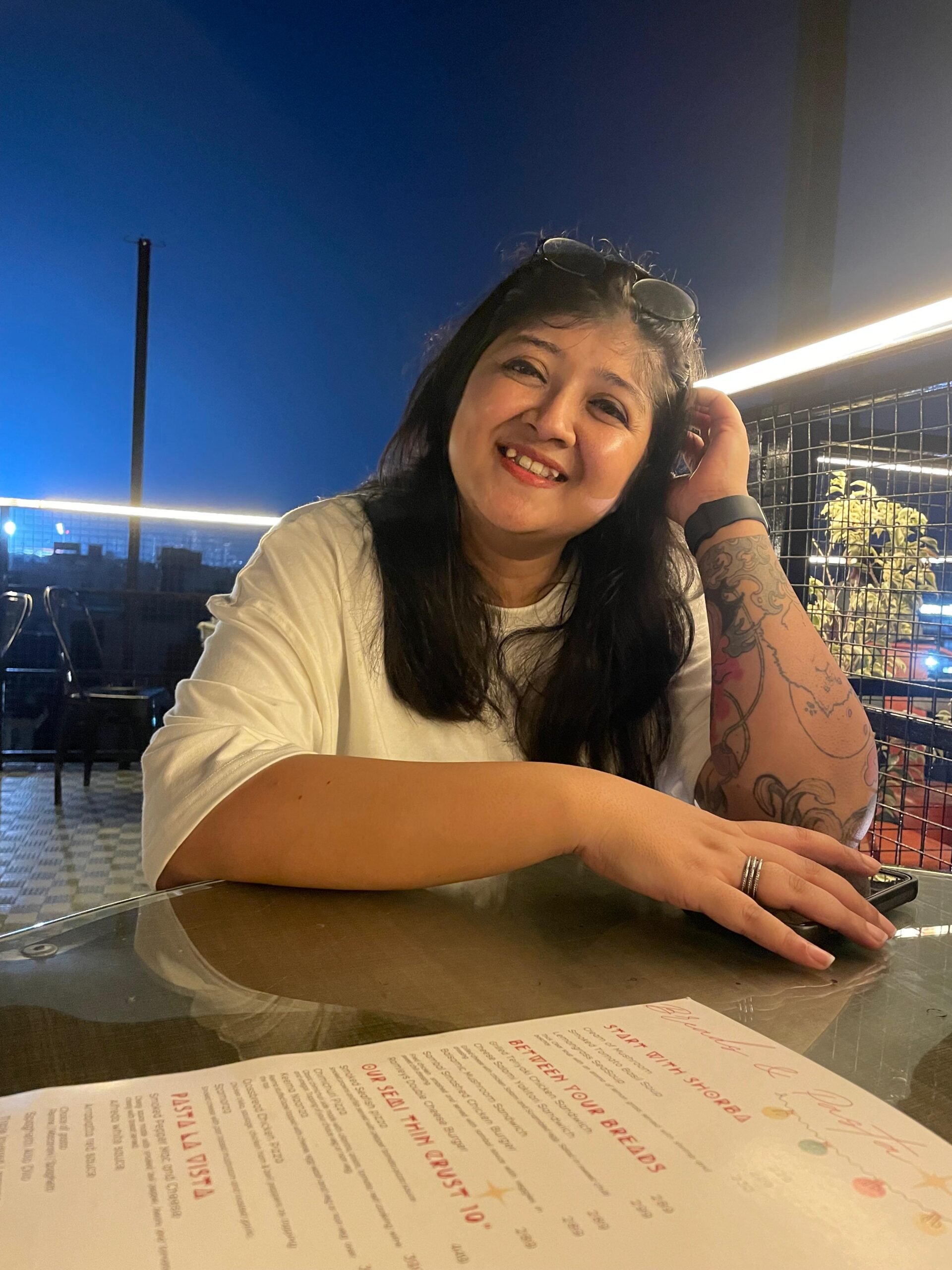
Oeshi B Lyndem is a visual artist, tattoo artist, graphic designer, and entrepreneur with a foundation in graffiti and street culture. Rooted in hands-on craft and making, her practice moves fluidly across illustration, street art, design, and experimental creative processes. With lineage from Shillong—often regarded as India’s rock capital—she carries a distinct cultural influence into her work. At Goofy Owl, she curates and leads the street and hip-hop culture segment through an intuitive, deeply creative, and entrepreneurial lens.