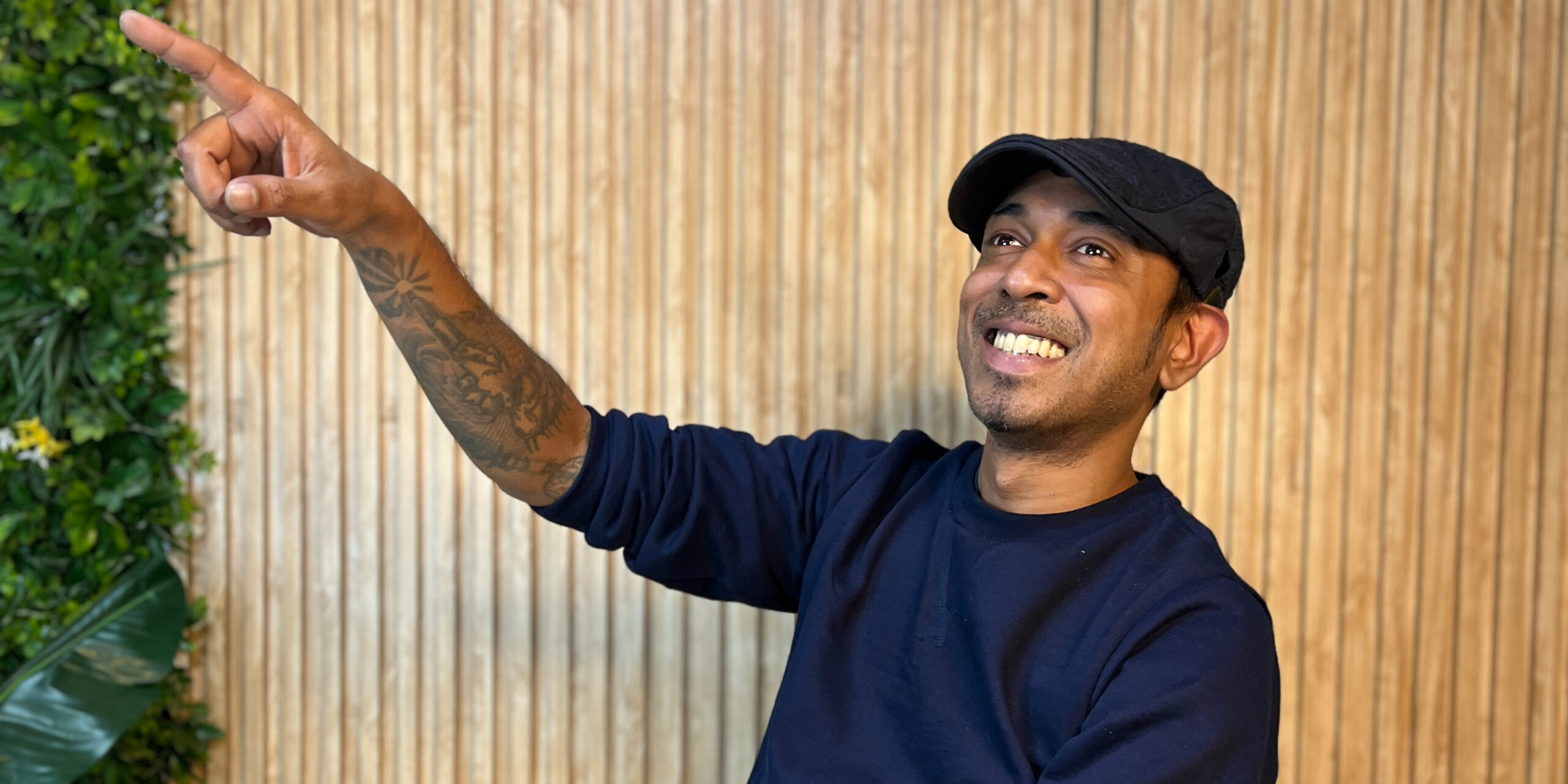
Tattoos used to be the mark of the outcast. A middle finger to the mainstream. A quiet rebellion etched into skin. If you walked into a tattoo studio fifteen years ago, you weren’t looking for a sterile, Pinterest-perfect experience. You were looking for something real.
Deep Kundu remembers those days vividly. He remembers the grit, the limited resources, and the burning question that haunted every aspiring artist back then: “Who in their right mind would let a scratcher like me near their skin?”
But they came. The brave souls, the misfits, the people who needed to feel something permanent in a temporary world. “The people who chose us were truly brave,” Deep reflects. “The conversations were real, and the fulfillment was unparalleled. My life suddenly had purpose. I was building an identity.”
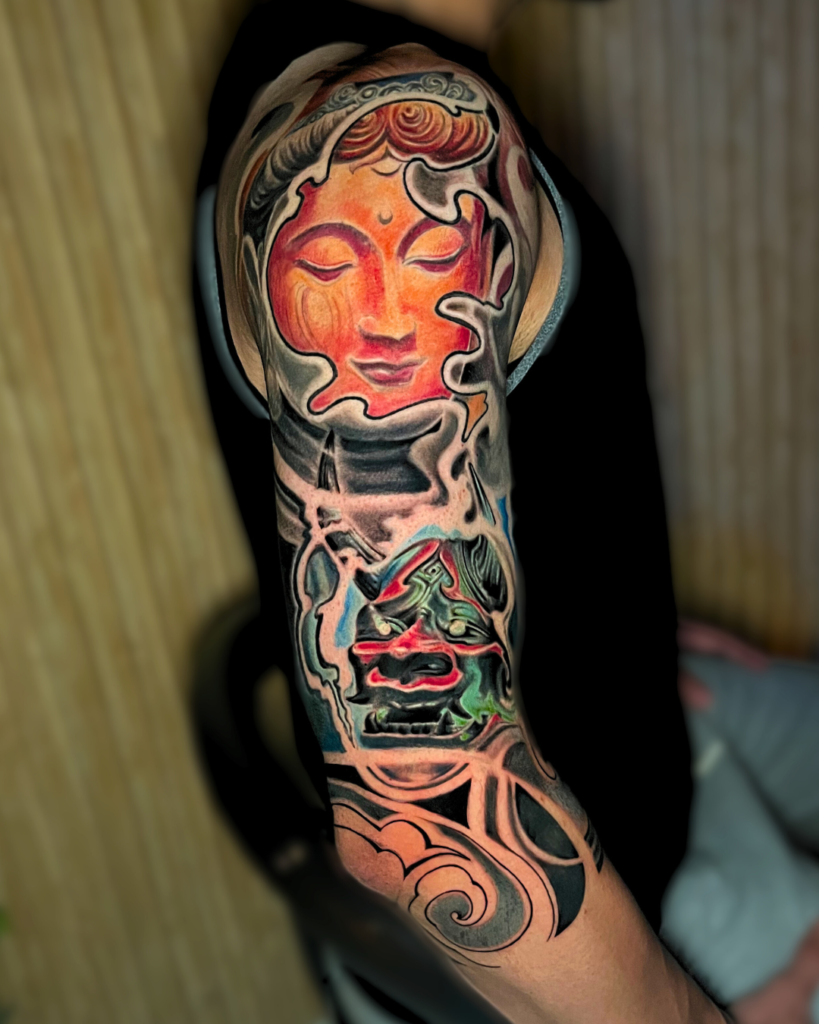
For Deep, that was the moment of no return. The needle dropped, and the ink started flowing. But his journey wasn’t just about learning how to draw lines on a body; it was about understanding the profound connection between art, science, and the human soul.
From Microbiology to Micro-Pigmentation
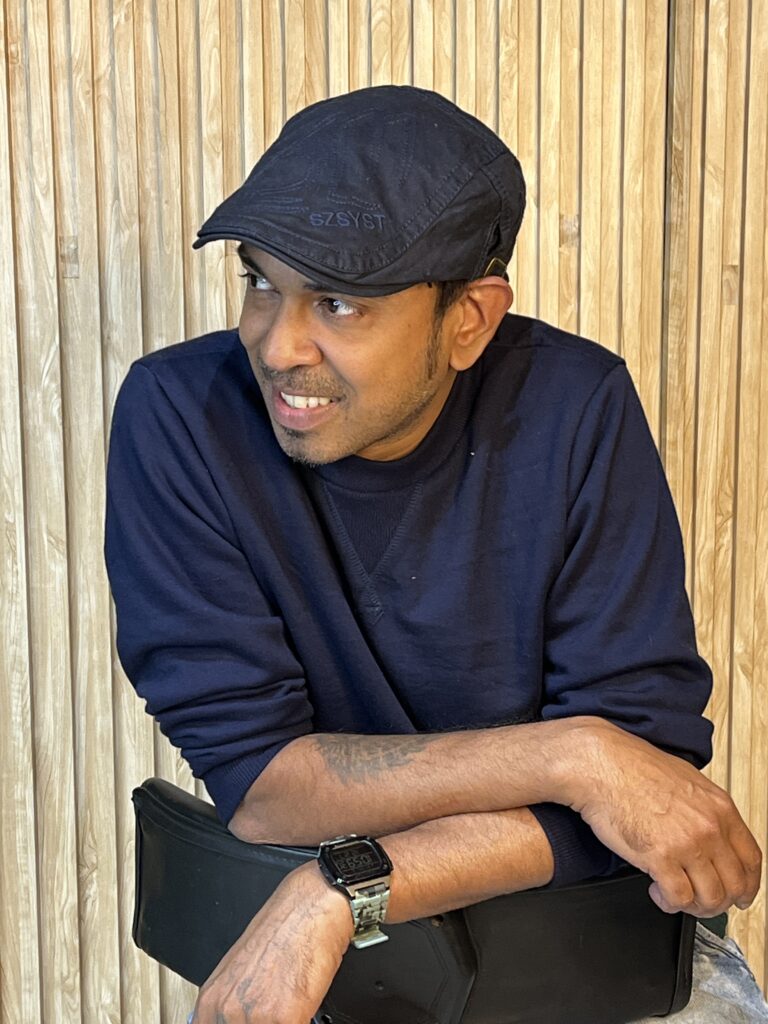
Deep isn’t your typical tattoo artist. He didn’t just stumble out of art school with a sketchbook. His background is a fascinating cocktail of microbiology, professional dance, and digital animation.
It sounds like a chaotic mix, but Deep sees the pattern. “Microbiology helped me decipher the need for proactive sanitization,” he explains. It taught him the invisible dangers of the trade—likely infections and how to prevent them. It brought a scientific rigor to an artistic chaos.
Then came the dance. Years of hip-hop and freestyle didn’t just teach him rhythm; they taught him flow state. In tattooing, just like in dance, you can’t overthink the movement. You have to feel it.
“Learning animation sharpened my knack for storytelling,” he adds, “and graphic design forced me to look for simplicity.”
Deep lives by a Bruce Lee quote that hangs heavy in his philosophy: “Knowing is not enough, we must apply. Willing is not enough, we must do.” For him, no knowledge is wasted. Every chapter of his life—the science labs, the dance floors, the design studios—converges at the tip of his tattoo machine.
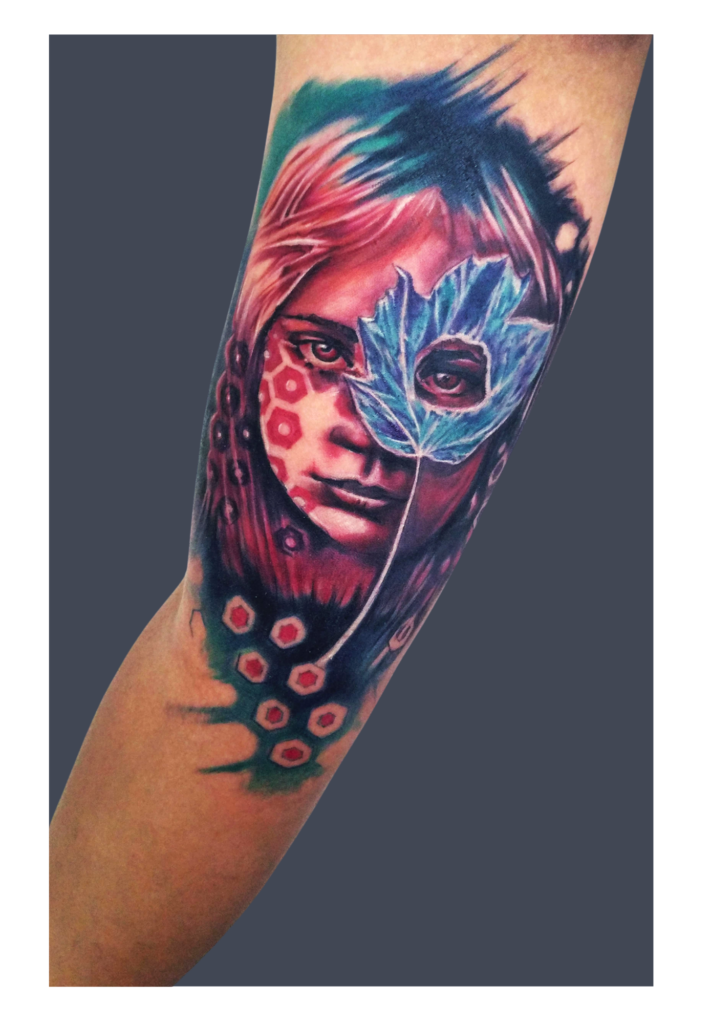
Holding Space for the Soul
In a world where we curate our lives for the ‘gram, vulnerability is rare. But in the tattoo chair, defenses drop. Pain has a funny way of making people honest.
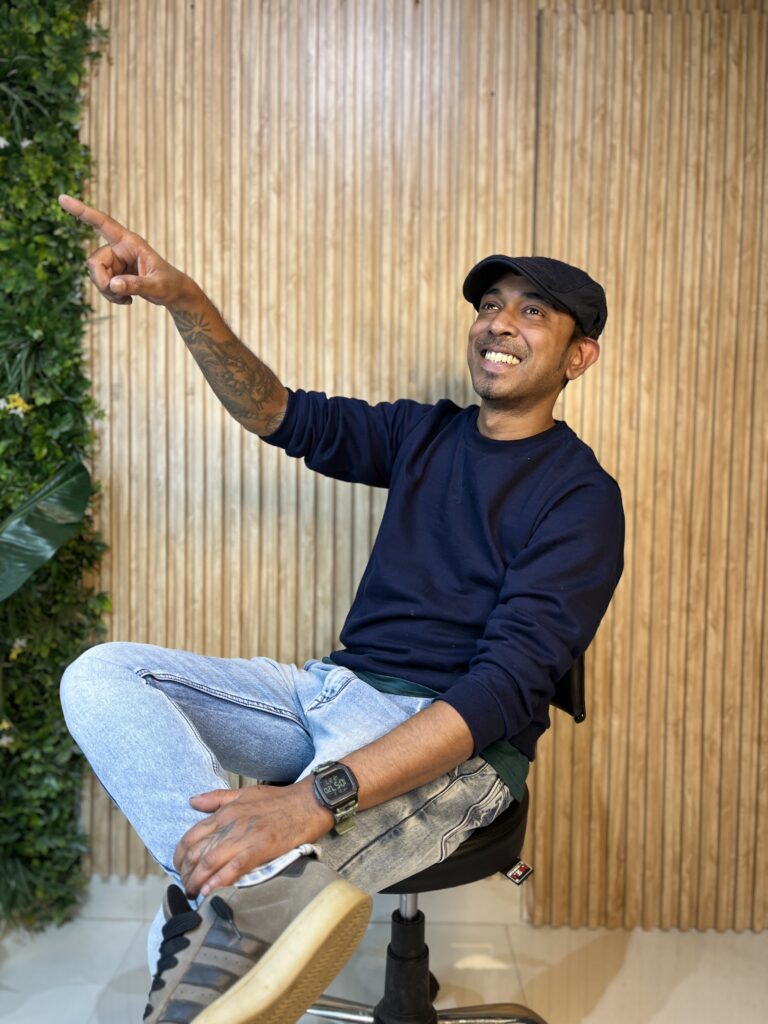
“Respecting a client’s privacy and holding space for them is a high priority,” Deep says. He’s tattooed celebrities and cricketers, navigating tight deadlines and high-pressure environments where designs happen on-the-go. But whether the client is a national icon or a college student getting their first piece, the protocol remains the same: radical honesty and transparency.
“We treat everyone equally,” he insists. “Even if it means we have to pretend not to be star-struck.”
This humility keeps his team grounded. It transforms a transaction into a connection. Deep has realized that people don’t just return for the art; they return for the vibe. They come back for the “collaboration of souls.”
“It’s not just about the meaning behind the tattoo that excites them,” he observes. “It’s the set and setting that dictates how they feel about carrying that piece of art on their body.”
The Future is Augmented
Deep describes his style as a byproduct of existence. He focuses on how he chooses to exist rather than why. This existential approach makes it hard for him to commit to a single aesthetic. He is an explorer, constantly asking, “What is possible?”
The pandemic in 2020 was a forced reset for the entire world, and for Deep, it was a creative pivot point. While the world locked down, he opened up a new dimension: Augmented Reality (AR).
“I learned how to create AR and Mixed Reality filters to make interactive art,” he shares.
He’s currently working on something that sounds like sci-fi to the uninitiated: interactive tattoos with layers of audio-visual AR filters. Imagine a static tattoo that comes to life when viewed through your phone camera or AR glasses. The ink moves. It speaks. It tells a story that skin alone cannot hold.
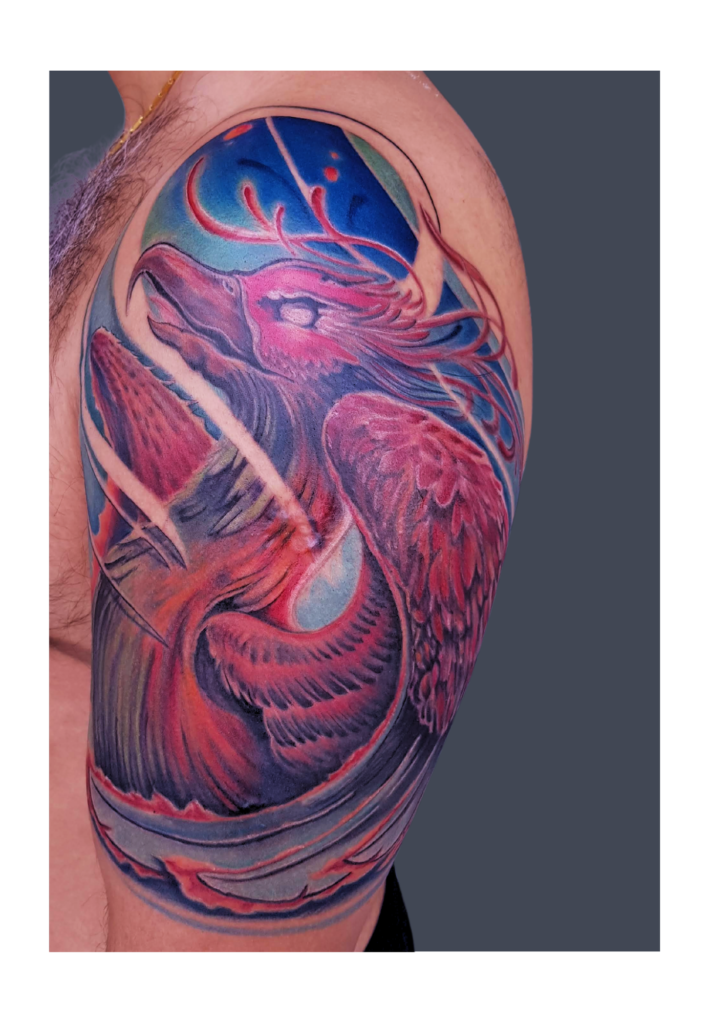
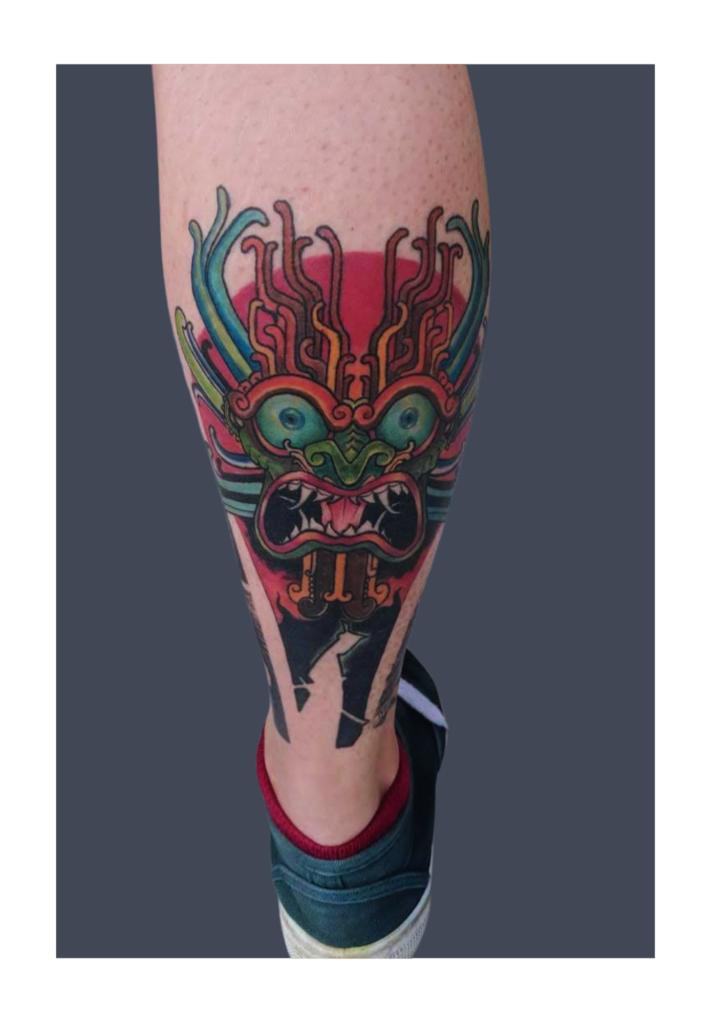
For Deep, this is the natural evolution of storytelling. “The idea is to set a static tattoo imagery into motion,” he says. It’s a bold step into the future, blending ancient tribal practices with cutting-edge tech.
Truth Bombs for the Creative Soul
Deep’s journey is paved with lessons learned the hard way. He credits his mentors, Pradeep Menon and Sameer Patange, for guiding him, but he also has his own set of “truth bombs” for anyone trying to make it in a creative field.
1. Declutter to Create
“A cluttered mind reflects in a cluttered environment and vice versa,” Deep says. When the creative well runs dry, he doesn’t force it. He starts by cleaning his room. He declutters his physical space to make room in his mental space.
2. Seek Discomfort
“Progress over perfection,” he advises. Growth lives in the uncomfortable places. If you aren’t sweating a little, you aren’t learning. Overcoming that discomfort is the only way to level up.
3. Ink Before You Think
We often wait for the perfect moment of inspiration. Deep suggests the opposite. “Start before you’re ready. Build momentum before you seek inspiration. Start small and snowball your way through before your overthinking mind takes over.”
The Business of Art
“How we do one thing is how we do everything.”
Deep believes creativity isn’t limited to the sketchbook. It applies to how you solve problems in business, relationships, and life. As a business owner, he realized he didn’t need to be good at everything.
“I just need to motivate, delegate, and regulate,” he explains. But as an artist? That requires leading by example. It’s a delicate balance between the CEO mindset and the artist’s soul.
He is also deeply committed to education. The tattoo industry in India has exploded from indigenous practices to modern fads in just two decades. With that speed comes a lot of noise and fear.
“Lack of awareness leads to fear,” Deep notes. Since 2019, he has been on a mission to educate the masses, visiting schools and colleges to demystify the art form. His goal? A hive mentality among artists. A synergy where competitors become collaborators.
“A revolution is on its way,” he promises.
Staying Curious in the Age of AI
We live in a world where an AI can generate a tattoo design in seconds. Does that scare Deep? Not really.
“I insist that curiosity should be the driving force behind any artistic endeavor,” he says. The future belongs to those who keep their identity diverse. It belongs to the artists who refuse to be defined by a single skillset.
Deep’s note-to-self is simple: Focus on the PROCESS, not the OUTCOME.
Tattooing gave him a family, a purpose, and an identity. But he knows the industry needs structural support to survive. He dreams of a future where tattooing is recognized as a legitimate industry in the Indian MSME business index. He wants infrastructure that nourishes artists rather than exploiting them.
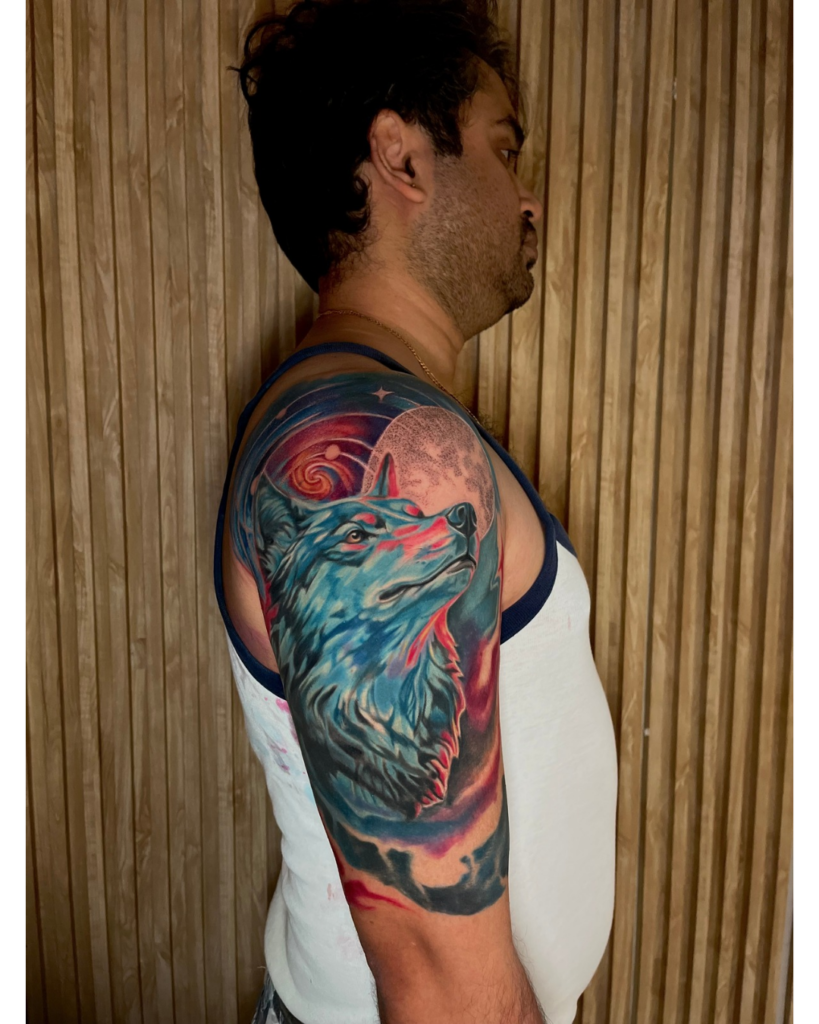
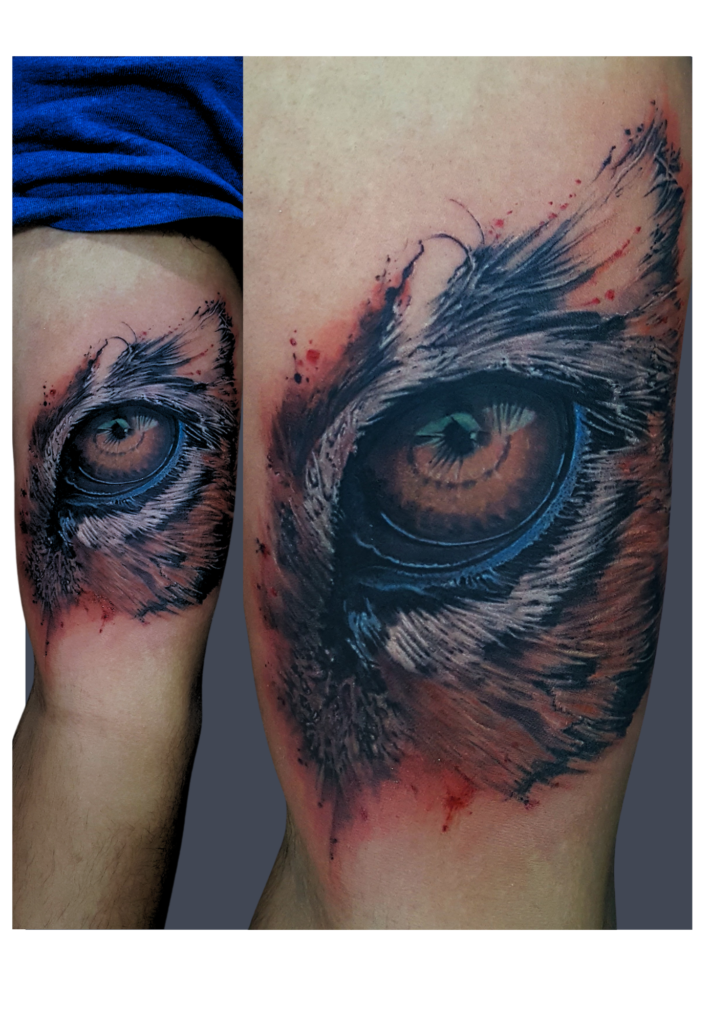
“The future can only look promising if we ask ourselves, ‘What can we do to support one another?’ and act in accordance to this vision,” Deep concludes.
For Deep Kundu, the needle is just the tool. The real art is the connection, the rebellion, and the relentless pursuit of self.
Follow Deep Kundu on Instagram
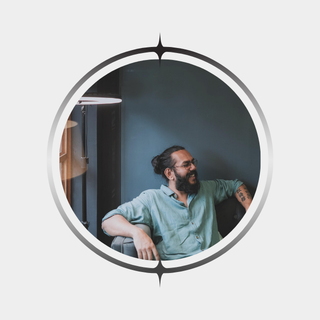
Lubdhak Biswas is a musician, entrepreneur and a tattoo artist based out of Kolkata (India).
He documents underground culture at the crossroads of tattooing and music.
His work focuses on craft, tools, ethics and the real working realities of creative industries.